NXTbets Inc

Author Archives: PressBox

  • Mercedes' hybrid mapping boosts straight-line speed

    Mercedes’ hybrid mapping boosts straight-line speed

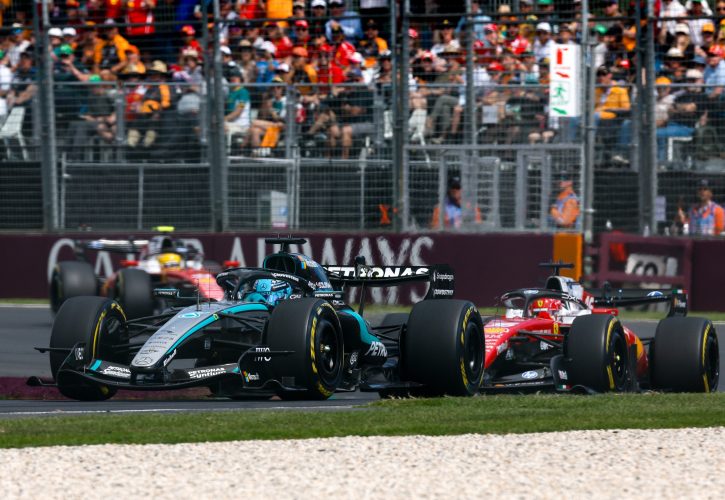
    Mercedes’ one-two in Melbourne was driven as much by a superior 2026 power unit and software as by chassis performance, with team data and lap analysis pointing to more efficient hybrid energy deployment and different engine mappings as the decisive edge.

    The works squad brought a new Mercedes power unit to the Australian Grand Prix and converted a commanding qualifying advantage—roughly seven to eight-tenths over rivals—into race pace; GPS traces and sector analysis showed Mercedes picking up time on the straights, notably the runs to Turns 6 and 9, and using more frequent lower-gear mappings to combine high corner speed with strong straight-line performance.

    Reports also noted the works team had been able to optimize its package during Bahrain testing in ways customer teams were not running, magnifying the on-track gap under the new regulations.

    More
  • Hamilton praises 2026 cars, says Ferrari can catch Mercedes

    Hamilton praises 2026 cars, says Ferrari can catch Mercedes

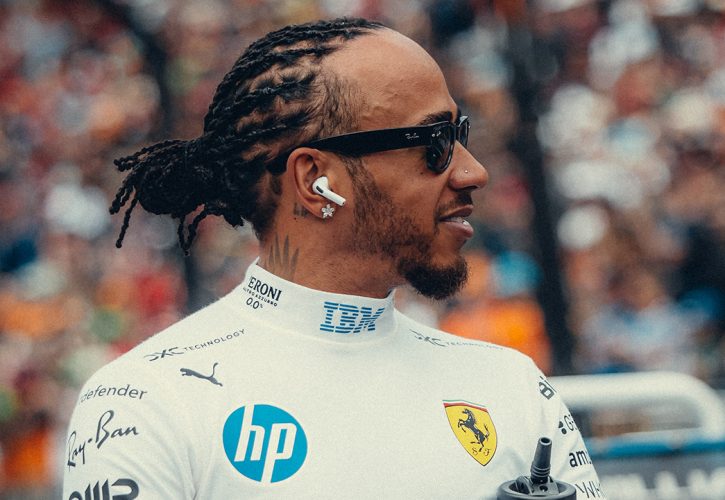
    Lewis Hamilton, the seven-time world champion now driving for Ferrari, said he “loved” the new 2026-spec cars after the Australian Grand Prix in Melbourne, calling them “awesome,” “really fun to drive” and something he “personally loved.” He said the weekend was a positive confirmation that the new cars can deliver exciting racing, praised Ferrari’s cornering performance and highlighted “lots and lots of positives” to carry into the rest of the season. Hamilton also noted that drivers’ views on the new machinery can vary depending on where they were running in the race, a likely reference to criticism from rivals such as Max Verstappen and Lando Norris.

    Hamilton used his post-race remarks to assess Ferrari’s competitiveness against Mercedes and expressed optimism that his team could close the gap. He said Ferrari were “right in the fight” with Mercedes and that catching them would take work but was “not impossible.” On race day Mercedes produced the quicker car — George Russell won as Mercedes completed a one-two — and Hamilton acknowledged a straight-line speed deficit for Ferrari versus the Mercedes W17 while saying the two marques were largely comparable through the corners.

    Hamilton started seventh, ran as high as third and finished fourth, as close as he has been to a podium with Ferrari in 25 attempts; he told Carlo Santi “a couple more laps and I would have had Charles,” though other calculations suggested another five laps would likely have secured third. Ferrari plans upgrades to close the straight-line speed gap, and team figures defended their strategy after a virtual safety car and a pit-stop call that the team calculated cost them about 13 seconds in Melbourne.

    More
  • Lilley to meet Gary Fox for BKFC UK featherweight crown

    Lilley to meet Gary Fox for BKFC UK featherweight crown

    James “Lights Out” Lilley said he is “like a kid waiting for Christmas” as he prepares for what he called a “pivotal” matchup in his bid to become the first Welsh BKFC World Champion. He described himself as humbled to be counted among the U.K.’s most influential bare-knuckle fighters and expressed optimism about the future for British BKFC competitors.

    Lilley is scheduled to headline the co-main event in Newcastle on March 14 at the Utilita Arena, where he will face Gary Fox for the BKFC U.K. Featherweight Championship in a bout that will be available worldwide on The BKFC App.

    A former BKFC World Title challenger and described as one of the promotion’s most successful U.K.-based fighters, Lilley also helps run Out Loud Arts Collective, a Wales-based nonprofit. He has been presented in one BKFC article principally for his enthusiasm and mindset; that article did not provide opponent, date or venue details while another source did.

    More
  • Mercedes wins at Albert Park, first victory of new F1 era

    Mercedes wins at Albert Park, first victory of new F1 era

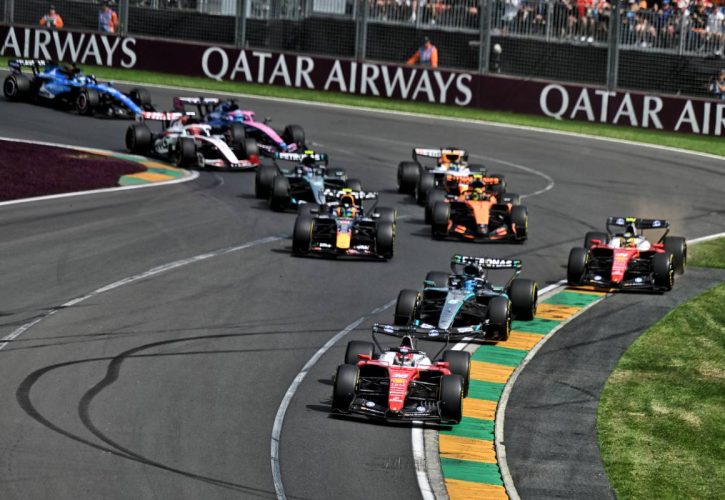
    Mercedes claimed the race win at the 2026 Australian Grand Prix at Albert Park on Sunday — the first victory of Formula 1’s new technical era — and took an early lead in the championship. Ferrari’s Charles Leclerc produced a lightning-fast start and mounted a sustained challenge during the race, while reports noted fans were affected by the absence of a crowd favorite who was deprived of participation before the race began.

    Qualifying on Saturday set the tone when George Russell stormed to a dominant pole position, producing a Mercedes front-row lockout and giving the team momentum and a tactical advantage heading into the race. Practice sessions were more mixed: three different drivers topped Practice 1, 2 and 3, underscoring an unpredictable field, and observers said Mercedes may be better adapted to the new regulations while practice variability left room for rivals to close the gap on race day.

    Photographic galleries and pictorial recaps captured on-track battles, qualifying drama and paddock activity, and a Supercars morning race opened the program and energized the crowd. The event awarded the inaugural trophies of the 2026 championship, with images emphasizing both the significance of the new technical regulations and a strong spectator turnout as the paddock formally moved into the 2026 season.

    More
  • Hadjar faults RBPT-Ford battery for Australian GP retirement

    Hadjar faults RBPT-Ford battery for Australian GP retirement

    Isack Hadjar blamed an RBPT‑Ford power‑unit and battery energy failure for his early retirement from the Australian Grand Prix and publicly urged Red Bull to “do better” on reliability and energy management. He said he could not deploy battery energy during the opening laps under Formula 1’s new power‑unit rules, that the power unit overheated and was emitting smoke from the airbox, and that the engine “sounded terrible” before he stopped on lap 11 or 12.

    Hadjar described the situation as an energy‑management and simulation shortcoming rather than a standalone, routine technical fault, saying the team had not replicated the scenario during testing and calling on Milton Keynes to address both technical and strategic gaps under the new rules.

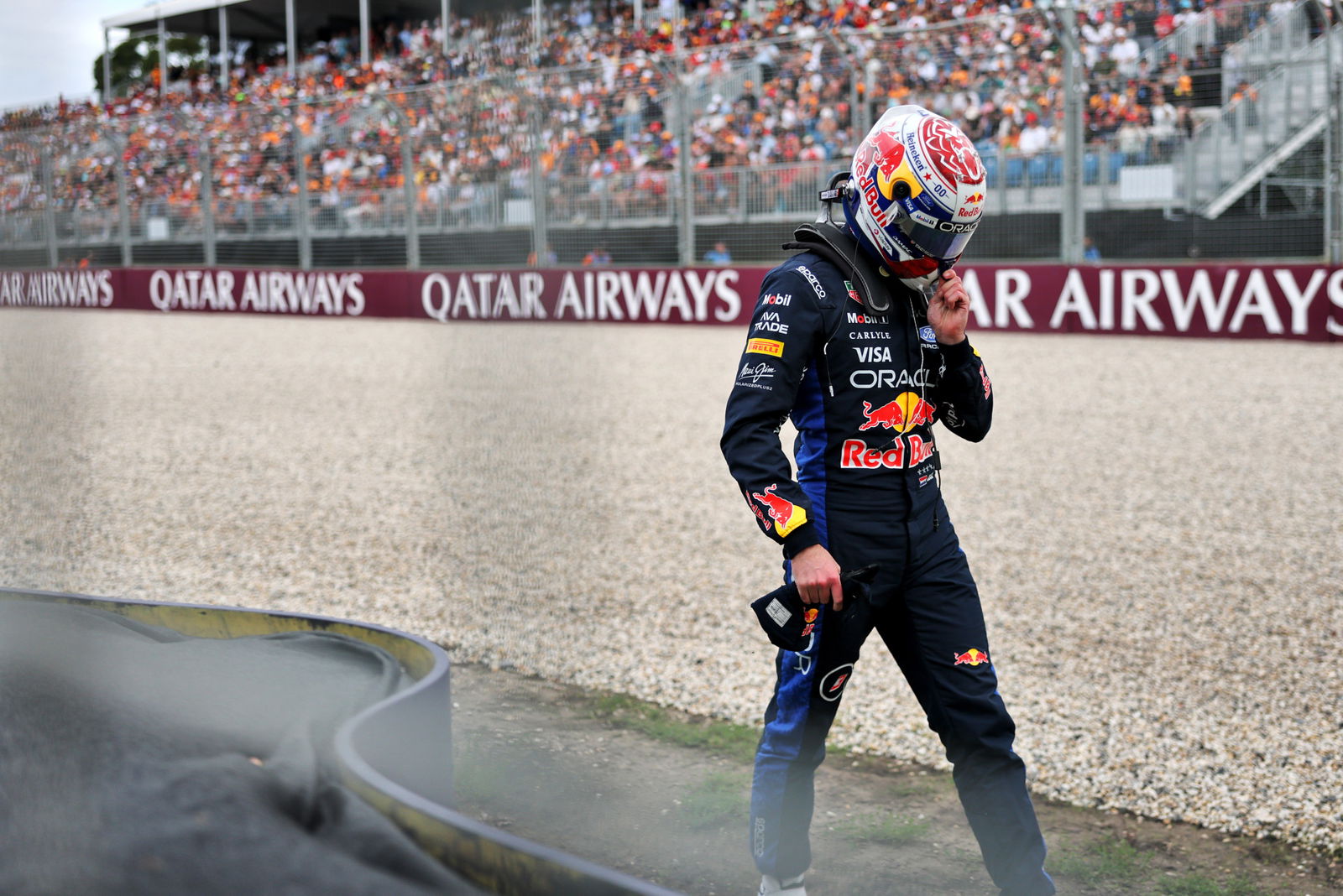
    The failure turned a promising weekend into disappointment for the 21‑year‑old French driver, who had qualified third and launched from P3 to briefly challenge polesitter George Russell. After losing deployable battery power he was overtaken by Charles Leclerc and Lewis Hamilton on the opening lap, later passed by Kimi Antonelli while holding off rookie Arvid Lindblad, and ultimately walked back to the Red Bull garage when the car stopped — visibly frustrated. With Max Verstappen out of the race, Hadjar had been Red Bull’s best hope to salvage points; he said he made “zero” mistakes, pointed to his pace as proof he can compete at the front, and warned the team that better energy management and power‑unit reliability are needed if he is to turn strong qualifying into podiums. Some reports described the weekend as his first race for Red Bull, while others placed it in his sophomore season.

    More
  • AMA Supercross Publishes Indianapolis 250SX, 450SX

    AMA Supercross Publishes Indianapolis 250SX, 450SX

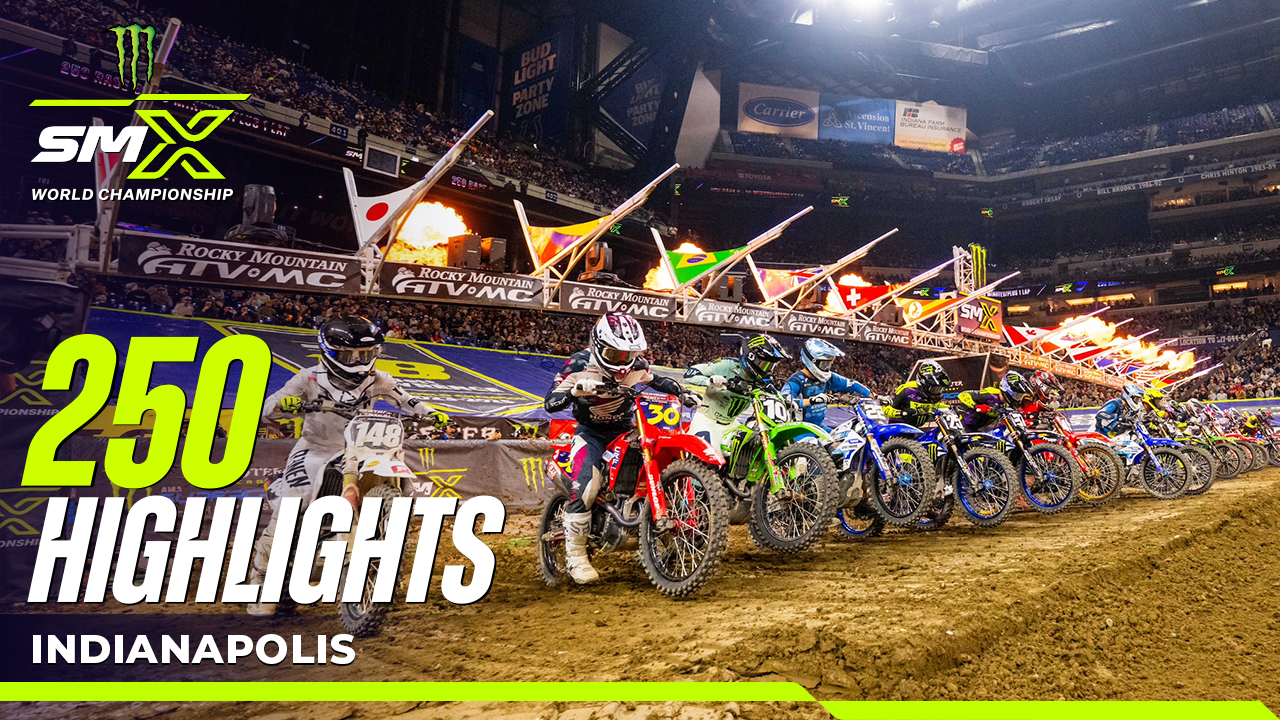
    The AMA Supercross Championship Official published two concise highlights pieces from the Indianapolis round, each focusing on key on‑track moments and pivotal sequences rather than full race reports. Both short recaps emphasize decisive moves and notable action that defined race day.
    The 250SX installment, titled “250SX Highlights | Indianapolis,” centers specifically on the 250SX competition at Indianapolis and offers a brief recap of the race’s main moments and results. The supplied content for that piece does not include rider names, lap details or exact results.
    The 450SX installment, titled “450SX Highlights | Indianapolis,” provides a compact recap of the 450SX class, highlighting notable incidents and on‑track action and likely showcasing highlight clips or a summary of decisive sequences. The supplied description for that piece does not include specific riders, results or incidents and notes that full results, rider quotes or extended analysis are available in the complete article or accompanying video highlights.

    More
  • Verstappen criticizes 2026 F1 package after Q1 crash

    Verstappen criticizes 2026 F1 package after Q1 crash

    After crashing out of Q1 in Melbourne, Max Verstappen criticized Formula 1’s 2026 cars and regulations, saying the “formula is just not correct”, that he was “not having fun” and that “you just don’t want to drive it anymore.” He warned the season could be long unless changes are made and urged the FIA and teams to pursue rule changes during the campaign.

    The 2026 package includes smaller, lighter chassis, reintroduced active aero in place of DRS, deliberately reduced overall downforce, the removal of the MGU-H, a shift of roughly half engine power delivery to the battery, and a move to 100% sustainable fuel. Red Bull acknowledged an immediate lack of pure performance as it adapts to its new Ford-backed 2026 power unit, and teams have flagged broader reliability and energy-management concerns under the new rules.

    The crash occurred in Q1 when Verstappen’s Red Bull snapped sideways under braking into Turn 1 and speared nose-first into the barriers; he said the rear axle “completely locked up” as he downshifted and called the incident “very weird.” Medical staff carried out precautionary X-rays on his hands and cleared him of fractures. Mercedes dominated qualifying, locking out the front row, while Verstappen was left to start 20th — his eighth Q1 elimination since joining F1 in 2015. From the back Verstappen recovered strongly: he started on the hard tire on a two-stop strategy, made up around a dozen places—helped when Oscar Piastri and Nico Hülkenberg failed to start—and finished sixth, just behind Lando Norris. He thanked his team over the radio and called the overtakes “fun” but said he was racing cars “that are two seconds slower” and described the result as “not really a fair fight.” He reported heavy graining on the hard tire that forced a second pit stop, saying the hard compound “somehow didn’t work today.” He also said a drained battery on the formation lap left him with “no power,” contributing to a “terrible” start. Verstappen conceded the deficit was partly “half-car, half-engine” and said it was solvable, while maintaining his broader criticisms of the 2026 technical direction and drivability of the new cars.

    More
  • Lindblad P8 lifts Racing Bulls to best of the rest

    Lindblad P8 lifts Racing Bulls to best of the rest

    Arvid Lindblad produced an eye-catching Formula 1 debut for Racing Bulls at the Australian Grand Prix, scoring points with an eighth-place finish after starting ninth. The 18-year-old, the fourth-youngest debutant in F1 history, reached Q3 in qualifying and briefly rose as high as third on the opening lap before eventually finishing one lap down on race winner George Russell. Lindblad ran competitively throughout the race, spent time battling with Isack Hadjar and Lewis Hamilton, and resisted intense pressure from Max Verstappen — prompting public praise from Martin Brundle. Lindblad credited the “phenomenal job” by Red Bull and Ford and said the result was “a massive step from Bahrain,” moving Racing Bulls into contention as “the best of the rest” behind Mercedes, McLaren, Red Bull and Ferrari.

    The outing also underlined Racing Bulls’ broader improvement: both team cars qualified in the top 10 at Albert Park, with rookie Lindblad ninth and teammate Liam Lawson eighth after Lawson advanced into Q3. Lawson said the qualifying result slightly exceeded expectations following a difficult pre-season in Bahrain and attributed the gain to upgrades introduced in Melbourne and the reliability of the Red Bull–Ford power unit. He assessed the team’s long-run pace as “okay” but warned the new generation of cars continued to pose challenges and that maintaining reliability and work on race trim would be key going forward.

    On the race weekend, Verstappen had crashed in Q1, started 20th and charged back into the top 10, spending much of the race pressuring Lindblad’s VCARB03. Despite finishing behind the leading Mercedes entry, Racing Bulls and Lindblad earned positive notice for an impressive qualifying and race performance that suggested the team has closed the gap and can contend for strong results as the season progresses.

    More
  • Russell converts pole; Mercedes pull clear in Australia

    Russell converts pole; Mercedes pull clear in Australia

    George Russell converted pole into victory at the season-opening Australian Grand Prix at Albert Park as Mercedes’ superior race pace and clean energy management allowed the team to pull clear. Mercedes executed pit calls and fresher rubber to secure a one-two, with teammate Kimi Antonelli second, while Charles Leclerc finished third and Lewis Hamilton fourth.

    The result was decided in part by a Virtual Safety Car (VSC) strategy error by Ferrari. The VSC was brought out when Isack Hadjar’s stricken car forced retirement, and Mercedes double‑stacked to pit both cars; Ferrari elected to stay out and later missed a second VSC opportunity when Valtteri Bottas stopped near the pit entry and the lane was closed on lap 19. Ferrari’s decision to keep Charles Leclerc and Lewis Hamilton out during the early VSC left them on older tyres, and Lewis Hamilton said the call cost him a likely podium. The sequence of VSC-related decisions was widely criticized; Ferrari team principal Fred Vasseur defended the strategy and said he had “no regrets,” insisting the underlying shortfall was outright pace rather than tactics.

    The result underlined how large Mercedes’ advantage appeared across the weekend: Russell had been almost eight-tenths quicker in qualifying, and Leclerc said he was shocked by Mercedes’ FP3 and qualifying data and conceded the Silver Arrows had “a bit more pace” on race day. Ferrari’s weekend had also been hampered by energy-deployment issues in Q2 that left their cars unoptimized for Q3, while teams noted that battery state, energy management and revised engine modes played a major role in the chaotic opening laps under the new regulations. Attention now turns to the Chinese Grand Prix next weekend as Ferrari looks to regroup.

    More