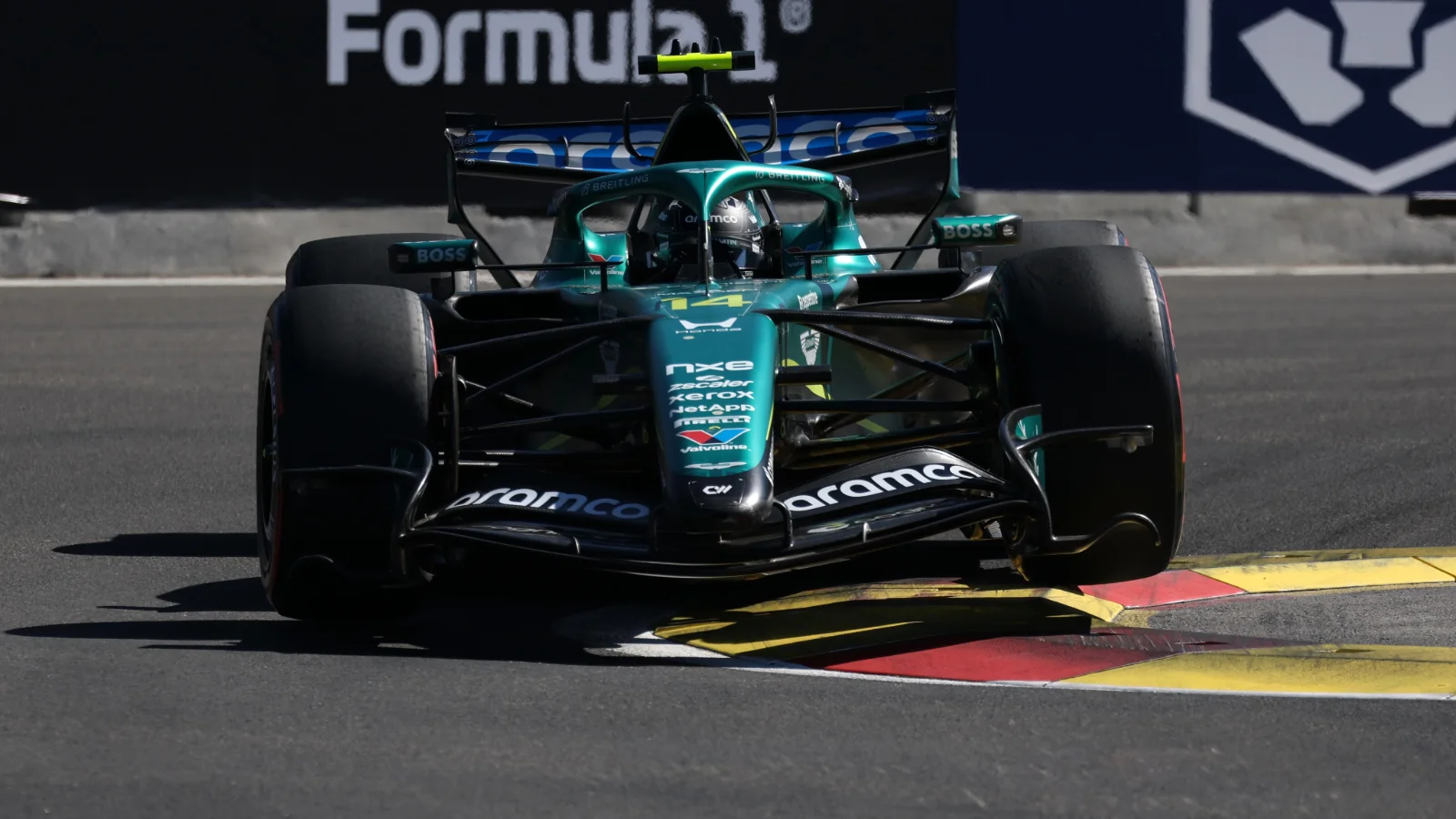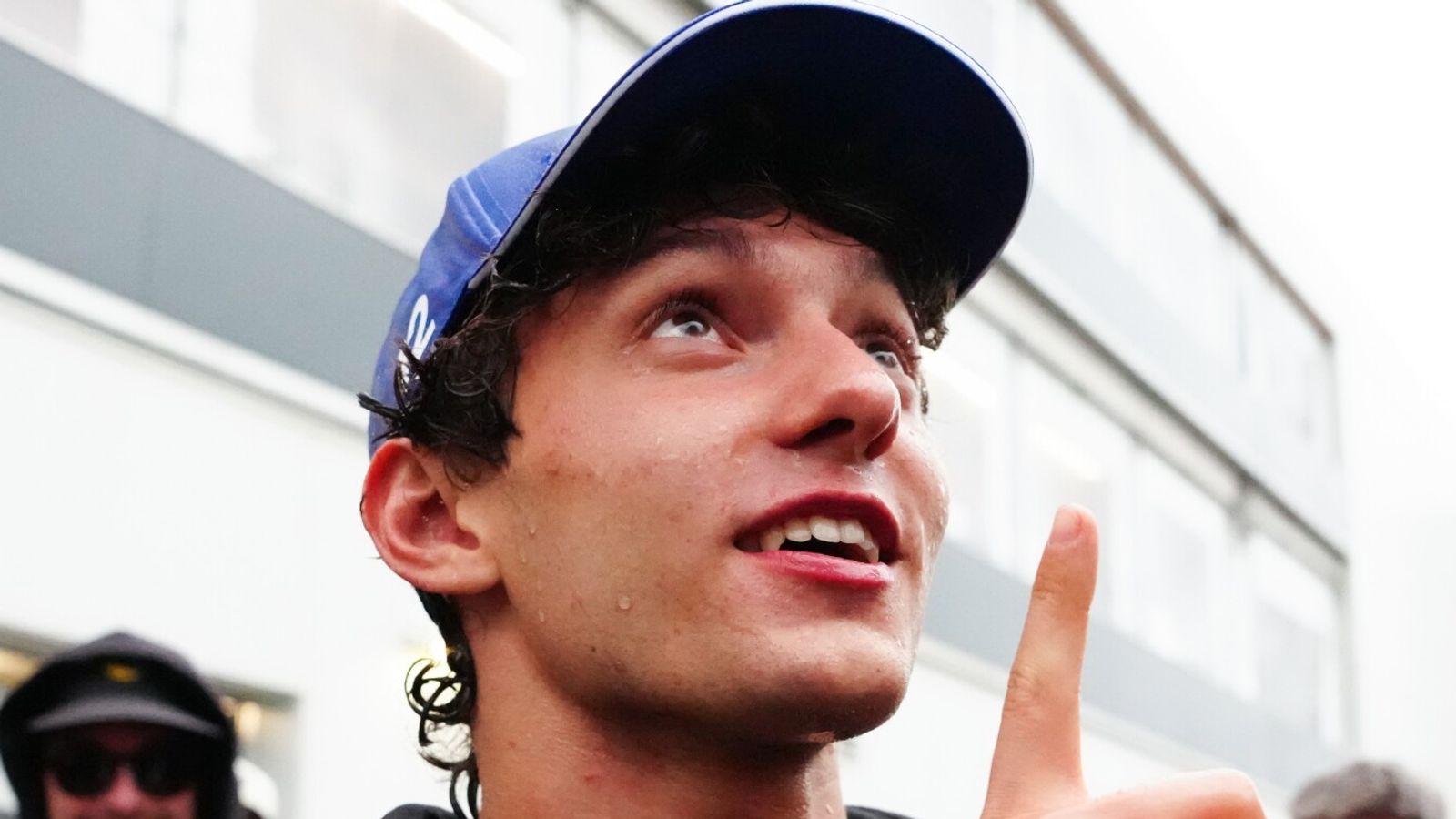
Red Bull’s 2026 car showed encouraging pace during the Barcelona shakedown, but the test week was disrupted when Isack Hadjar, who topped day one, crashed at the end of day two. The incident forced the team to fly spare parts in from Milton Keynes, sidelining their schedule for Wednesday and Thursday. Max Verstappen was kept off the track until Friday, but Red Bull still completed 185 laps across the opening two days, while sister team Racing Bulls logged 319.
The primary objective of the preliminary test, which verified the reliability of Red Bull’s first-ever power unit, the DM-01, was achieved, with the engine running reliably in both Red Bull’s and customer Racing Bulls vehicles. Team principal Laurent Mekies said the power unit had “surpassed expectations” and provided a usable baseline, while Sky Sports commentator Karun Chandhok noted that chassis and power unit appeared well-matched during initial running. The DM-01, developed in collaboration with Ford and named in honor of late co-founder Dietrich Mateschitz, delivered the mileage rivals found impressive and underpinned the optimistic technical readout from Milton Keynes.
Aerodynamically the new car drew praise despite being the first Red Bull design created without Adrian Newey’s direct input after his spring 2024 move to Aston Martin. Technical director Pierre Wache’s group retained Newey-like principles, notably keeping the front wheels as far from the sidepods as possible to reduce tyre wake and adopting push-rod suspension at both ends. That combination of conservative suspension choices and carried-over aerodynamic thinking suggests Red Bull favored a more traditional interpretation of the 2026 regulations. Drivers and commentators described the RB22 as more predictable, with Hadjar saying the 2026 cars “don’t feel too different.” At the same time, former driver Juan Pablo Montoya cautioned that the main risk might lie in electronics and system integration, and drivability and smooth power delivery could reveal “glitches” as engineers optimize the package. Taken together, the shakedown left Red Bull technically strong on the power-unit front and aero development, while flagging integration and drivability work as the next priorities. The crash-related parts logistics were the only notable brake on early progress.
More