Blue-light start, dead batteries disrupt Australian GP
At the season-opening Australian Grand Prix in Melbourne, battery depletion and on-grid energy rules reshaped starts and early strategy. Regulations bar the use of stored electrical energy while a car is stationary and until it reaches 50 kph, and on the formation lap several cars arrived on the grid with severely depleted batteries after struggling to manage deployment. The FIA’s revised blue-light start procedure — a blue flash to signal turbo spin-up followed by the near-instant extinguishing of the five starting lights — produced messy, inconsistent getaways; technical packaging amplified the effect, with teams running larger turbos needing more time to spool and losing more performance when MGU-K assistance was unavailable.
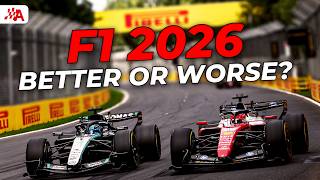
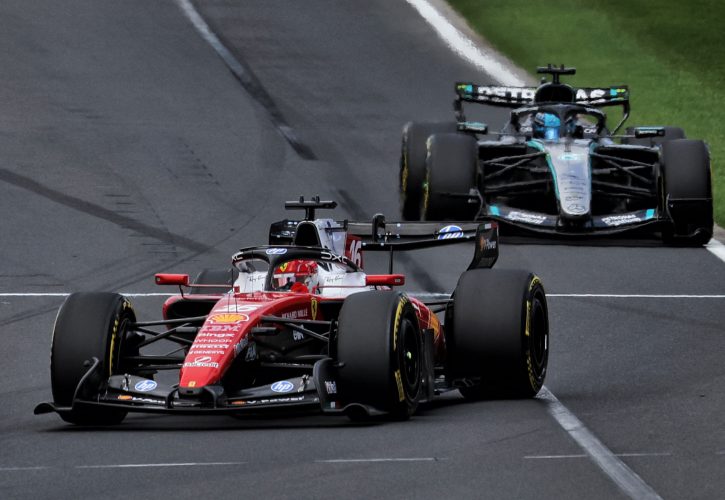
Those differences created large speed gaps and forced evasive moves in the midfield: Franco Colapinto nearly rear-ended Liam Lawson, who had been nearly stationary with a power-unit issue. The new power-unit rules and the Overtake feature immediately influenced on-track battles. Charles Leclerc, who started fourth, surged to the lead despite radioing that his battery was “very, very low” and expecting to fall to P8 or P9; telemetry showed his more aggressive, sustained throttle application gave him almost a 20 km/h advantage over George Russell exiting Turn 1. Engineers coached drivers on lift-and-coast technique, battery deployment and the one-second window required to activate Overtake — race engineer Marcus Dudley announced “Overtake enabled” when the gap reached 0.9s — and both Leclerc and Russell said they were still learning to optimize Overtake and battery use. They traded positions in a tight energy-management duel, with Leclerc noting that being second could be “a big advantage” because it allowed Overtake deployment when following.
Energy considerations also dictated pit calls and the race result. A Virtual Safety Car was triggered by a stopped car — reports differed on whether it followed Valtteri Bottas’s stopped Cadillac or Isack Hadjar’s stricken Red Bull — and the pit lane was briefly closed. Mercedes exploited the window to pit for fresh tires while Ferrari kept Leclerc out; Mercedes’ calls, aided by the VSC, recovered track position and produced a one-two finish for George Russell and teammate Kimi Antonelli, with Leclerc third. The race underlined how start procedures, on-grid battery rules, turbo/gearbox packaging and revised straight-line modes can determine outcomes, and teams and analysts warned these factors were likely to push squads to increasingly “weaponize” electrical-energy strategies as the season progressed.
New Player Signup Bonuses