





Italo Ferreira Defends Three Airs on One Wave After Criticism
NXTbets Pro | Published On: August 12, 2026
Ferreira’s airs
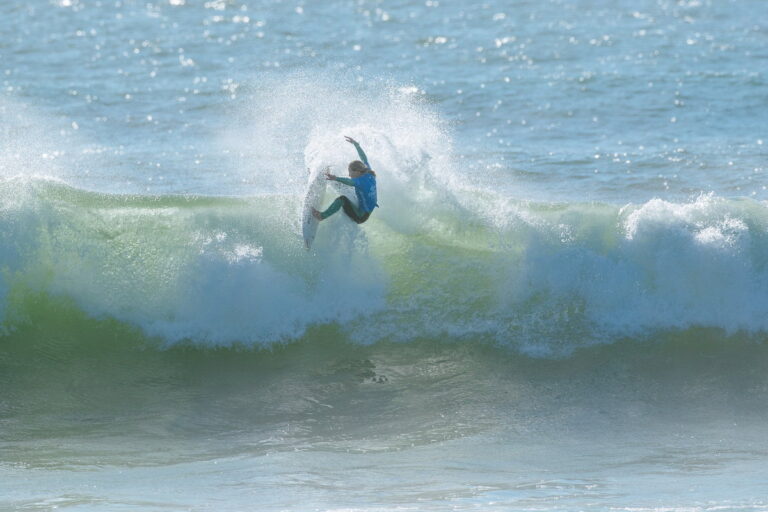
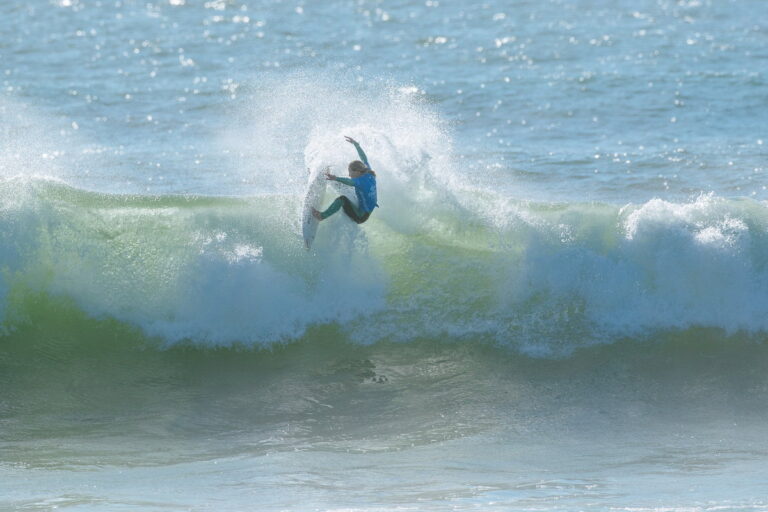
Italo Ferreira defended his aerial-heavy surfing after peers criticized him for doing three nearly identical air reverses on one wave. The Brazilian said the approach fits the way he competes and the way he learned to surf. He pointed to the same kind of scoring that carried him to victory at the inaugural New Zealand Pro Championship Tour event at Raglan earlier this year. One wave there produced a 9.33, and Ferreira used the airs to separate himself in the heat. That result gave him a clear answer to the criticism. He sees the aerial game as a real part of elite surfing, not a stunt to be saved for special moments. Ferreira made that case in a podcast interview with Brazilian surf journalist Guilherme Dorini, where he laid out why he keeps pushing above the lip even when the line through the wave favors rail surfing. His view is straightforward. If a surfer can earn a big score in a short heat, he should take that chance.
Ferreira did not brush off the criticism from Ethan Ewing and Morgan Cibilic, who questioned his surfing at the left point break. He said he understood their viewpoint. He also said their argument does not change his own responsibility in competition. Ferreira framed the issue around time, scoring and what actually wins heats. In his view, the clock matters as much as style. A surfer in a 30-minute heat cannot wait forever for a perfect wave when closing-out sections can still produce a score. Ferreira said that if a rider can land something high-risk and turn it into a number, that is the smarter play than passing on it and hoping for a cleaner setup later. That argument runs through his whole approach. He does not treat airs as a last resort or a distraction from traditional surfing. He treats them as a path to points, and he believes the judges have shown they will reward that kind of surfing when it is done well. The criticism from Ewing and Cibilic, then, becomes part of a wider debate about what counts most in modern competition, clean rail work or the ability to attack sections and turn broken waves into scores.
Ferreira’s style
Ferreira said his aerial style grew out of the conditions where he learned to surf in northeastern Brazil. He described the waves there as windy and messy, the kind that force a surfer to adapt. That background shaped the way he moved across the board and the kinds of maneuvers he trusted. It also gave him a foundation for taking that same approach into some of the sport’s hardest breaks. Ferreira said he later adapted the aerial game to heavy-wave spots such as Pipeline, Teahupo’o and Fiji. That combination matters to his argument. He is not presenting airs as a soft-wave specialty or a move that only works when the ocean is forgiving. He is saying the skill transfers, even when the waves are powerful and demanding. He also said surfers from better-wave regions should learn to perform in difficult conditions, a point that goes beyond his own style and reaches into how surfers are developed. The message is clear. A surfer should learn to handle variety, not just the kind of wave that suits a preferred style. Ferreira’s case for airs, then, is tied to environment, repetition and survival in competition. He learned to improvise in rough water, carried that lesson into the highest level of surfing and now uses it to answer critics who would rather see more traditional rail work. He sees no reason to step away from a winning approach just because it draws resistance from other surfers. For Ferreira, the scorecard decides. If the wave can earn a high number, and if the heat leaves little time to chase perfect lines, he believes the aerial route makes sense.