



Dale Earnhardt Jr. Urges NASCAR to Eliminate Superspeedway Stage Breaks
NXTbets Pro | Published On: November 19, 2026
Stage breaks
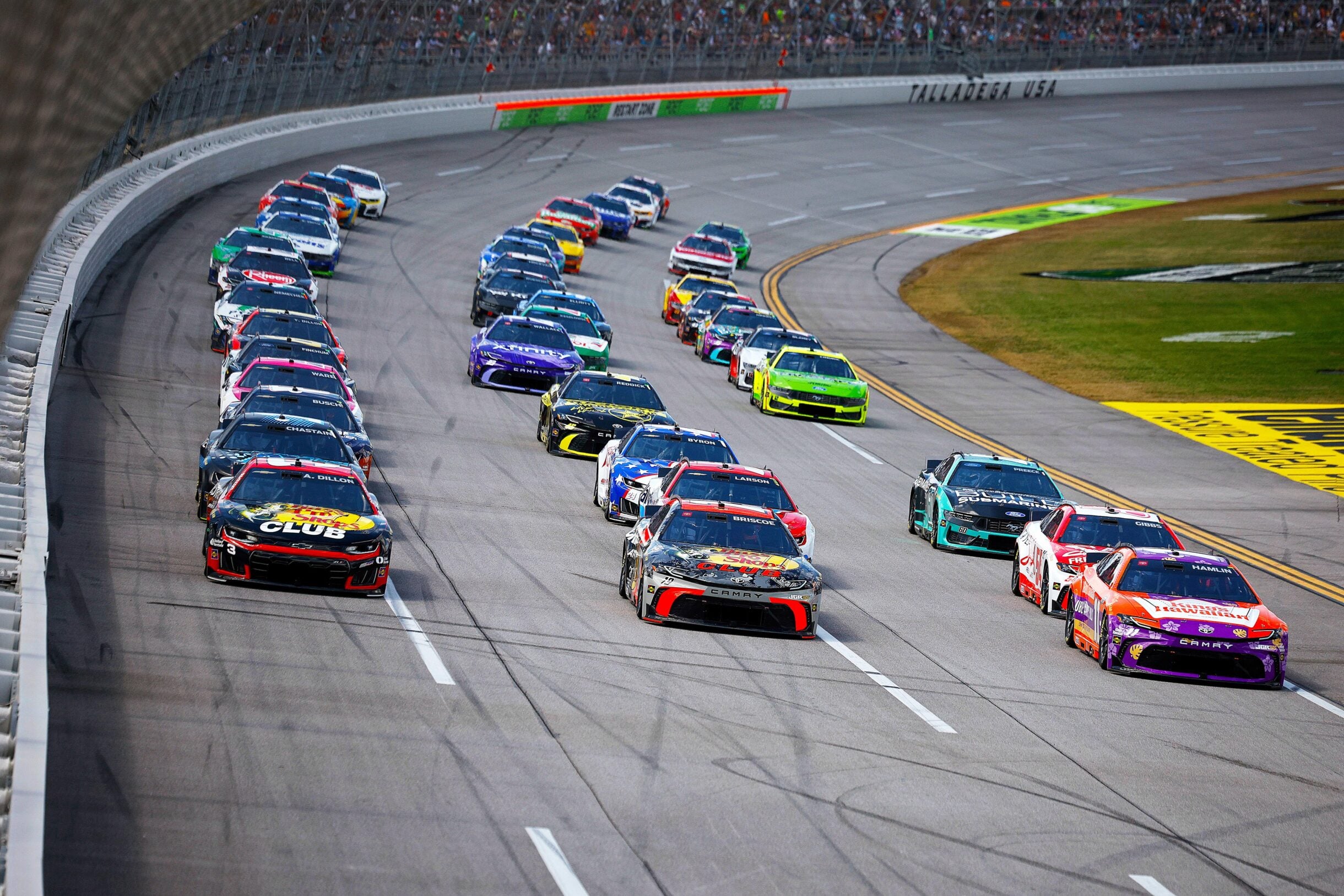
Dale Earnhardt Jr. wanted NASCAR to remove scheduled stage-break cautions at Daytona and Talladega, where he said drafting kept the field close enough to produce action without artificial restarts. Earnhardt argued the stage format did not fit superspeedway racing because cars remained tightly packed, making a caution and restart unnecessary to bring the competition back together. The 2025 Daytona race featured 44 lead changes among 19 drivers, a figure that reflected the frequent movement at the front of the field. Talladega’s April 2025 race had four cautions, two of them scheduled stage breaks. Earnhardt’s position was that those interruptions were not needed to create competition at either track.
Commercial breaks
Earnhardt also questioned the role of television advertising in shaping race format. He said networks should show commercials during green-flag racing rather than rely on scheduled cautions to create predictable breaks. Networks had aired commercials during race broadcasts for about 50 years, he said, and viewers did not need to watch every moment. They could return to coverage after a commercial break. NASCAR introduced stage racing partly to provide built-in advertising windows, add restarts and create competition for stage points. The series was exploring format changes for its O’Reilly and Truck Series, with changes in those divisions potentially reaching the Cup Series later. That review could give NASCAR an opportunity to reconsider how stage breaks served racing and broadcast needs.