



Daytona test could speed Cup qualifying, unsettle traffic
NXTbets Pro | Published On: August 30, 2026
Daytona package
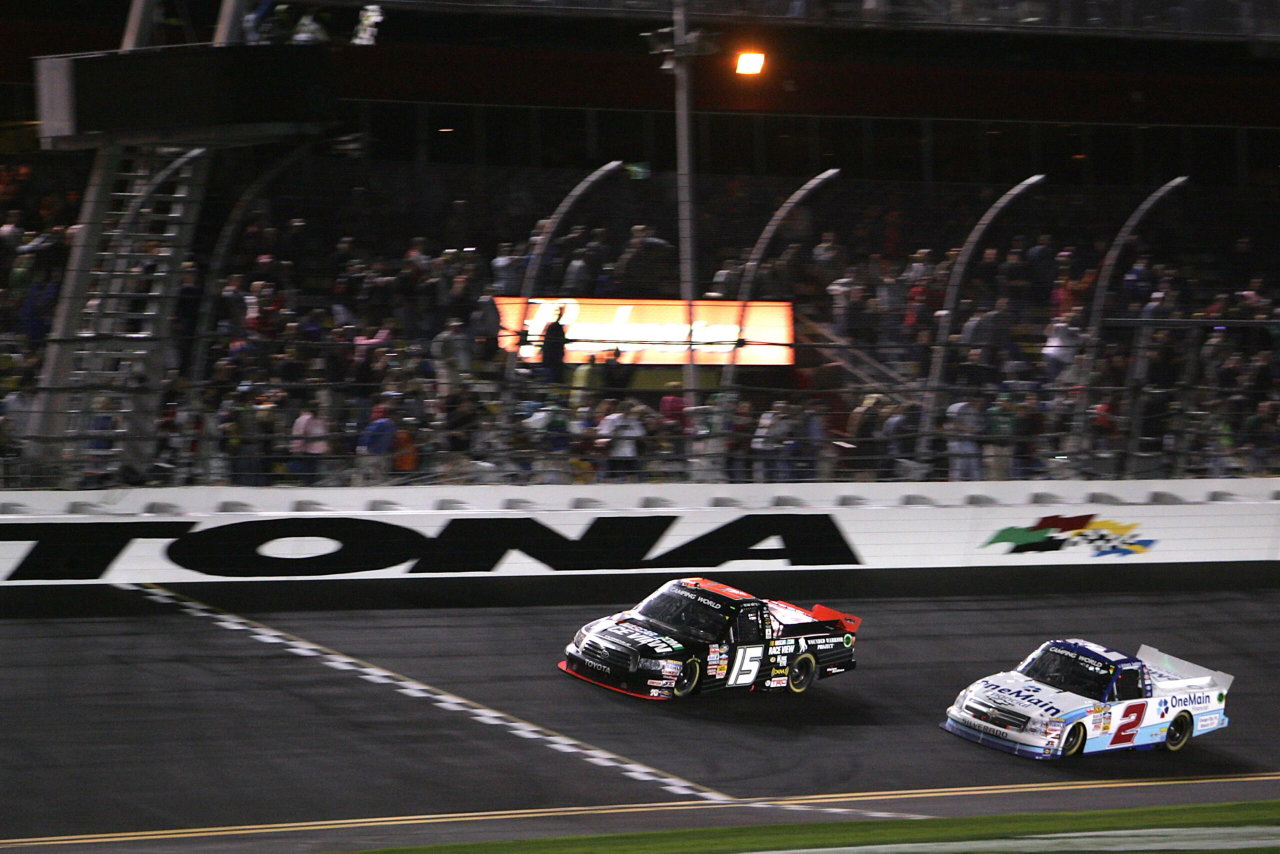
NASCAR will roll out its new Cup Series competition package at Daytona International Speedway’s Coke Zero Sugar 400, the first test for the changes. The package cuts Cup Series horsepower to about 465 from roughly 510 and trims the rear spoiler from seven inches to four. NASCAR designed the lower spoiler to reduce downforce and drag, and the broader goal is to open the racing up and create more passing instead of the kind of fuel-saving pack racing that often defines superspeedway events.
The setup also changes the way teams approach the weekend. There will be no practice sessions, so drivers will go straight to single-car qualifying before the race. That leaves teams with less time to sort through balance and handling changes before they line up for the main event. The new package also gives Daytona a fresh look from the start, with less horsepower and less rear spoiler in play right away. NASCAR expects single-car qualifying speeds to rise by about 3 mph, while pack speeds should stay similar. That mix gives the race a different feel before the field even takes the green flag.
Traffic handling
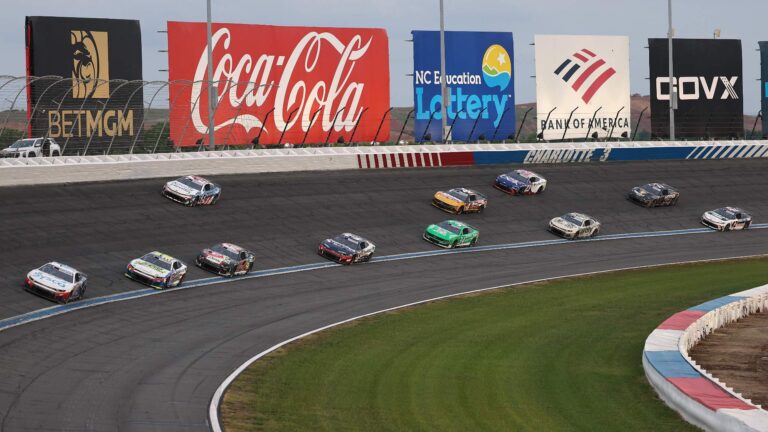
The biggest unknown is how the cars will behave once they are stacked up in traffic. Drivers said they will not know much about that until the green flag falls and they can feel the full effect of the package in the draft. That is where the real test begins, because single-car runs and race conditions can produce very different results. Denny Hamlin, who helped develop the package, said simulations showed a roughly 33% gain in the right direction. He said the changes should alter drafting and handling in traffic, which is the area NASCAR wants to affect most.
Chase Briscoe gave the same basic warning from a different angle. He said the package could make the cars looser, harder to drive and create more issues in traffic. That is the tradeoff NASCAR is chasing at Daytona, where the field runs close together and small changes in drag and downforce can ripple through the pack. The new rules are built to push drivers into more direct racing and less of the conservative fuel management that has shaped many superspeedway finishes. NASCAR wants more passing, but the speed gains in clean air and the unknowns in the draft mean the race could still come down to how well drivers adjust once the cars bunch up.
Austin Hill
Austin Hill brought a different point of view to the discussion because of his record at Daytona. He has four Daytona wins in the NASCAR O’Reilly Auto Parts Series, and that success gives him a strong reference point for how tight racing at the track can get. Hill said the Cup car should race as closely as possible to the O’Reilly car, and he added that nobody will know for sure until the race begins. That keeps the focus where the weekend will end up, on the track and in traffic, not in the simulation room or the qualifying lane.
Hill’s view fits the larger picture around this package. NASCAR changed the cars to cut drag, reduce downforce and encourage more passing, but the real answer will come only after the field runs together under race conditions. The lack of practice makes that test even sharper. Drivers get one run at qualifying, then they move straight into the race with limited track time and limited answers. Daytona often produces close racing already, and the smaller spoiler and reduced horsepower should make the cars react differently in the draft. Hill’s experience at the track suggests the field will learn fast once the race starts, but it also underscores the central truth of the weekend, nobody will know exactly how it plays out until the green flag drops.