



Martinsville bumper package could boost contact damage, drivers say
NXTbets Pro | Published On: November 1, 2026
Martinsville bumper package
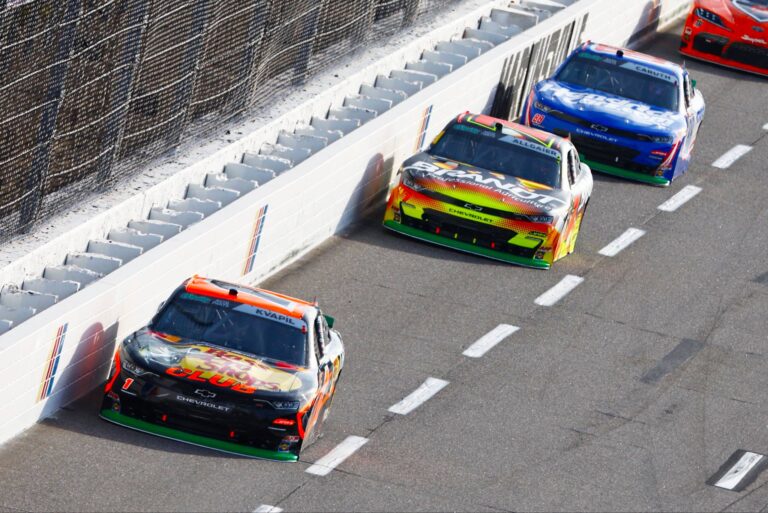
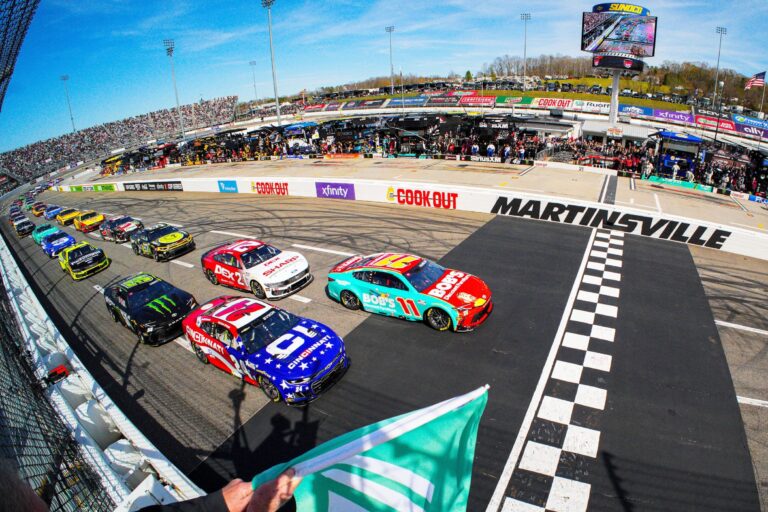
NASCAR’s revised short-track bumper package is getting its final run of the season at Martinsville, and drivers think this could be the first track where it changes the race in a real way. The series removed foam and other energy-absorbing reinforcing parts from the front and rear bumpers for certain short-track events, leaving the cars with a softer setup than they have had in the past. That change has gone largely unnoticed at the other stops where it has been used, but Martinsville’s tight layout and crowded restarts have put it under a brighter spotlight. Drivers say the track leaves little room to pass without contact, which raises the stakes when bumpers meet and cars stack up off the restart. The new package is meant to trim some of the reinforcement from the cars, but in the eyes of several drivers it also raises the chance that a small hit turns into a bigger problem. That makes Martinsville a useful test. It is the last time the package will be used this season, and it comes at a track where the race often turns on position changes in close quarters. If the softer setup matters anywhere, the drivers around the garage believe Martinsville is the place.
Drivers on contact
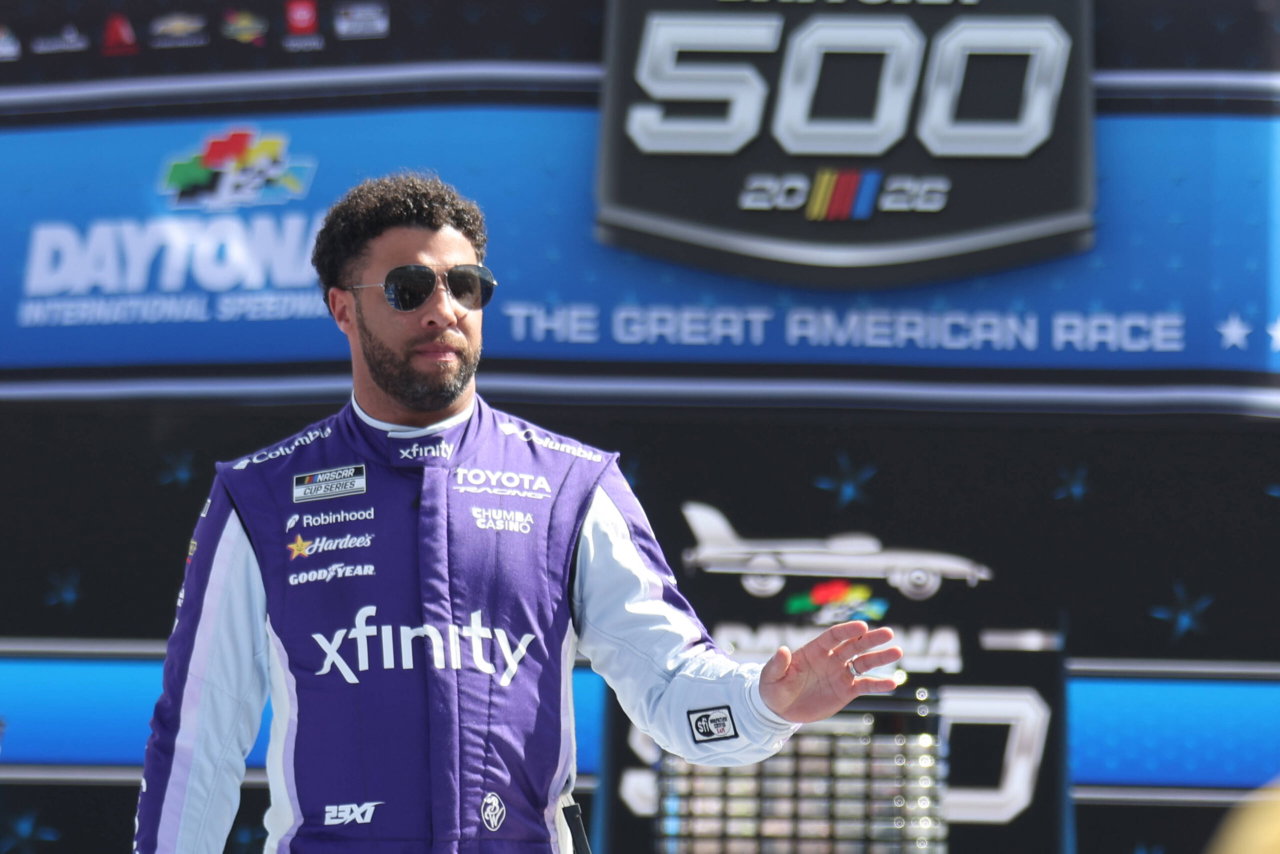
Bubba Wallace said the track still forces drivers to use contact if they want to pass, and he described bumping as a bad but necessary part of racing at Martinsville. He said the softer bumper makes every hit more consequential, especially when the field bunches up on restarts. Chase Briscoe took the concern a step further, saying the new design removes Y-brackets and thick foam and leaves cars more exposed to radiator and aerodynamic damage. Austin Cindric said he wants to see how the race unfolds before drawing any conclusions about the package. Christopher Bell called the change “super critical” for spotters to keep in mind when the field lines up for restarts, where one shove can alter several cars at once. Denny Hamlin said drivers can still use the bumper, but they need to be careful about retaliation or serious damage. That shared caution says plenty about how the garage views the new setup. Nobody is talking about eliminating contact. They are talking about making sure a routine shove does not turn into a costly repair job or a car that cannot finish the race the way its driver planned.
Practice damage and pole
Practice offered an early look at how quickly contact can matter. Ross Chastain slowed with a mechanical issue, and Cody Ware struck the back of Chastain’s car. The impact damaged the hood of Ware’s No. 51 entry and forced him to skip qualifying so the team could make repairs. The session still produced a front-row snapshot for the race, with Hamlin winning the pole in 19.226 seconds at 98.492 mph. Ty Gibbs qualified second and Kyle Larson was third. Larson arrived at the penultimate race with a 73-point lead over Hamlin, which gives the front of the field added weight before the green flag ever drops. Martinsville often turns into a race of track position, restarts and patience, and the practice session only sharpened that picture. One small hit already cost one team a qualifying run. The softer bumper package adds another layer to a track that already asks drivers to balance aggression with survival, and it puts even routine contact under a harsher lens as the field prepares for the race.