




Formula 1 fan support rises despite driver criticism of 2026 rules
NXTbets Pro | Published On: July 29, 2026
Fan Voice survey
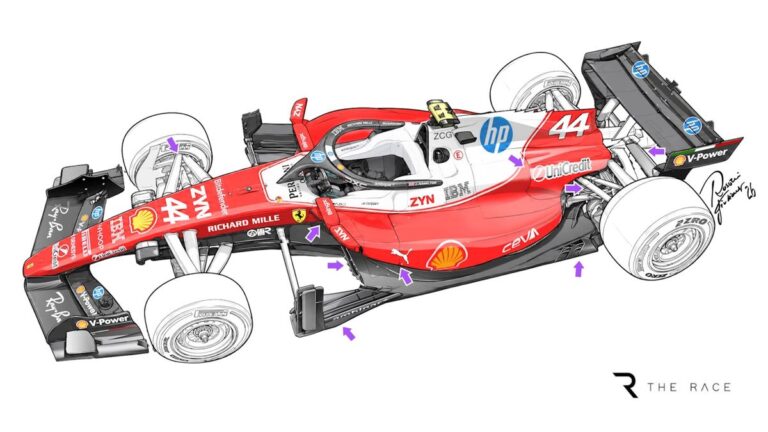
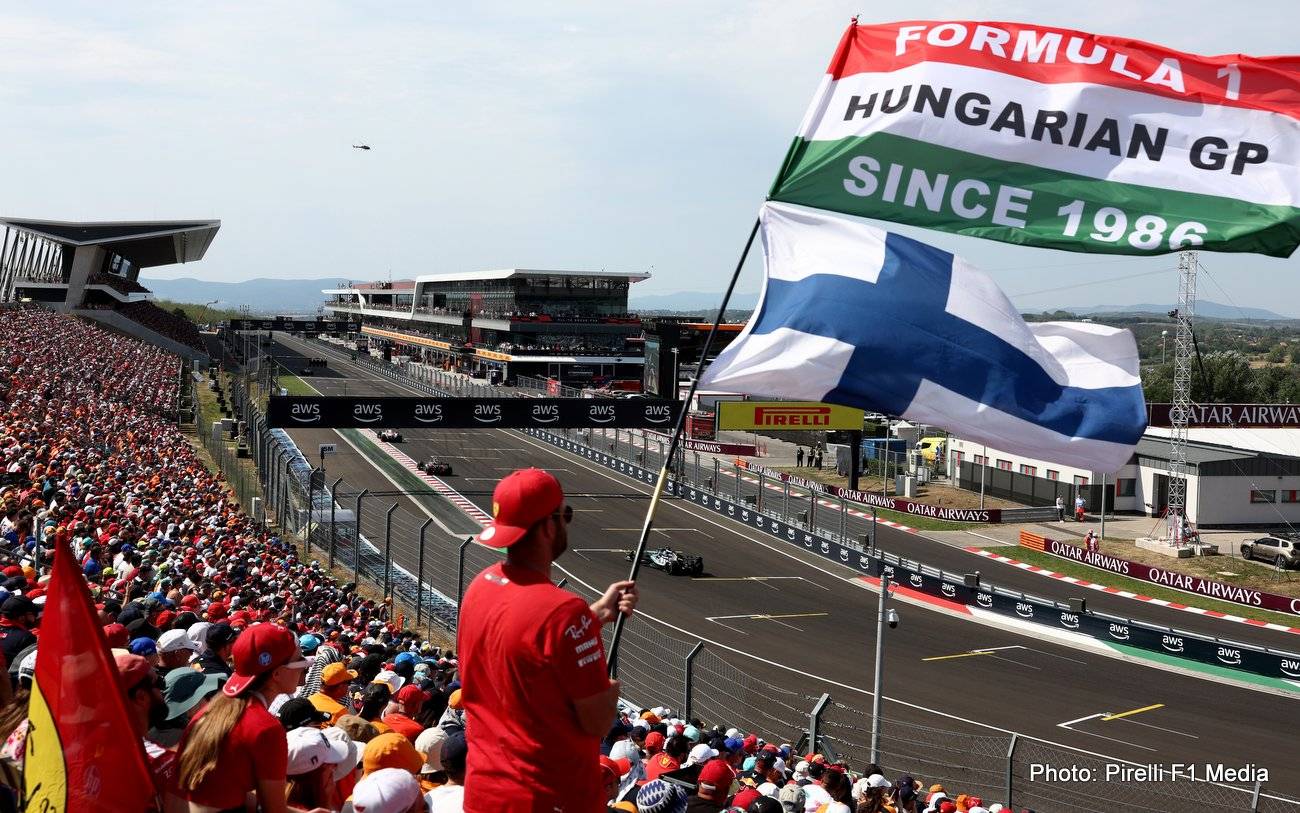
Formula 1 said fan support has climbed even as its 2026 rules face sharp criticism from drivers. Halfway through the season, the sport’s Fan Voice survey of 60,000 fans found that 66% rated races as good or excellent, up from 60% last year. The numbers give Formula 1 a positive read on how the championship is landing with its audience at a time when the cars and power units have sparked debate across the paddock.
The result matters because the 2026 regulations shift the sport toward a much bigger role for electric power and energy management. That change has altered the shape of the racing and the way drivers have to manage each lap. Formula 1 has already made some changes to the new power unit rules, and it plans to move away from the current 50-50 combustion-electric split to a 60-40 split by 2028. The fan survey suggests the broader audience is still responding to the racing even as the technical side grows more complex. Formula 1 said its commercial position and its fan base remain strong, and that view sits at the center of its response to the latest criticism.
Driver criticism
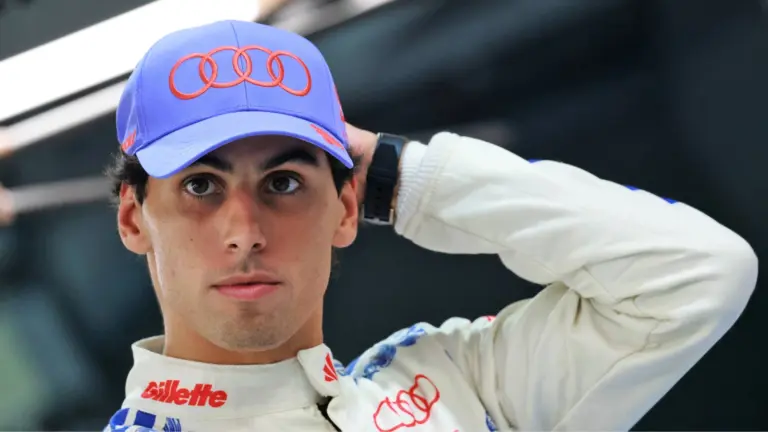
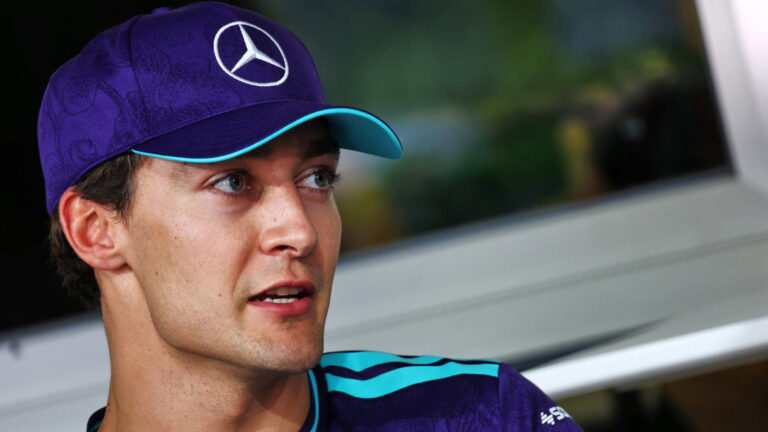
Drivers have taken a harder line on the 2026 cars, with the energy-management demands drawing the most heat. The criticism has been strongest at faster circuits such as Silverstone and Spa, where the new power units have made the compromises more visible. Max Verstappen called the 2026 cars “Formula E on steroids,” and Oscar Piastri warned about the power units’ “self-learning elements.” Piastri, Lando Norris, Verstappen and Fernando Alonso have all criticized the new engines, giving the debate a broad edge across the front of the grid.
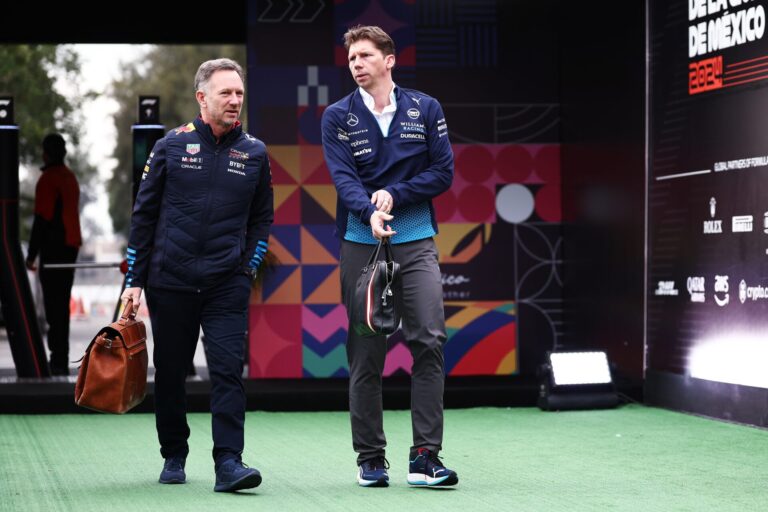
Formula 1 president Stefano Domenicali said he understands the drivers’ concerns, but he also made clear where the sport stands. He said fans remain Formula 1’s top priority. He said fans are enjoying the racing this year and do not fully understand technical issues such as clipping, which he said makes the on-track action look better than critics suggest. Domenicali also said criticism should be handled constructively rather than as public negativity, and he prefers to discuss issues “between four walls.” His message was direct. The sport values the driver feedback, but it does not plan to let that feedback define the public narrative around the 2026 formula.
Technical debate
The technical argument around the 2026 rules goes beyond the driver comments and into the wider shape of the sport. Christian Danner said Formula 1 should restore more internal combustion engine power and cut back on manufacturer influence over the technical direction. He argued that the current rules reduce driver control because software decides energy deployment. That point has become central to the criticism of the new cars, because the system asks drivers to manage energy in ways that can override the feel of the racing itself.
Danner said the current problems cannot be fully fixed until the next major rules cycle. He said software changes and greater driver familiarity with the system can ease the issues before then. He also said faster circuits such as Spa-Francorchamps expose the energy-management problems more clearly. On the governance side, Danner pointed to comments from the FIA, including Mohammed Ben Sulayem and Nikolas Tombazis, as a sign that future regulations should serve Formula 1 rather than manufacturers, with that approach ideally in place by 2030. The long-term direction is clear enough. Formula 1 is trying to balance a more electric future with racing that still satisfies drivers, fans and the sport’s own leadership.