
F1 Teams Adapt to Sustainable Fuel and Power Unit Changes
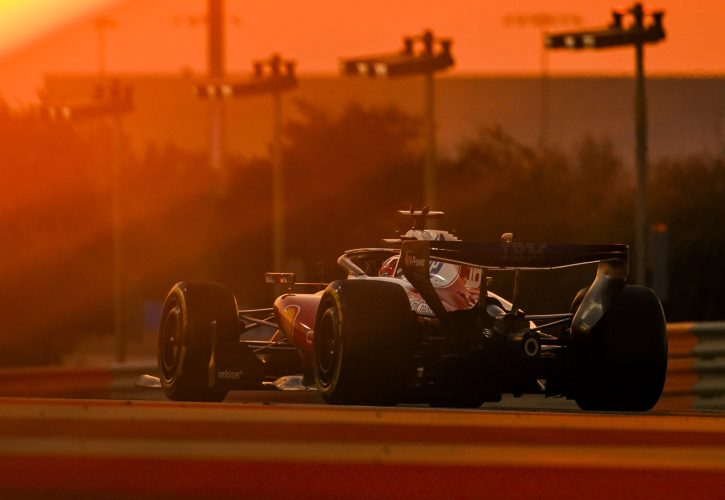
The three-day final pre-season test at the Bahrain International Circuit was teams’ last intensive on-track assessment before the season opener in Melbourne. Run under a new technical rule set — including major changes to chassis, aerodynamics and power units plus the introduction of sustainable fuels — the test imposed a steep learning curve across the F1 paddock. Mercedes, McLaren, Ferrari and Red Bull arrived with significant updates and much of the running focused on systems integration: revised hybrid energy harvesting and deployment, new software and cooling maps, reliability work and race-management procedures.
On-track sessions ran daily from 07:00–16:00 local time. Early indicators showed the front-running teams operating in a similar performance window, but lap times were considered deceptive because squads used different fuel loads, tire compounds and bespoke run programmes. Midfield teams concentrated on extracting gains from fresh upgrades while adapting to the broader technical changes.
Live paddock coverage accompanied the running: PlanetF1 provided session-by-session updates and flagged that fans could stream all laps (some reports suggested using a VPN such as ExpressVPN to follow the feeds), while F1i and other outlets published curated photo galleries. A number of outlets used inconsistent day labels in their pictorial recaps, sometimes describing sessions as “penultimate.” Teams balanced aggressive data collection with deliberate concealment of detailed setup and outright-pace information — keeping ballast, setups and full programmes under wraps and leaving open the possibility of late low-fuel runs. Testing concluded after the three-day session; squads will return to base to analyze the collected data and finalize preparations ahead of the Australian Grand Prix in Melbourne.
New Player Signup Bonuses