
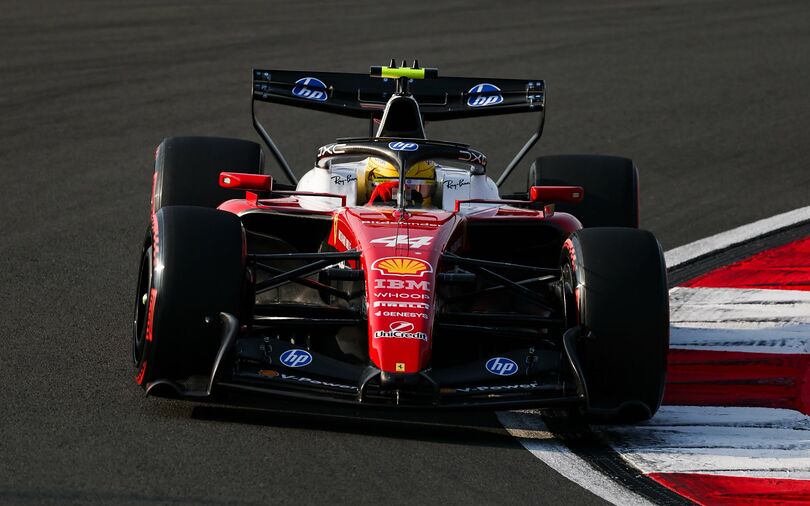
Ferrari pushes to fix SF-26 traction before Japanese GP
On-track results through Australia and China underlined Mercedes’ early advantage. George Russell won the Australian Grand Prix and the Shanghai Sprint and led the drivers’ standings on 51 points, while Mercedes topped the constructors’ standings on 98 points — more than 30 clear of Ferrari.
GPS telemetry from the opening rounds showed the Ferrari SF-26 had a pronounced traction weakness versus the Mercedes W17, costing time on corner exits and harming race pace and overtaking. Engineers attributed the deficit to that loss of traction, and Mercedes’ onboard and GPS data helped pinpoint where the SF-26 was losing performance. Analysts and rival teams treated the SF-26’s weakness as a car-development problem, with GPS evidence linking the traction deficit to poorer race-distance performance and fewer overtaking opportunities.
The traction issue shaped Ferrari’s mixed early return: the team arrived in 2026 stronger than in 2025 and kept Mercedes from running entirely away with the opening rounds. Charles Leclerc remained one of the quickest drivers — he pressured Russell in Australia and still finished fourth in Shanghai despite the circuit being a known weakness for him. Lewis Hamilton ended a 16-month podium drought with third in Shanghai — his first rostrum in his 26th race weekend for Ferrari. He said he felt “back to my best” after heavy winter training, the addition of a new race engineer and improved team morale while adapting to the cars’ energy-deployment systems, but warned Ferrari still needed significant gains to match Mercedes, estimating the W17 holds roughly four to five tenths in race trim. With the Japanese Grand Prix approaching, Ferrari is aiming to build on the Shanghai podium and address the traction shortfall as it attempts to close the gap to the early leaders.
New Player Signup Bonuses