




Formula 1 set to vote next month on catch-up mechanism
NXTbets Pro | Published On: October 9, 2026
Vowles push
Williams team principal James Vowles is pressing Formula 1 to back a catch-up mechanism that would give smaller teams more freedom to invest and help close the gap to the front-runners. The plan would use a points-based system linked to the constructors’ championship, a structure Vowles argues could give lower-ranked outfits more room to invest and compete. He says the current cost cap has brought financial stability but has not delivered sporting equity, and he pointed to a field that has not compressed under the current rules. Vowles said lower-ranked teams are scoring fewer points while the top four teams are scoring more, a trend he says shows the system is not working as intended. He also cited figures showing only one non-top-four win in the last 130 Grands Prix and non-top-four podiums falling from 10% to 5%. For Williams, the gap is expensive. Vowles said the team would need to spend about $200 million to catch up, and under the current depreciation rules that outlay would create roughly a $20 million annual budget hit over 10 years. His message is clear, the present framework protects the teams that were already heavily invested before the cap arrived, and Formula 1 needs a stronger long-term answer before the next major rule cycle changes the landscape.
Cost cap debate
The voting thresholds matter. Six of the 11 teams would be needed to approve the change for 2027, but only four votes would be enough for it to begin in 2028. That gives the idea a narrow path, and it also leaves plenty of room for the paddock to split over how far Formula 1 should go in reshaping its financial rules. Cadillac, Aston Martin, Audi and Alpine are backing the plan, while Haas is against it. Vowles said in Singapore that if the proposal cannot clear the bar for 2027, he will keep pushing for a change in 2028. That keeps the issue alive beyond the first vote and turns the debate into a longer campaign over how Formula 1 should treat teams that start with fewer resources. The central argument is simple. Supporters want a system that rewards competitive catch-up and gives smaller teams a better route to growth. Opponents see a risk in changing the cost cap too far or too fast. The vote will show whether enough teams believe the current rules need help, or whether the sport will stick with the existing structure and revisit the issue later.
Team positions
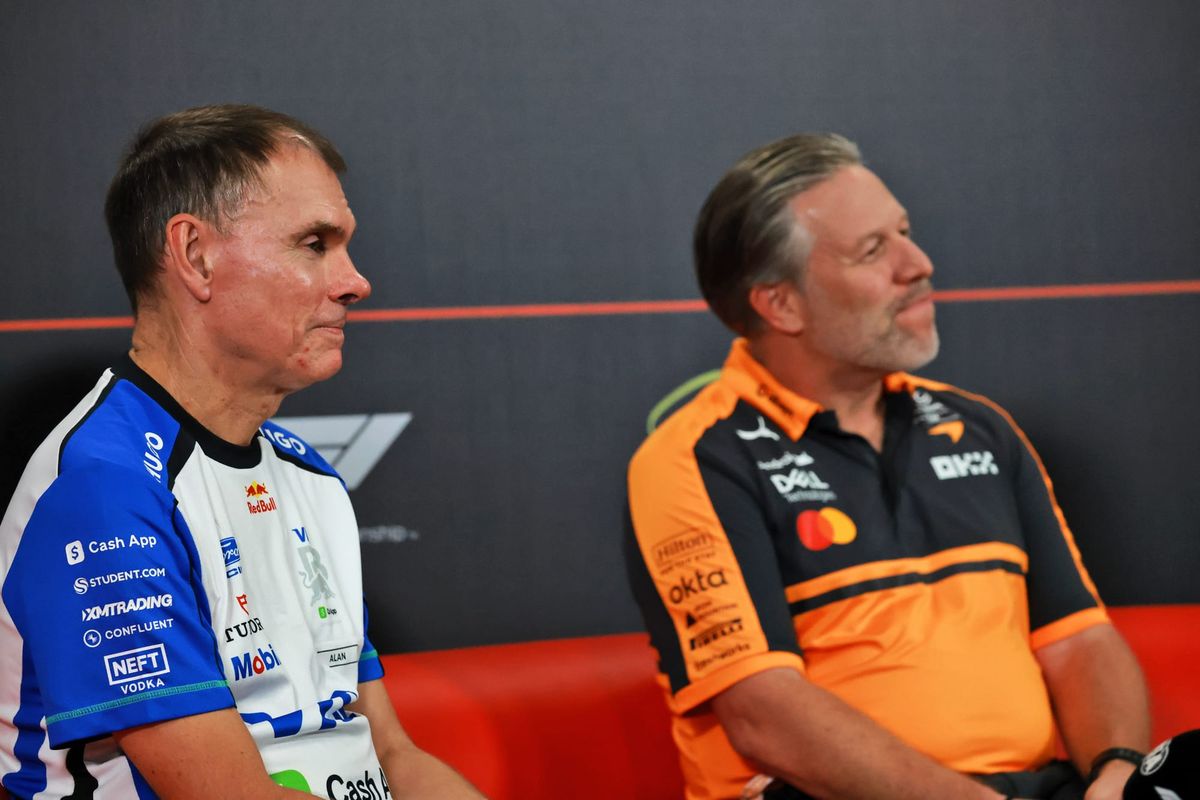
Formula 1 management and the FIA are said to support the idea, which gives the proposal weight beyond the teams alone. Even so, the front-to-back agreement Vowles needs is far from guaranteed. Racing Bulls team principal Alan Permane said his team would not support a wholesale change to the cost cap rules, a sign that some teams want the current framework protected. Mercedes boss Toto Wolff said he is open to some cost cap adjustments, but he drew the line at a sliding scale that would resemble balance of performance. McLaren CEO Zak Brown took a different angle, saying teams should choose how to allocate money between infrastructure and car development. Those views frame the wider argument inside Formula 1. One side wants a mechanism that helps teams move up the order faster. Another wants flexibility inside the cap without a system that shifts money by design. The coming vote will test whether Formula 1 is ready to change that balance or keep the present model in place while the gap at the front stays wide.