
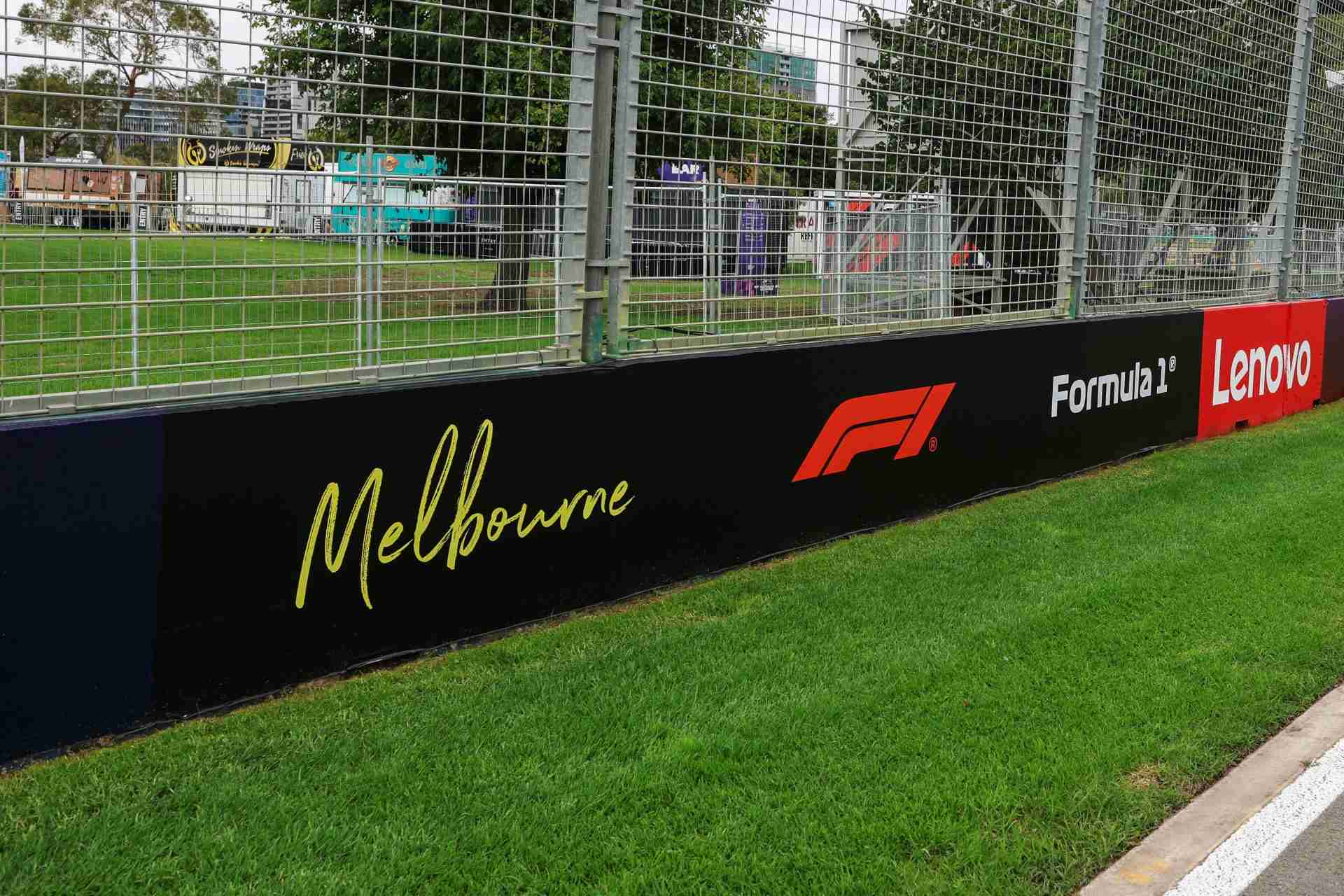
FP2 sets baseline at Australian GP, reveals race pace
Friday practice at the Australian Grand Prix was treated as a crucial data-gathering day. FP1 ran 12:30–13:30 AEDT and FP2 16:00–17:00 AEDT; teams prioritized long-run work over headline lap times, and FP2 was expected to give the clearest read on race pace because crews ran heavier fuel loads and extended stints on medium and hard tires.
Teams focused on a handful of technical indicators during Friday running: long-run consistency, rear stability when drivers used aggressive curbs, lap-time drop-off across 8–12 lap stints, and component behavior such as brake temperatures, cooling performance and gearbox response. How teams used the soft tire was also revealing: avoiding long soft-tire runs could point to durability concerns, while aggressive soft-tire testing would suggest confidence in a two-stop strategy.
The weekend schedule runs March 5–7: FP3 and qualifying are set for Saturday, with the race on Sunday at 15:00 AEST. Broadcasters: Apple TV is the exclusive U.S. rights holder and is offering a seven-day free trial; Sky Sports (via Sky Go/NOW) holds exclusive U.K. rights; F1 TV remains available worldwide, including Canada and Mexico. Friday’s importance was amplified by major regulation changes and limited on-track data — teams completed nine days of pre-season running but arrived with only a baseline for the 2026-spec cars and overhauled chassis and power units. Early indicators named McLaren, Mercedes, Red Bull and Ferrari among potential frontrunners, while new manufacturer entries Audi and Cadillac made their race-weekend debuts. Motorsport.com will provide live text commentary of the weekend. Support-series context: the F2 season also opened at Albert Park this weekend (Free Practice on Friday, Qualifying and the Sprint on Saturday, Feature on Sunday); organizers expect pit strategy, the circuit’s low-grip surface, multiple DRS zones and high tire wear to be decisive across the weekend.
New Player Signup Bonuses