



Fred Lorenzen Died at 89, First Known NASCAR Driver Diagnosed With CTE
NXTbets Pro | Published On: October 20, 2026
CTE diagnosis
Boston University’s CTE Center found stage 3 chronic traumatic encephalopathy in Lorenzen’s brain after his death, making him the first known NASCAR driver diagnosed with the disease. Lorenzen died at 89 after living with dementia for the final 20 years of his life. CTE can only be confirmed after death, and that leaves his case as a posthumous diagnosis rather than a treatment-time answer. The finding adds a posthumous medical detail to a decline that stretched across much of his later life. It also ties Lorenzen to a disease that researchers can study only after the fact. For Lorenzen’s family and for the racing community, the result turned a private struggle into a public one. It identified the brain disease found after his death and added a painful final layer to a career already marked by major victories and Hall of Fame recognition.
Lorenzen family response
His children, Chris Lorenzen and Amanda Lorenzen Gardstrom, responded by directing money and attention toward the disease that affected their father. They donated $1 million to the Concussion & CTE Foundation, with the goal of supporting CTE research and helping drivers and their families get care and support. The family also created the Fred Lorenzen Memorial HelpLine, a direct effort to connect drivers and families with care and support. Those two steps show a practical response to a difficult diagnosis. One piece is aimed at research, the other at immediate help for people who are dealing with the effects of the disease. Together, they turn the family’s loss into a resource for others who may face the same questions. The family said NASCAR had not helped with efforts to study CTE in drivers. Their response points to a larger need for support, and it gives the family a way to push that effort forward in Lorenzen’s name. The help line and the donation both keep the focus on the people who need answers, care and support now.
NASCAR legacy
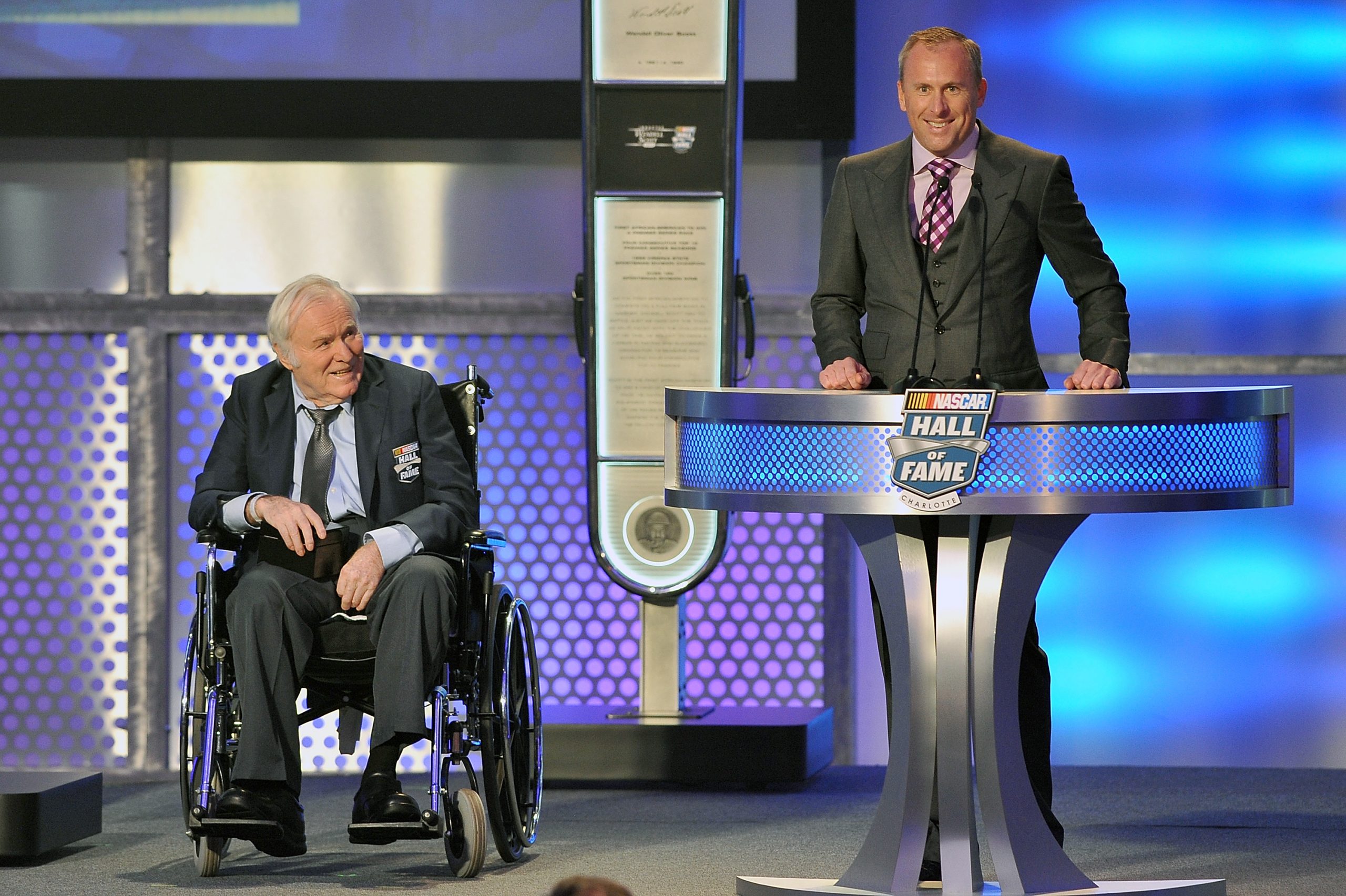
Lorenzen’s racing record still defines his place in NASCAR history. He won 26 NASCAR Cup Series races in 158 starts, a total that puts him among the sport’s standout drivers of his era. His victories included the Daytona 500 and two World 600 wins, results that anchor his reputation as a major competitor on the biggest stages. He was also inducted into the NASCAR Hall of Fame, a recognition that reflected the respect he earned over a long career. Those accomplishments remain part of the public record and part of how fans remember him. The posthumous CTE diagnosis does not erase that legacy. It sits next to it and gives his story a harder ending. Lorenzen is remembered for the races he won, the history he made and the standard he set in the sport. His family’s work now adds another part to that legacy, one focused on research, support and the effects of chronic traumatic encephalopathy after the racing is done.