




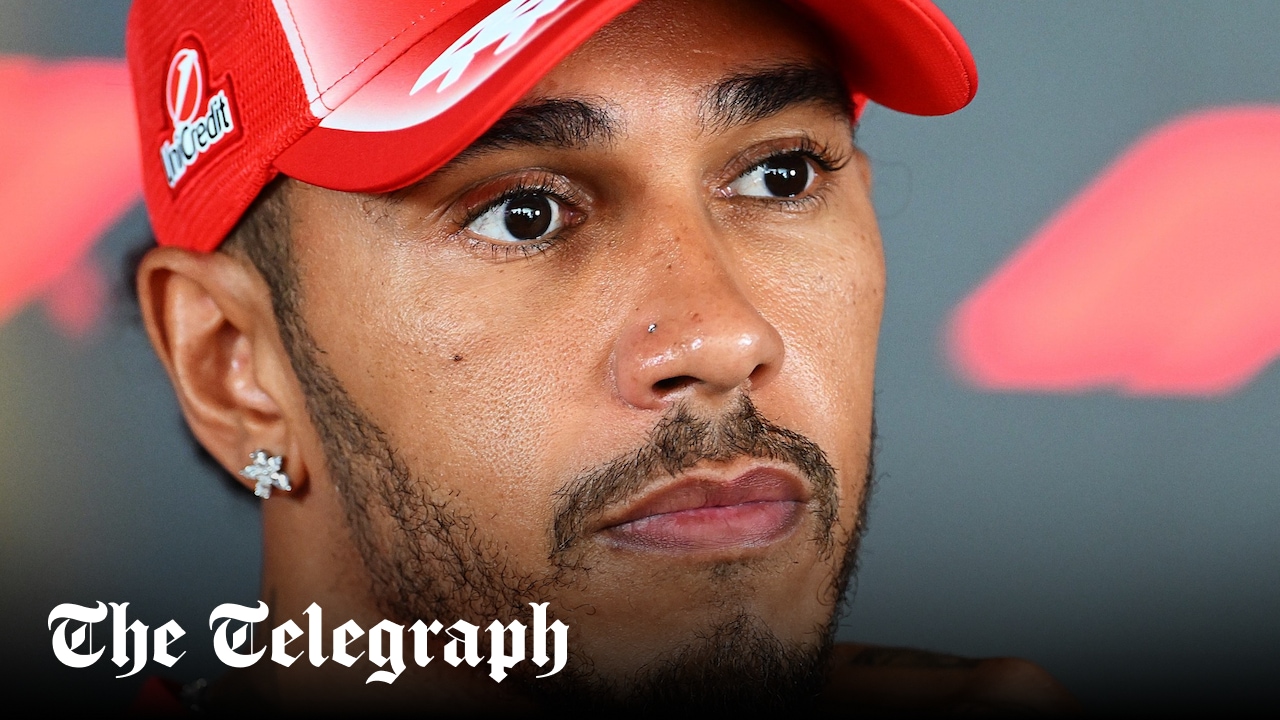
Hamilton slammed Formula 1 plan to shorten Grand Prix races
NXTbets Pro | Published On: September 24, 2026
Hamilton rejected cut
Lewis Hamilton pushed back hard against Formula 1’s plan to shorten Grand Prix races in 2027, saying the move “makes no sense” and arguing the sport should ask more of its drivers, not less. Hamilton said he would prefer longer races and laid out a simple case for keeping the current challenge intact. Modern tires and improved reliability, he said, have already changed the shape of race day. Many grands prix now settle into one-stop patterns because the tires can last the full distance. That, in Hamilton’s view, leaves less room for the kind of sustained pressure and physical demand that once defined the sport.
Hamilton made his comments in Baku, where the paddock was gathered ahead of the Azerbaijan Grand Prix, and his remarks landed as Formula 1 prepared to change the standard length of its headline races. The current distance stood at 305 kilometers, and the new target was set to trim that to 290 kilometers starting in 2027. The difference amounts to roughly two or three laps, depending on the circuit, a small shift on paper that still changes the shape of a Grand Prix. Hamilton’s criticism focused on the direction of the sport, not just the number of laps. He said Formula 1 should be pushing drivers harder instead of reducing the load, a stance that fits his broader view that the best races should test both speed and endurance from start to finish.
Formula 1 explained change
Formula 1 approved the reduction as part of revised power-unit rules and higher fuel requirements. The revised power-unit rules will increase fuel flow by 5%, a detail that points to the engineering tradeoffs behind the decision. Shorter races and revised fuel requirements can shape strategy, throttle management and how teams think about pace over a Grand Prix distance. The change instead sits alongside the broader rule changes that will define the next phase of the championship.
Hamilton’s comments cut against that logic. He pointed to the way modern race weekends already unfold, with tire durability often steering teams toward longer stints and fewer stops. In his view, that trend has already softened the physical and tactical demands of many races. A reduction from 305 kilometers to 290 kilometers may look modest, but it still changes how much time drivers spend under race conditions and how much room they have to recover from early mistakes, traffic or strategy calls. For Hamilton, that is the wrong direction. He said the sport should preserve the challenge and keep the distance at a level that forces drivers and teams to solve more problems over the course of a race.
Alonso backed Hamilton
Fernando Alonso sided with Hamilton and took aim at the same broad trend, saying traditional circuits such as Silverstone, Spa and Suzuka have been “killed” by recent changes. Alonso’s response added a second voice from the paddock to a debate that reaches beyond one rule adjustment. His comments frame the issue as one about identity and legacy, not only race length. Those tracks carry long histories and demanding layouts, and Alonso’s point was that recent changes have stripped away some of what made them special. In that view, shortening a Grand Prix is part of a wider drift toward reducing the edge that once set classic venues apart.
Hamilton’s and Alonso’s reactions underline the tension Formula 1 faces as it balances modern engineering, strategy and spectacle. The new rules were tied to revised power units and higher fuel flow, but Hamilton and Alonso saw a different risk. Hamilton’s answer was clear. He wants longer races, more demand and more of the kind of effort that makes a Grand Prix feel like a true test. Alonso agreed, and his critique of Silverstone, Spa and Suzuka suggests the concern reaches well beyond one season or one regulation cycle.