



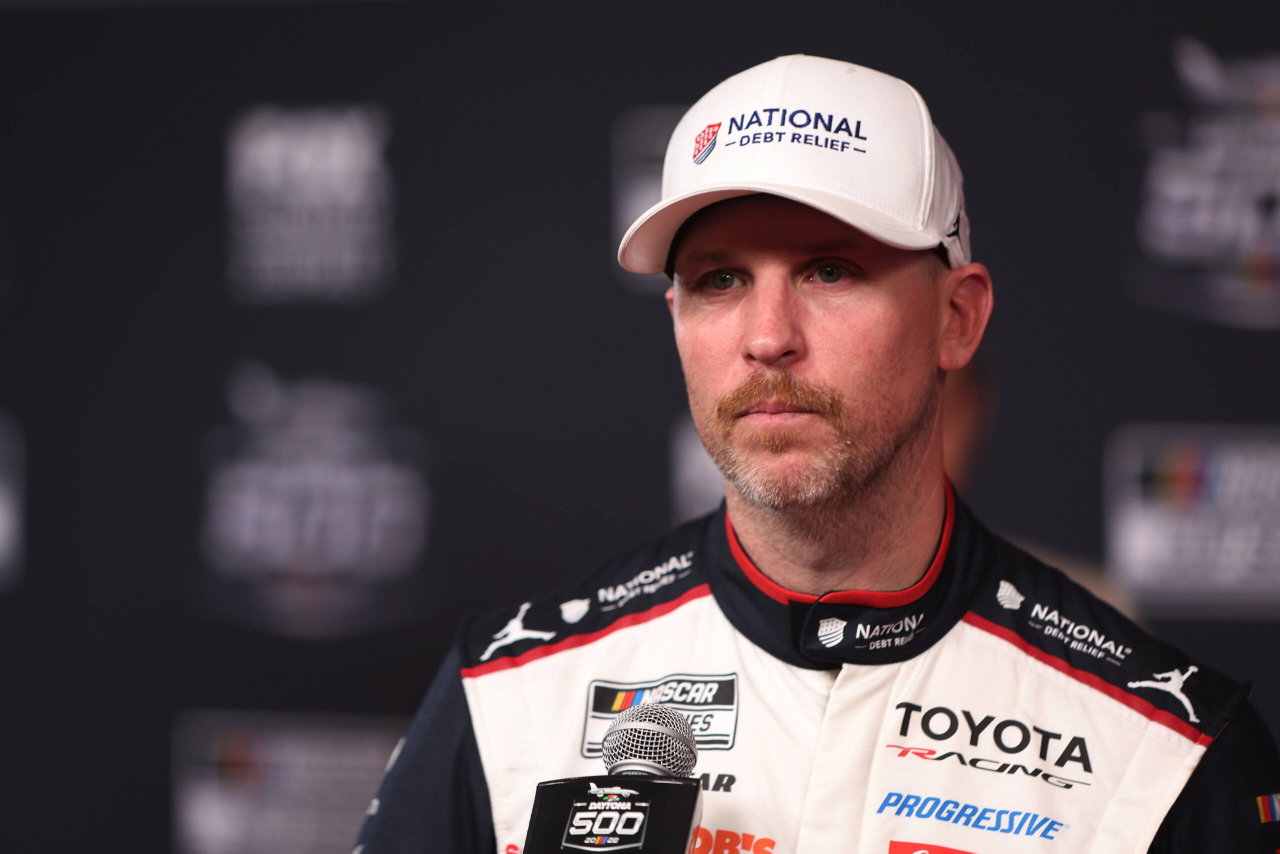
Hamlin sent to rear after brake issues hit Iowa Speedway
NXTbets Pro | Published On: August 10, 2026
Hamlin brake issues
Denny Hamlin went to the rear of the field after Joe Gibbs Racing changed a cooling unit on his No. 11 car before the green flag at Iowa Speedway, another hit in a Saturday build-up already defined by brake trouble. Hamlin had qualified 32nd, then picked up the rear-start penalty after the pre-race work. He made the problem plain when he said, “I can’t brake, I have no brakes.” Chris Gayle said there was a 50-50 chance the pre-race changes would let Hamlin finish the race at full speed. The issue came soon after Hamlin got on track, and it forced the team to keep working through repairs before the field took the green flag. His car was part of a wider group of machines dealing with brake problems across the garage, but Hamlin’s case stood out because the cooling unit change came right before the race and sent him to the back before the event started. The setback added to a difficult run of preparation for a driver who had already given up track position in qualifying and then had to absorb one more change before race time.
Briscoe rotor damage
Chase Briscoe and Riley Herbst also dealt with brake problems, and all three 23XI Racing cars had the same issue soon after they got on track Saturday. Joe Gibbs Racing and 23XI Racing spent the morning repairing and adjusting the affected cars, trying to get them ready under the limits NASCAR set for safety. Officials allowed teams to bleed brake lines and replace cracked rotors, but NASCAR would not allow a brake pad change unless the manufacturer reported a defect. That left crews with a narrow set of fixes once the trouble showed up. James Small said Briscoe’s rotors were “destroyed” and could not be changed. That put the focus on repair work rather than a full parts swap. Herbst’s car was part of the same brake problem that touched every 23XI entry, and Briscoe’s issues added another layer for Joe Gibbs Racing as it worked through its own car. The morning work centered on keeping the cars safe and functional, with teams using the changes the rules allowed and leaving the more serious hardware alone unless the situation met NASCAR’s threshold for a defect.
Rear-start penalties
Brad Keselowski also went to the rear of the field after crashing in qualifying, while Chase Elliott was sent back after hitting the wall in practice and making additional repairs after qualifying. Their setbacks matched the broader pattern at Iowa Speedway, where teams were already busy fixing brake-related damage before the race. Hamlin, Keselowski and Elliott all ended up at the rear for different reasons, and Hamlin’s move came after the cooling unit change on the No. 11. The problems were not limited to one team or one moment on track. They spread from practice to qualifying and into the final pre-race checks, forcing crews to keep working on cars that had already taken hits. NASCAR’s safety rules shaped the response, since teams could bleed brake lines and replace cracked rotors but could not simply swap a brake pad without a reported defect from the manufacturer. That left the garages with repair work to finish and lineup changes to absorb before the green flag. Hamlin’s complaint summed up the stakes for the day, and the rear-start penalties showed how quickly the brake issues and car damage turned into track position losses.