



Kaisei Adachi advanced as Typhoon swell changed Omaezaki conditions
NXTbets Pro | Published On: October 30, 2026
Omaezaki Long Beach
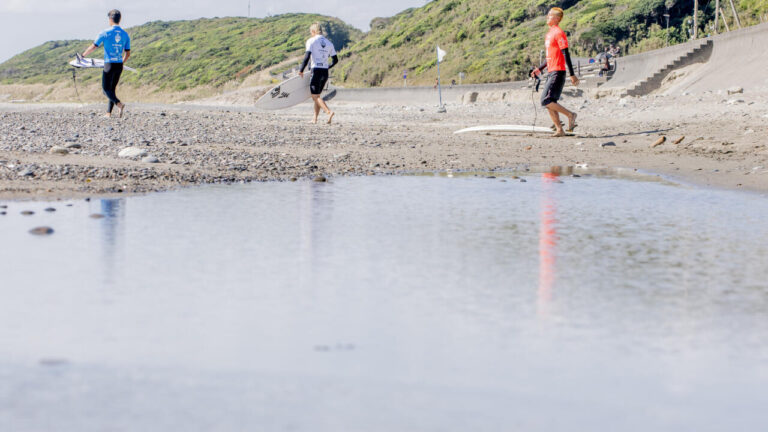
The whitebuffalo OMAEZAKI PRO at Omaezaki Long Beach in Shizuoka, Japan, spent its second day waiting on the surf before the action picked up. An extended morning hold kept the beach quiet while the waves stayed slow and inconsistent. Once conditions improved, competition started at 11:15 a.m. and the Men’s Pro Junior Round of 56 and the Women’s Pro Junior Round of 24 were completed. The pause did not stop the surfers from contributing away from the contest floor. During the standby period, pro competitors joined local kindergarten students for a beach cleanup, adding a community step to a day built around patience. When the water finally opened up, Hyuga Fujitani made the most of it. He posted an 8.17 on his best single wave so far in the Men’s Pro Junior, the top wave score of the event at that stage. That mark gave the men’s field a clear standard and showed how quickly the conditions could change once the ocean started to cooperate. The day moved from delay to action in a short span, and the cleanest surfing came only after the long wait for the surf to settle into shape.
Kaisei Adachi advanced
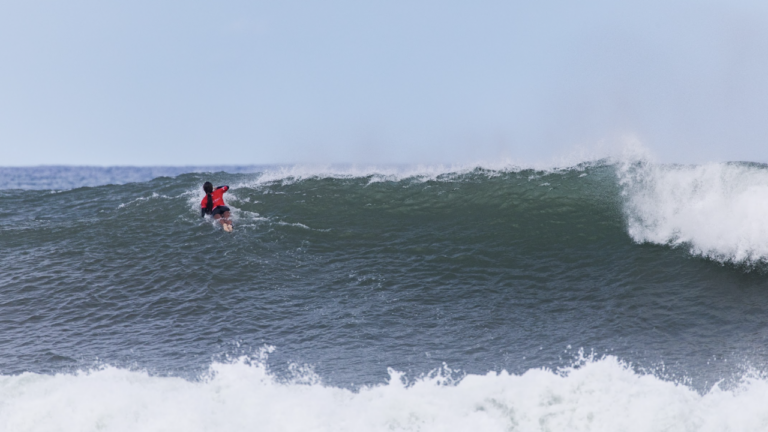
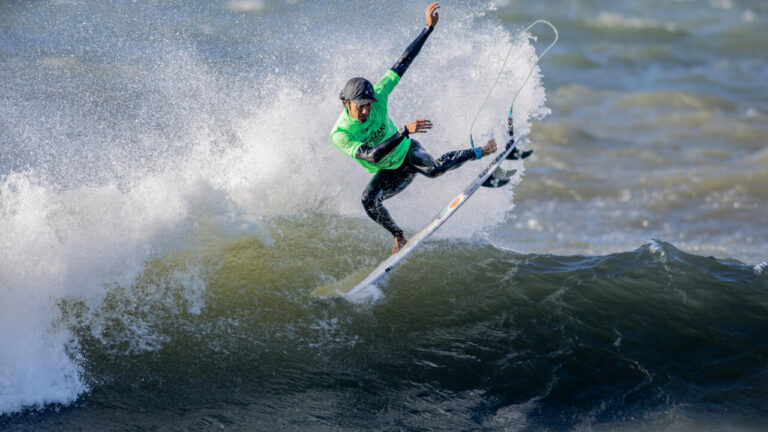
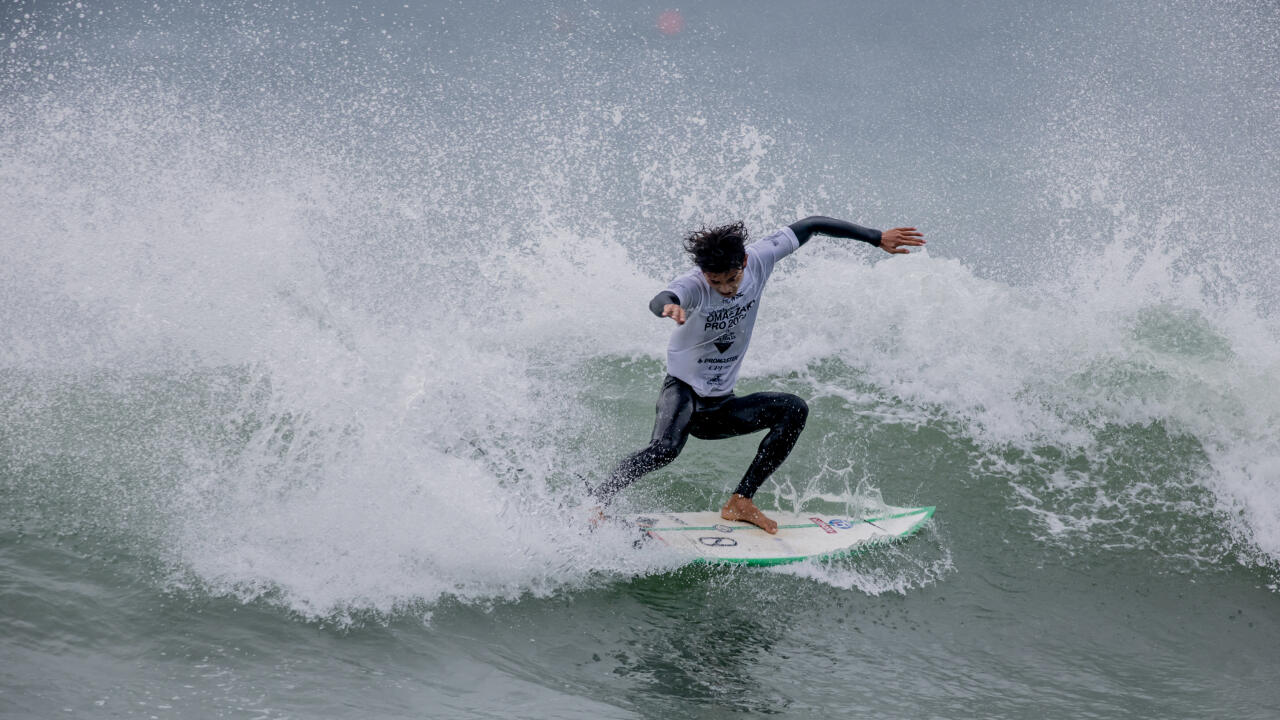
Fresh typhoon swell changed the picture on the third day and clean, consistent waves replaced the slower start from the previous session. The Men’s Pro Junior Round of 32 got underway in much better surf, and Kaisei Adachi advanced in the men’s field by reading the changing peaks well. The new conditions rewarded surfers who stayed patient and picked the right section, and Adachi handled that shift better than most. Mirai Ikeda also stood out in the water after her recent Asian Games gold in Tahara City. Competing at Omaezaki carried extra meaning for her because the crowd felt familiar and she was surfing at home. She also said she still had more to show after having trouble finding backup waves, which left room for a stronger finish later in the event. The setting mattered as much as the surfing. The swell changed the pace of the heats and altered the way each surfer approached the lineup. What had been a cautious start turned into a session that demanded sharper reads and cleaner decisions. Adachi and Ikeda both showed they could adjust when the ocean finally shifted in their favor, and that adaptability became part of the story as the event moved forward.
QS 2000 builds
Sentaro Sakai and Maika Mori kept the pressure on as the afternoon moved into the QS 2000 rounds, and both surfers continued to perform well after the junior brackets had already taken center stage. Their runs helped keep the event moving with purpose as the field widened beyond the Pro Junior action. The surf was expected to build further in the next session, and that meant both QS 2000 divisions were set to move into knockout stages. That next step raised the stakes for the surfers still waiting to compete. The beach had already seen one long hold, one clean shift in conditions and a full reset in rhythm between sessions, and the program was heading toward a more demanding finish if the swell kept climbing. The men’s Pro Junior side had already begun the Round of 32 and the women’s Pro Junior side had finished the Round of 24, leaving the QS 2000 heats to carry the late momentum. Omaezaki Long Beach went from slow and inconsistent to clean and contestable, then to a setup for a bigger test ahead. Sakai and Mori were among the names keeping attention on the water as the event pushed toward its next stage, with stronger surf and elimination-round pressure waiting in the wings.