



Norris warned Las Vegas rain would be scary on F1 intermediate tires
NXTbets Pro | Published On: November 17, 2026
Las Vegas rain
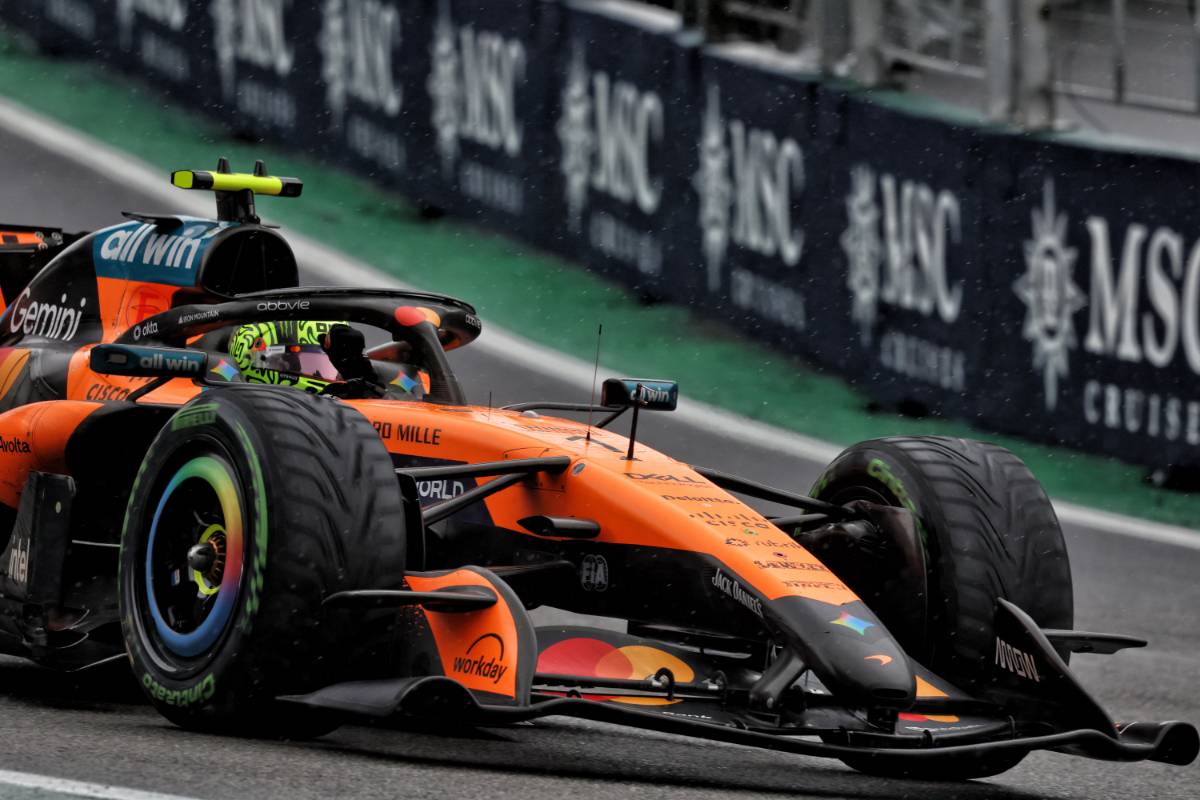
Lando Norris said Las Vegas would be “scary” in wet conditions with Formula 1’s current intermediate tires, and the forecast gave that warning extra weight. Rain was in the mix for practice, with a 46% chance for first practice at 4:30 p.m. local time and a 17% chance for second practice at 8 p.m. local time. The sessions were also set against a forecast high of 12 degrees Celsius, a cold backdrop that could make it hard to get heat into the tires and keep them there. Norris said that loss of temperature was the biggest concern in the Nevada conditions. He described cold tires as “pretty nasty” and said the weekend could be “horrible” without a better tire. His comments focused on the current tire range’s struggle to generate heat at low-downforce circuits.
Tire working range
Norris was not alone in that concern. Max Verstappen and Carlos Sainz said the tires’ working range was too small, and they pointed to the same weak spot in cold conditions. The intermediates were especially weak in cold conditions, and the full wet tires were still prone to aquaplaning and offered limited rear grip. The problem was especially relevant at a low-downforce venue such as Las Vegas. For Norris, Verstappen and Sainz, the issue was the narrow working range and the weaknesses of the current wet-weather compounds.
Pirelli progress
Pirelli said it had already completed wet-tire development for 2027, and the company said it used data from Brazil to confirm the progress it had made after earlier wet testing at Magny-Cours. That mattered because Norris said he hoped Pirelli would produce much better rain tires for 2027. His point was clear. The sport needed a tire that worked better in the cold, warmed up faster and gave drivers more confidence when rain hit a circuit that did not help the rubber come alive. The intermediates needed a wider window. The wet tires needed more rear grip and less risk of aquaplaning.