



Norris won São Paulo Grand Prix as Verstappen stormed from 21st to second
NXTbets Pro | Published On: November 10, 2026
Verstappen’s recovery
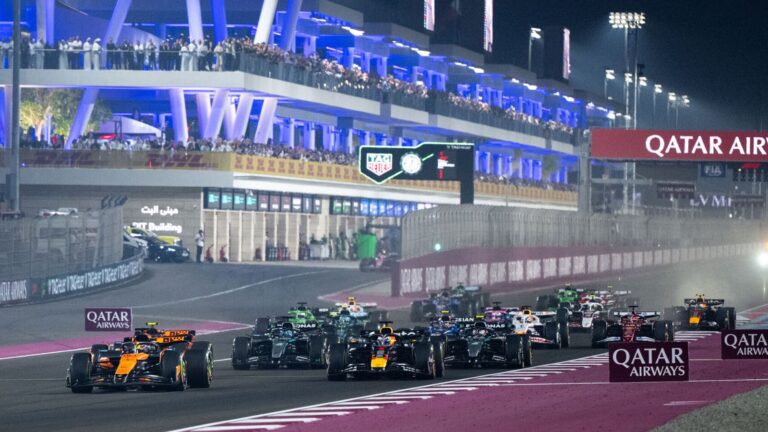
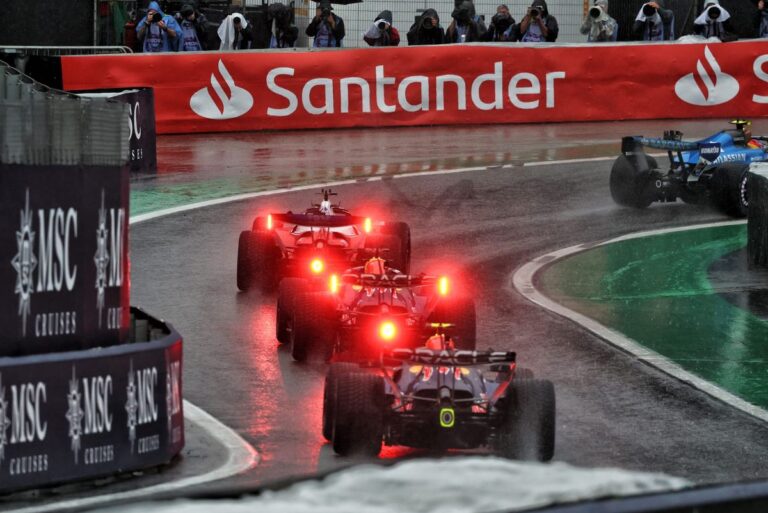
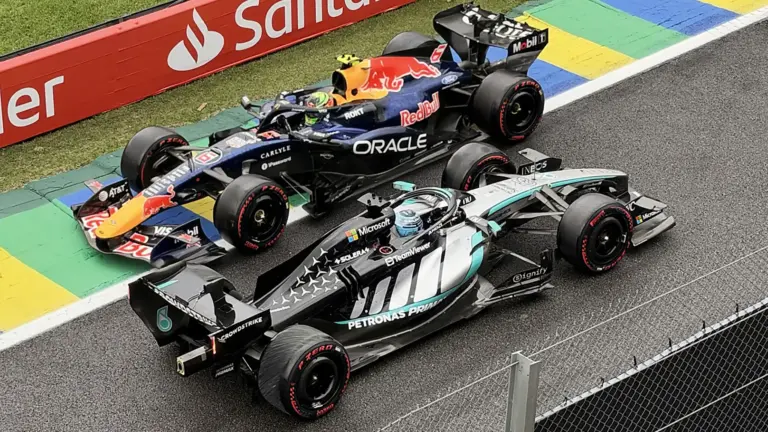
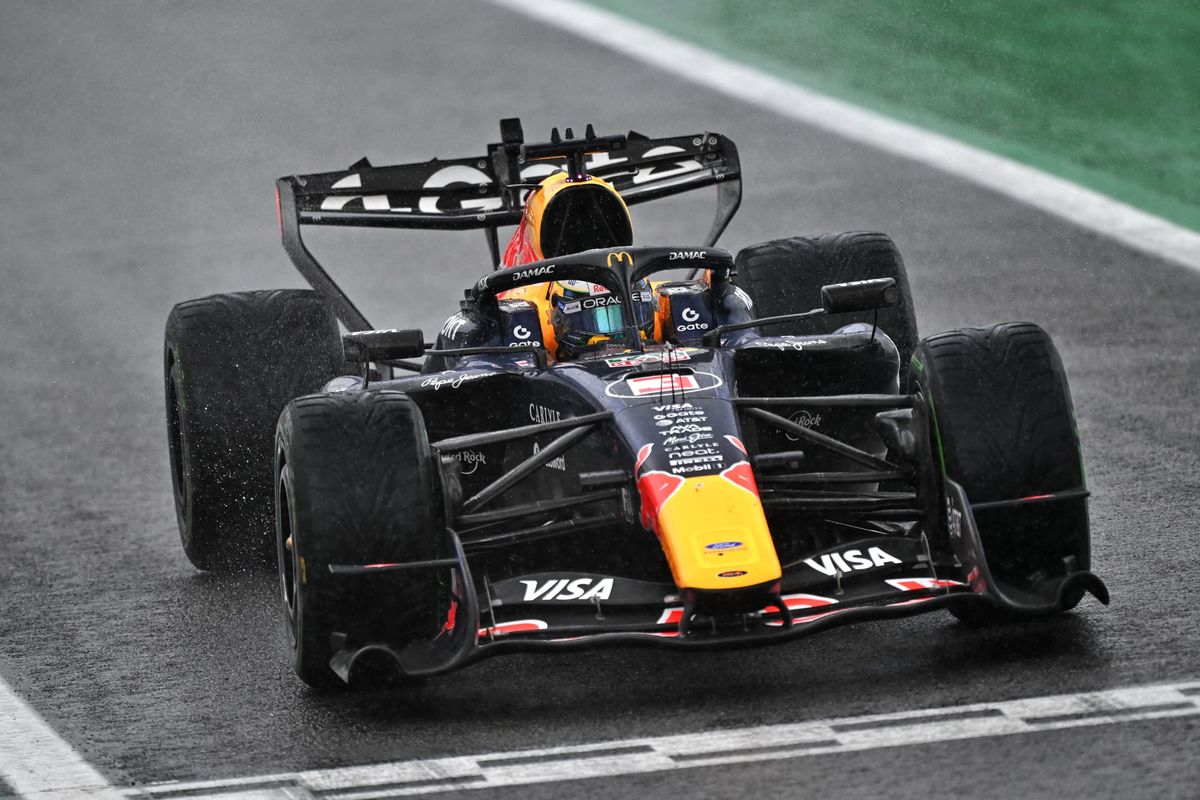
The race turned into a far bigger story for Verstappen after Red Bull had to send him off 21st on the grid because of a power unit change. That kind of setback usually leaves a driver chasing damage control. Verstappen did more than that. He fought through wet conditions, gained 14 places in the first five laps and moved from 21st into the top five in fewer than 15 laps. He even reached second place briefly before settling into the race that left him just under 15 seconds behind Norris at the finish. The result gave Norris the win, but it also showed how much Verstappen had to overcome just to stay in contention. Starting from the back in a field that was changing fast in the rain, he turned a grid penalty into a serious challenge for the leaders. The pace that carried him forward early gave Red Bull hope that the car could still fight for the front even after the penalty. For a stretch, it did exactly that.
Verstappen charge
Verstappen said the comeback became much harder after his first tire stop. He said his RB22 felt strong on intermediate tires, then developed extreme oversteer once he switched to slick tires. He said the car’s balance changed to the opposite of what he had felt earlier, and the problem made it much harder to drive. Verstappen said Red Bull needed to find out whether something broke on the car or whether it lost aerodynamic performance. He also said he could not close the gap to Norris and believed there was more pace in the car if it had stayed healthy. His view was blunt. The car’s behavior was “not normal.” That description fit the shape of his race. He had enough speed to climb through the field and enough control to run near the front for part of the afternoon, but the later stages removed any chance of a stronger challenge. Even with the struggle on slick tires, he still fought his way to second, which underlined how strong the opening laps had been and how much pace remained in the package before the car changed.
Mekies analysis
Laurent Mekies said Red Bull needed to analyze what changed in Verstappen’s car, and his comments pointed to a team still searching for the reason behind the late-race drop-off. Mekies also said McLaren was probably quicker and that Norris looked stronger in the conditions, which matched the final result and the pace Norris showed when the race settled. Still, he made clear that Verstappen’s run through the field stood out on its own. Mekies said no simulator could have predicted the comeback and said Verstappen was “beating the sim” on a regular basis. That line captured how far the driver pushed the car beyond the numbers Red Bull expected. Mekies also said the grid penalty came after a small issue on Friday, which made the starting position even tougher to absorb. The sequence left Red Bull with two clear tasks. It had to figure out what changed in Verstappen’s car during the race and why a strong early run gave way to a car that no longer behaved the same way. The team also had to measure that against McLaren’s race pace, because Norris had the stronger finish and the cleaner path to victory.