




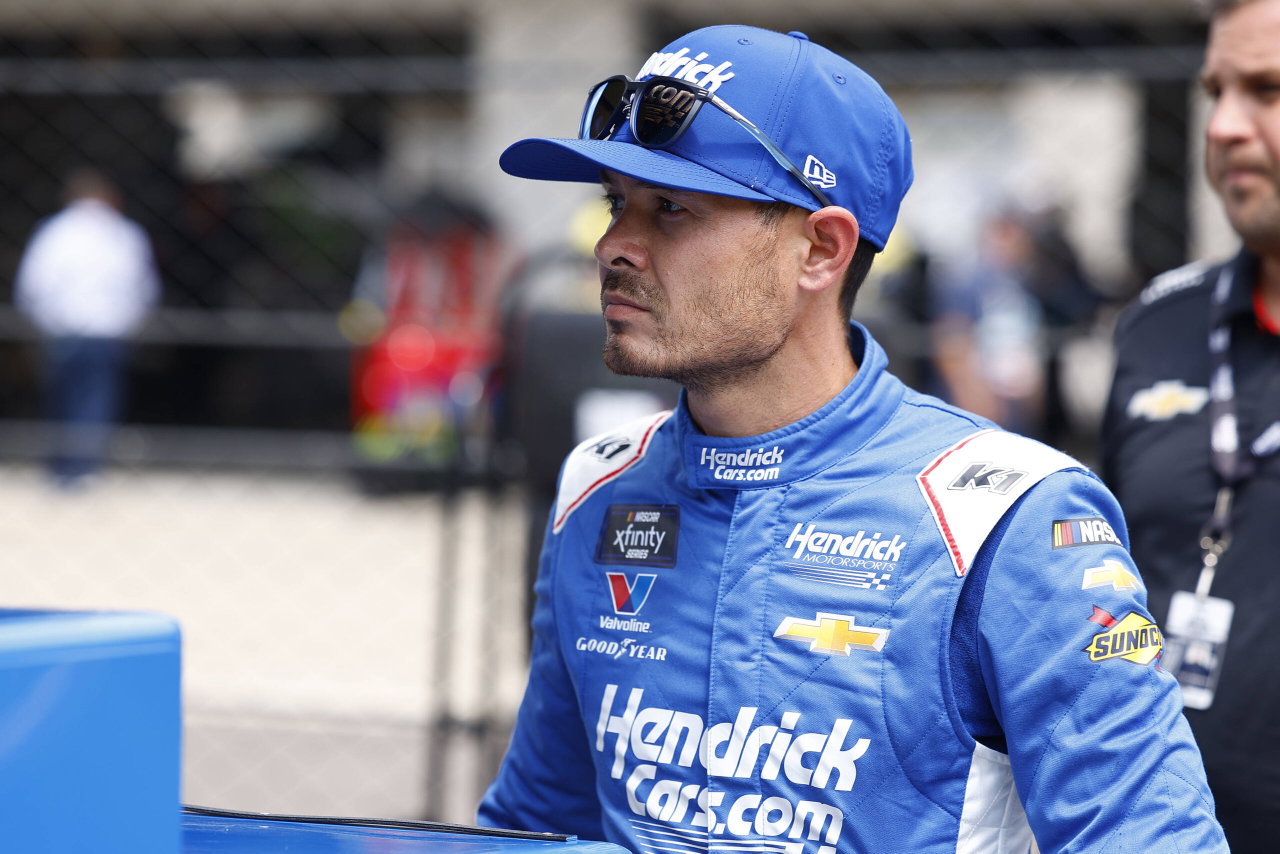
Larson tire failure cuts Brickyard 400 short
NXTbets Pro | Published On: July 28, 2026
Larson crash
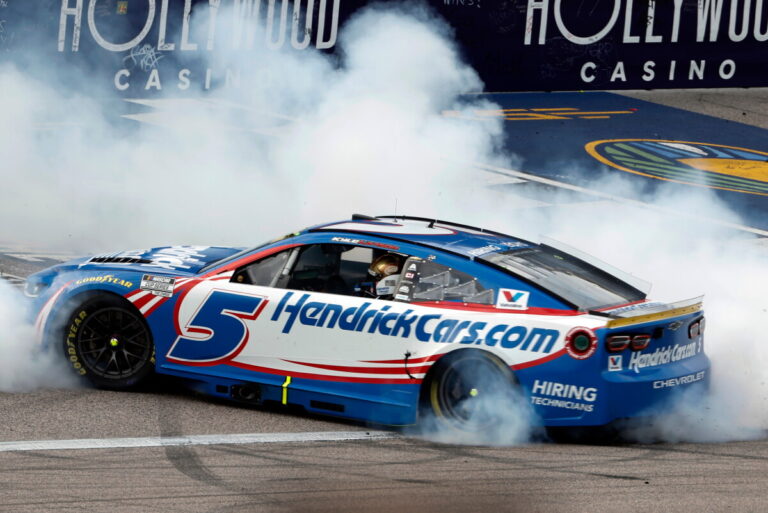
Kyle Larson's Brickyard 400 defense ended early when a left-rear tire failure sent his No. 5 Hendrick Motorsports Chevrolet into the outside wall entering Turn 3 at Indianapolis Motor Speedway. The crash came in Stage 1 and shut down his race on Lap 46. Larson was scored 39th and left with one point after the car took race-ending damage. He entered the event as the defending NASCAR Cup Series champion and the 2024 Brickyard 400 champion, which made the stop in the wall a major turn in a race he had started with winning credentials. The failure wiped out a run that had already moved him into the mix near the front.
Larson had worked his way forward through the green-flag pit cycle. He pitted early on Lap 27 and ran second after that stop, and the cycle briefly put him in position to take the lead. That sequence mattered because it showed his car had enough pace to challenge for track position before the tire went away. Instead, the left-rear failed on Lap 45 as he entered Turn 3, and the impact with the outside wall ended any chance of recovering. The finish turned a promising afternoon into a short and costly one for a driver who had been in contention before the problem hit.
Larson reaction
Larson said he had no warning before the tire failure and said the tire "let go." He said he was not pushing the car too hard when the failure happened. Those comments matched the way the run had unfolded before the crash, with Larson and Hendrick Motorsports managing the strategy well enough to put the car in position for a stronger finish. Larson said the team had qualified 10th and had run well enough to gain track position before the incident. He framed the early portion of the race as a solid effort that delivered the kind of position a team wants when the pit cycle starts to matter.
Crew chief Cliff Daniels also played a role in the buildup. Daniels told Larson to push for a few laps to test the car's limits, and Larson followed that plan before the failure hit. That detail underscored how the team tried to read the race and use clean pace to move forward. The strategy worked until the tire gave way. Once it did, there was no repair path on the track and the crash became a race-ending setback. Larson called the result disappointing, which fit the way the day unraveled after the car had already shown enough speed to race near the front.
Larson outlook
The Brickyard 400 result added another rough line to Larson's recent record. It was his third finish in the last four races outside the top 30, a stretch that has produced little reward for a driver who entered Indianapolis Motor Speedway with championship experience and recent Brickyard success. The DNF left him with one point and a damaged car, and it ended a race where he had already gained track position and looked capable of more before the tire failure. For Larson, the loss was not just a missed finish. It also cut short a day that had given him a chance to build momentum.
Four regular-season races remained after the race, which left Larson with time to recover but also little room for more wasted results. The Brickyard had already given him a path into the top running order after the early stop, and that made the crash harder to absorb because the team had done enough in the opening stage to make the front a real target. Instead, the left-rear failure, the wall contact and the damage all combined to end the effort. The final line showed how quickly a promising run can disappear in NASCAR, especially when a tire failure strikes without warning and leaves the driver with nothing to do but watch the day slip away.