
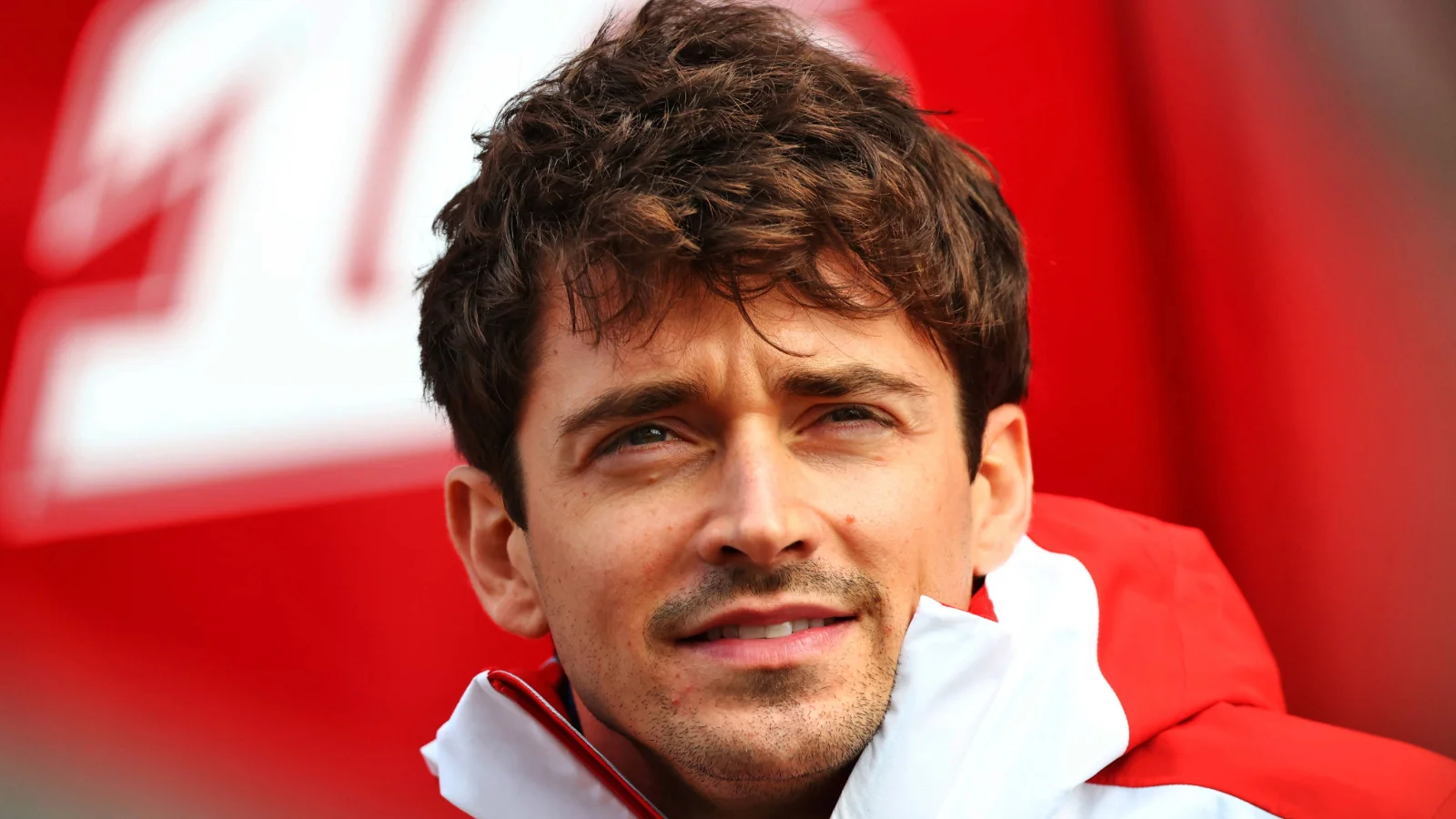
Leclerc, Verstappen Clash Over Battery-Assisted Overtakes
The 2026 technical and energy-rule changes — notably a nimbler chassis, reduced downforce and power units that are now almost half-electric — have sharply divided opinion about whether Formula 1’s on-track action remains driver-led or has become battery-assisted and “artificial.” Empirical changes in overtaking patterns and closer, “yo-yo” finishes in the opening rounds show the new regulations are materially altering race dynamics: some passes are now staged around strategic battery deployment or active-aero boosts, while other design tweaks have made cars aerodynamically friendlier to passing.
Drivers and commentators are split. Charles Leclerc defended the package, saying from the cockpit the new cars “doesn’t feel so artificial,” that he enjoyed driving them and that drivers are converging on similar risk zones that create fresh passing opportunities; he conceded, however, that some overtakes can look artificial when a competitor fully drains the battery. By contrast Max Verstappen and others including Lando Norris, Carlos Sainz and Esteban Ocon have been openly critical — Verstappen saying fans who enjoy the new style “don’t understand racing.” Broadcasters and pundits pushed back too: David Croft used Lewis Hamilton’s close, multi-lap exchanges with George Russell and Leclerc in Shanghai to argue F1 “isn’t all about batteries,” calling those moves examples of “organic racing,” and David Coulthard described Hamilton’s maneuvers as “creative.”
Race-by-race detail underlines the complexity. Melbourne produced battery-driven passing and yo-yo position changes — overtakes at places such as Turn 14 that were often reversed down the pit straight — while Shanghai delivered authentic outbraking duels into Turn 14 and the Turn 1/2/3 sequence, highlighted by the Hamilton–Leclerc fight and aided by cars designed to stay close enough for retaliation. Teams have also used aggressive starts and strategic battery deployment — Ferrari’s strong start, establishing itself as Mercedes’ closest challenger, was built in part on those tactics. F1 is expected to tinker quickly — rule changes are anticipated within weeks and a more complex plan to vary harvest, deployment and storage limits by track has been postponed to gather data — as the sport seeks to reconcile electrical strategy with the traditional, driver-led spectacle (and to avoid potentially hazardous scenarios that might have been exacerbated at tracks such as Jeddah).
New Player Signup Bonuses