



Liam Lawson Became First F1 Driver to Perform and Race Same Weekend
NXTbets Pro | Published On: October 23, 2026
Lawson’s Austin set
Liam Lawson turned a Formula 1 race weekend into a music weekend, then into a little bit of history. The Formula 1 driver performed an acoustic set at Inn Cahoots in Austin during the United States Grand Prix weekend, and the appearance made him the first Formula 1 driver to headline a show during a race weekend. It also made him the first Formula 1 driver to perform a full concert and compete in a Grand Prix in the same weekend. The show carried the billing “Garage Sessions with Liam Lawson and Friends,” a fitting label for a night that mixed the energy of the paddock with the feel of an intimate live set. Lawson took a very different stage in Austin, but the same high-pressure setting that comes with a Grand Prix weekend. His performance marked his first live music appearance in more than a decade, which gave the night extra weight beyond the novelty of a driver picking up a guitar between track sessions. The event fit neatly into the city’s race-week rhythm, with Lawson stepping into a room and giving the audience something few of them expected from a driver usually known for his work in the cockpit. It was a rare crossover, but one that happened in the middle of a Grand Prix weekend, when attention in Austin already had a way of spreading beyond the circuit.
Ricciardo joins crowd
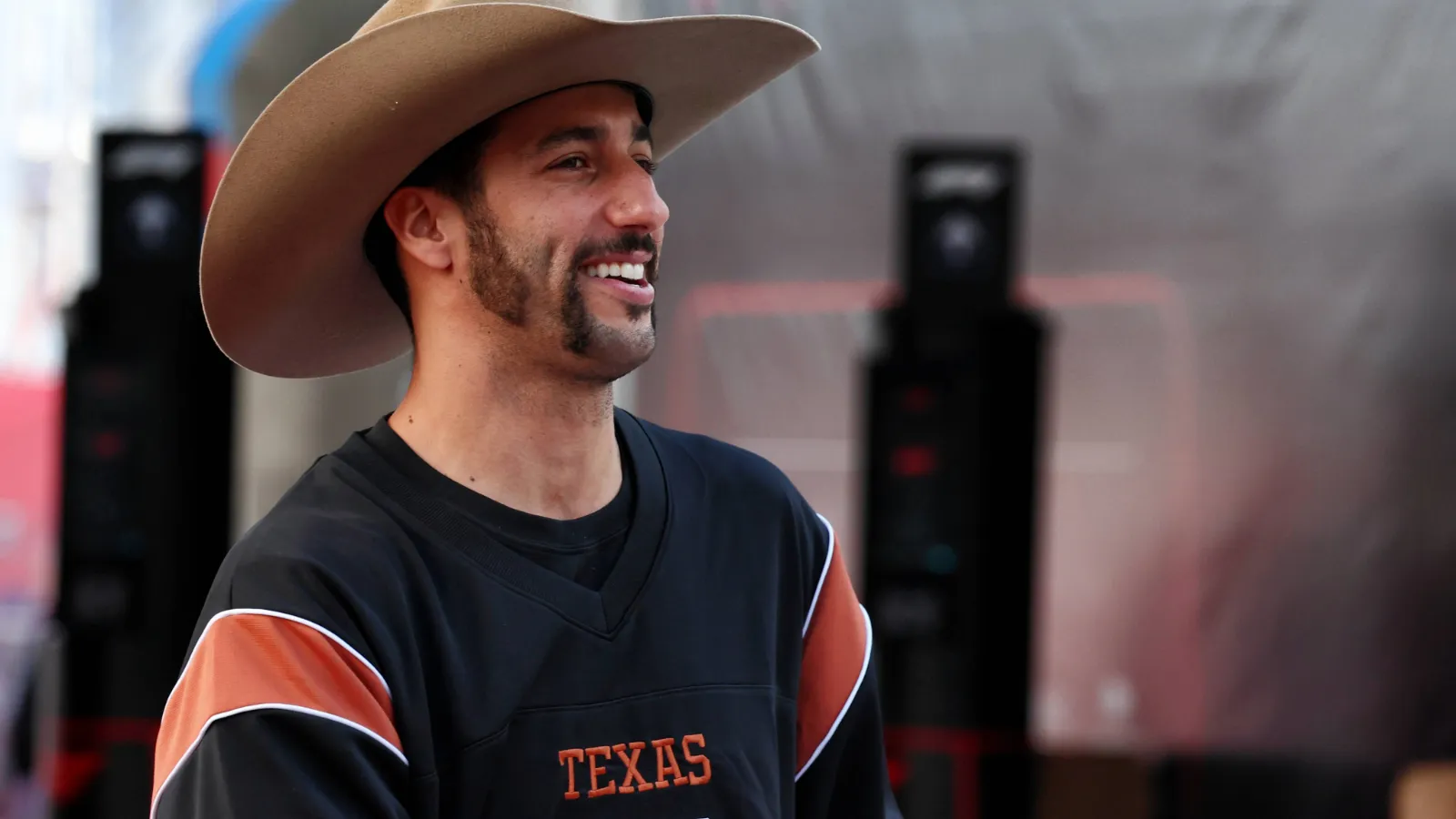
Lawson did not play to an empty room. Daniel Ricciardo returned to Austin ahead of the Formula 1 United States Grand Prix and attended Lawson’s debut stage performance at the pre-race event. That gave the night another layer of familiarity, with one former race presence watching another step into a new role. Isack Hadjar was also in attendance, as was Arvid Lindblad, adding more racing company to a night built around an unusual kind of headline act. Lawson did not treat the set like a throwaway bit of entertainment. He leaned into it, bringing his brother Marcus and childhood friends along for the performance and turning the stage into something closer to a band room than a one-man show. The group dynamic mattered because it framed the night as more than a one-off stunt. It looked like a personal performance, shared with people who had known him well before Formula 1 put him under a global spotlight. That kind of setting gave the night a relaxed edge, even with the significance attached to it. The setting in Austin, the presence of fellow drivers and the race-week timing all pointed to the same idea. Lawson was comfortable enough to treat a Grand Prix weekend as a place to perform, and the crowd saw a driver who was willing to mix one passion with another without losing the sense that both belonged to him.
LL30 guitar debut
Lawson’s setlist gave the night its own identity. He covered Sam Barber’s “Indigo,” John Mayer’s “Daughters” and Sam Fender’s “Rein Me In,” which featured Olivia Dean. The selection showed range and taste, moving from one artist to the next without trying to force the moment into something bigger than it was. It was an acoustic set, but the song choices gave it enough shape to feel like a real concert rather than a novelty appearance tucked inside a race weekend. Lawson also used the event to show off his newly debuted LL30 GS Mini SE acoustic guitar, which he designed with Taylor Guitars. That detail tied the performance back to the broader story. The instrument was not just part of the stage setup, it was part of the occasion itself. The guitar made its public introduction in front of an audience that already had a built-in interest in Lawson, and it added a personal touch to a night that otherwise might have been remembered only for the rarity of a driver taking the stage. A limited run of the LL30 GS Mini SE model is scheduled to go on sale later in the year, which gives the appearance an echo beyond Austin. Lawson’s night was about more than a one-off set. It connected his racing profile, his return to live music and a piece of gear built around his own name into a single moment that stood out because it was different from the usual Grand Prix routine.