




MotoGP manufacturers push one-bike-per-rider rule for 2027, sparking safety and sporting concerns
Published On: May 21, 2026
One-bike rule proposal details
Manufacturers propose limiting each premier-class rider to a single bike from 2027 as a cost-cutting measure, and the championship promoter together with Liberty Media are now assessing that plan as part of negotiations for the 2027–2031 Concorde Agreement. At present, riders in the premier class are allowed two bikes, a setup that teams use to pursue divergent setup directions during a race weekend and to swap machines during flag-to-flag races when weather or tire conditions change. Removing the two-bike option would therefore strip teams of the immediate mechanical redundancy they rely on in practice and qualifying, and it would likely end flag-to-flag racing in its present form because the current quick bike-swap procedure depends on having a second, fully prepped machine ready to go.
The proposal does not exist in isolation but forces organizers and teams to consider practical alternatives for managing changing conditions and the real-world consequences of a single-machine policy. Practical solutions under discussion include reintroducing mandatory red-flag stops or adopting garage pit-stop procedures that carry a mandatory minimum time, modeled loosely on WorldSBK’s approach. Those ideas arise because a typical flag-to-flag bike swap is a sub-three-second operation, which is impractical if a rider cannot start a second machine; a minimum-time garage stop or formal red-flag pause would be one way to preserve the strategic element of changing bikes while complying with a one-bike limitation. At the same time, the proposal leaves open a range of technical and regulatory questions: it is unclear whether teams would be allowed to assemble a backup machine from truck spares, whether an uncertified spare could be kept in a truck as happens in WorldSBK but only used after technical-inspector authorization, and exactly how any new pit-stop procedure would be written into the rulebook. Organizers have also not published any quantified estimate of projected savings, so the financial rationale is being weighed against unanswered operational and safety implications.
Manufacturers' objections and fallout
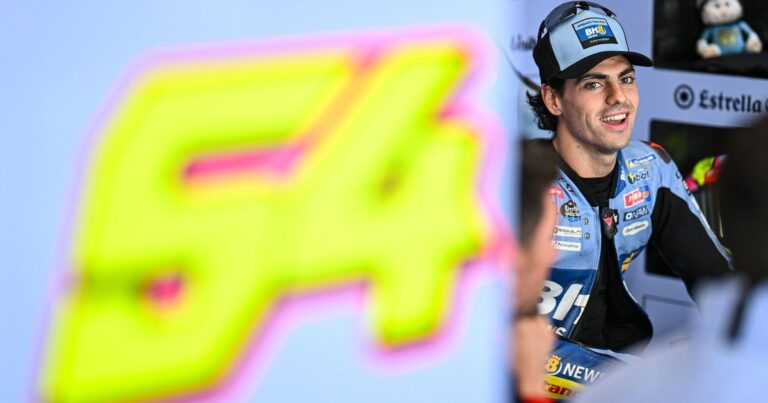
The one-bike proposal prompts immediate safety and sporting concerns because riders would have no spare machine available in practice or qualifying if they crash, and teams would lose the instant fallback that a second bike provides during a race. Those concerns are not theoretical: reports cite the Catalan Grand Prix as an example where, under a one-bike rule, Pedro Acosta and race winner Fabio Di Giannantonio would have been unable to restart after damaging their primary bikes. Comparisons to other series underscore the complexity of the change: Moto2 and Moto3 have operated with a one-bike model since 2010, but their racing context and resource requirements differ from the premier class, and WorldSBK allows an uncertified spare to be kept in the truck subject to inspector approval — a compromise that might be relevant if MotoGP pursues a similar concession.
The plan has already produced friction inside the paddock and beyond. Reports say Yamaha, Aprilia and KTM boycotted a factories meeting at Jerez, several rider announcements for 2027 have been delayed amid the uncertainty, and fans have reacted strongly on social media, with some posting "this isn't F1" and others drawing parallels to Formula 1’s 2008 spare-car ban. Any amendment to the current two-bikes-per-rider rule would need a formal vote and approval by the Grand Prix Commission, and manufacturers’ objections coupled with the ongoing talks mean the proposal remains contested and subject to change before any adoption for the 2027–2031 period. In short, while the one-bike idea is being promoted as a cost-saving measure, it opens a wide set of technical, sporting and political questions that stakeholders must resolve before it can move from proposal to rule.