
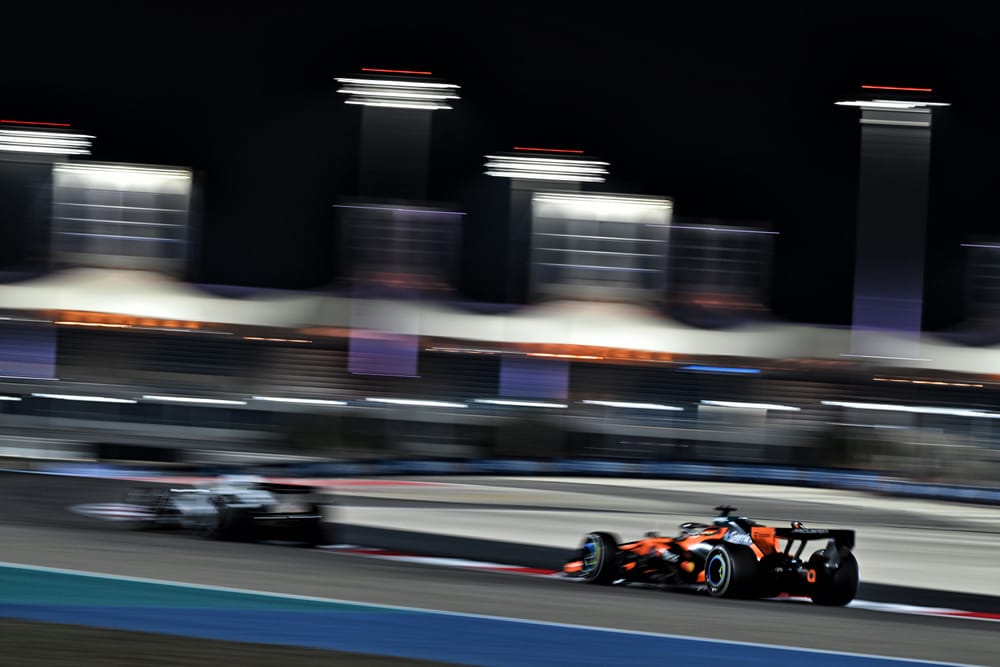
McLaren demands grid-time and battery fixes before Melbourne
McLaren urged urgent safety changes to 2026 Formula 1 race-start procedures after testing showed the new, high-electric-output power units have complicated starts and increased collision risk. Team principal Andrea Stella called the refinements “imperative,” warning that the near-50% electric output of the 2026 power units, combined with the removal of the MGU-H and DRS, has created conditions that can leave power units unprepared on the grid, foster widespread lift-and-coast behavior and produce large closing-speed differentials. Stella proposed straightforward fixes — allowing more time on the grid and adjusting battery power allocation — and said those measures should be adopted before the season opener in Melbourne; he expects the issues to be tabled urgently at the next F1 Commission meeting. Stella also referenced the severity of past high-closing-speed incidents, citing Mark Webber’s 2010 Valencia accident and Riccardo Patrese’s 1992 Estoril crash to underline the stakes.
The technical problem is that, with the MGU-H removed and much greater electric output, teams must keep the V6 turbo spooled for around 10 seconds to avoid lag and battery overcharging. Drivers were observed holding the throttle for more than 10 seconds during shakedowns and testing, and mistiming the spooling can trigger anti-stall interventions or slow getaways. The final day of Bahrain pre-season testing ended chaotically: a scheduled FIA practice start went badly wrong, Lewis Hamilton’s Ferrari stalled with under 10 minutes remaining, only three of seven cars launched cleanly on a second attempt (Isack Hadjar, Kimi Antonelli and Sergio Perez), Oscar Piastri hesitated, and Franco Colapinto nearly crashed after an anti-stall issue. Teams attributed the instability to the new technical package; paddock analysis suggested roughly one in 20 starts are being fumbled, and drivers such as Gabriel Bortoleto described the routine as “complicated,” saying he sometimes “loses count” and calling it “quite a mess.”
The testing episode has intensified pressure on the FIA, teams and drivers to find mitigations before race starts under the new regulations. McLaren warned that drivers starting at the back may not be guaranteed the full 10 seconds needed to spool the turbo, a concern echoed by Valtteri Bottas, who said a likely penalty putting him at the back for Melbourne made him doubt there would be enough time to spool properly. Any change to the start sequence will have to balance safety, operational practicality and competitive fairness: a comparable proposal was previously rejected after Ferrari, and Ferrari principal Fred Vasseur opposed it on the grounds that Ferrari’s power-unit development favored a shorter start sequence. The start-procedure proposal will be revisited in fresh talks as stakeholders seek urgent agreement before the season begins.
New Player Signup Bonuses