
Melbourne's Layout May Expose 2026 F1 Energy Limits
The 2026 F1 power‑unit rules, which mandate roughly a 50/50 split between internal combustion and electrical power, are already reshaping driving styles, strategy and race dynamics ahead of the Australian Grand Prix in Melbourne. Teams say the new units have nearly tripled electrical output, making battery harvesting and deployment central to performance. That shift has prompted warnings that traditional flat‑out laps could become a “thing of the past” at Melbourne, a circuit identified as relatively harvest‑poor (about 7 MJ per lap versus roughly 8.5 MJ in Bahrain), and therefore more likely to expose energy‑management limits than tracks with more braking and slow corners.
Pre-season testing in Bahrain and Barcelona exposed how those constraints will change on-track behavior: drivers were audibly lifting and coasting on straights in qualifying simulations, downshifting aggressively into corners to conserve energy, and even backing off before lap ends to preserve deployable charge. Several drivers described the new cars as unfamiliar — Haas’ Ollie Bearman called them “a bit strange” and said some turns felt power‑limited rather than like true corners — while others voiced stronger reactions; Max Verstappen labeled the rules “Formula E on steroids,” prompting a rebuke from Formula One Management. George Russell said he had enjoyed the Bahrain and Barcelona tests but cautioned Melbourne “might be a different story,” and Fernando Alonso and Lando Norris similarly noted the cars feel different to drive.
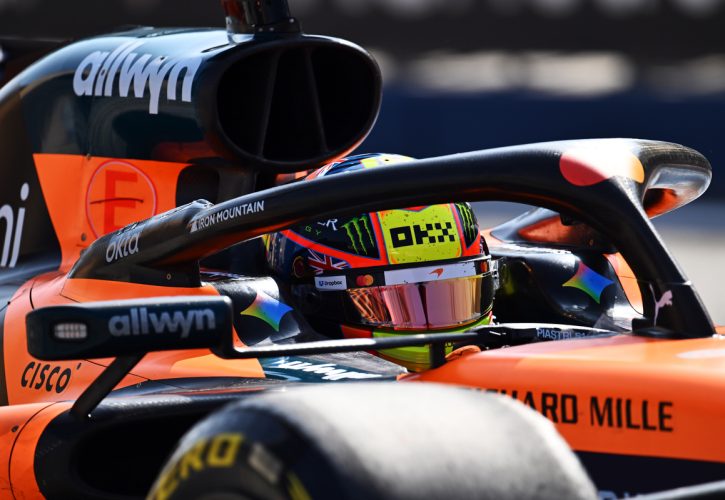
Team principals and engineers say the effects will reach into racecraft and strategy. McLaren’s Andrea Stella and driver Oscar Piastri framed battery harvesting as a tactical weapon and potential weakness across the 24-race calendar, warning that pre-programmed energy strategies will be harder to adjust on the fly and that circuits such as Melbourne and Jeddah could be “harvest-limited.” Teams expect qualifying runs, race stints, car setups and overtaking patterns to change as crews prioritize when and how to use stored energy rather than chasing outright top speed; FIA technical director Tombazis said the FIA would evaluate opening-race data before proposing changes to harvesting or deployment parameters. With Melbourne viewed as an early, practical stress test, teams will be watching reliability, race-window strategies and the on-track spectacle closely as the season opens.
New Player Signup Bonuses