




Mercedes swap delivers double podium at Zandvoort
NXTbets Pro | Published On: August 28, 2026
Mercedes team orders
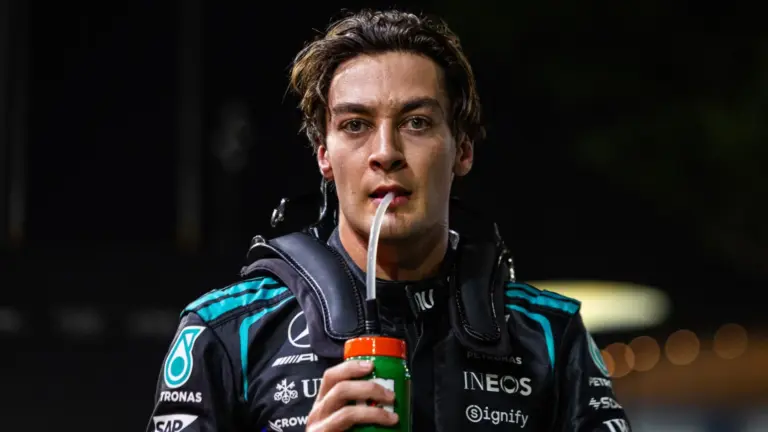
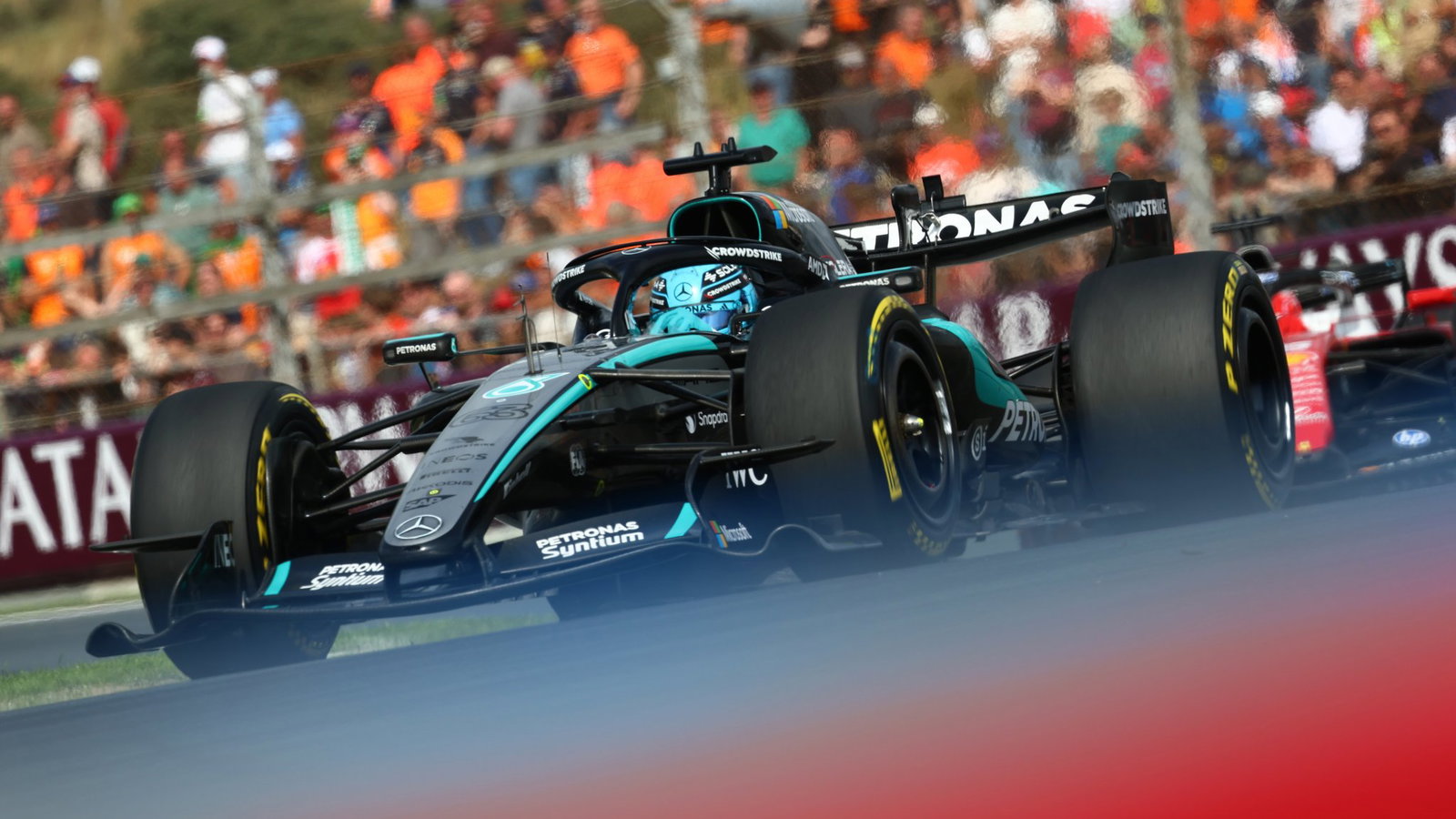
Mercedes entered the Dutch Grand Prix with team orders already on the table, and the plan shaped the key decision at Zandvoort. The team had talked through the possibility in a strategy meeting before the race, then watched George Russell and Kimi Antonelli end up in a direct battle for position. Russell qualified second, but Antonelli got ahead of him on the opening lap. Russell later reclaimed the spot after the pit stops, and the race tightened again when a virtual safety car came out on lap 55. The resulting pit stops left Antonelli behind Russell on fresher soft tires, which changed the value of every lap and every piece of track position.
Mercedes moved to protect the bigger team result. It told Russell to let Antonelli through and then focus on defending third place. The goal was simple. Mercedes wanted to keep Antonelli from losing time behind Russell because overtaking was hard at Zandvoort. The team also looked at other options and passed on them. It considered a tow and Overtake Mode, but the gain was too small and the risk was too high. Mercedes also rejected a more complicated plan built around energy deployment for Russell. That option carried more uncertainty and raised the chance of the cars getting in each other’s way. The call was designed to give both drivers the best shot at the podium, and Mercedes treated the swap as the cleaner play once the race reached that stage.
Russell and Antonelli
The decision worked on the scoreboard. Kimi Antonelli finished second behind Lando Norris, and George Russell took third to give Mercedes a double podium at Zandvoort. Russell did question the instruction at first, then understood why the team made it. The swap let Antonelli run in free air and stopped him from burning time in Russell’s wake, which was the exact danger Mercedes had identified before the race. Once the order changed, the team could bank on both cars finishing inside the top three instead of asking one driver to force a move that the circuit did not make easy.
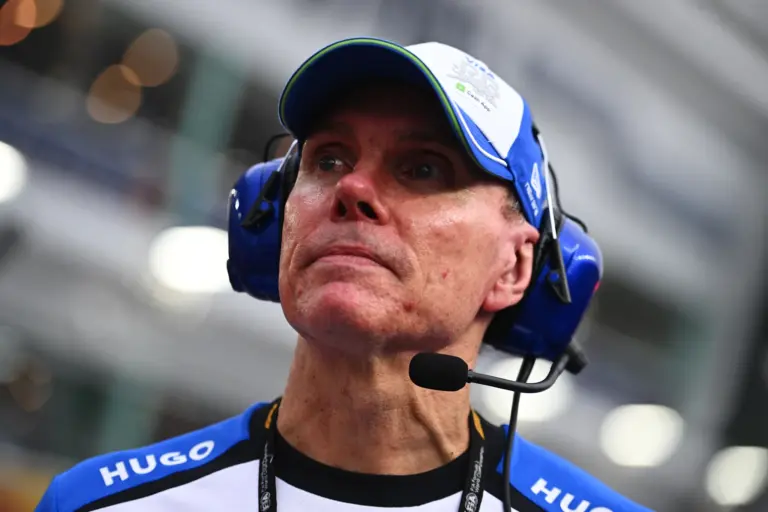
Mercedes deputy team principal Bradley Lord backed the choice after the race and said the team would have made the same call if the drivers’ positions had been reversed. That view matched the way Mercedes approached the entire sequence. The team had already discussed team orders before the Dutch Grand Prix, and it carried that plan into the pit-stop phase once the race situation demanded action. Russell had been the higher starter after qualifying second, but the opening-lap shuffle and the later safety-car period changed the picture. Mercedes responded by putting the team result ahead of the order of the cars on track. The end result gave the team what it wanted, a double podium built on a call it had already prepared to make.
Russell standings rise
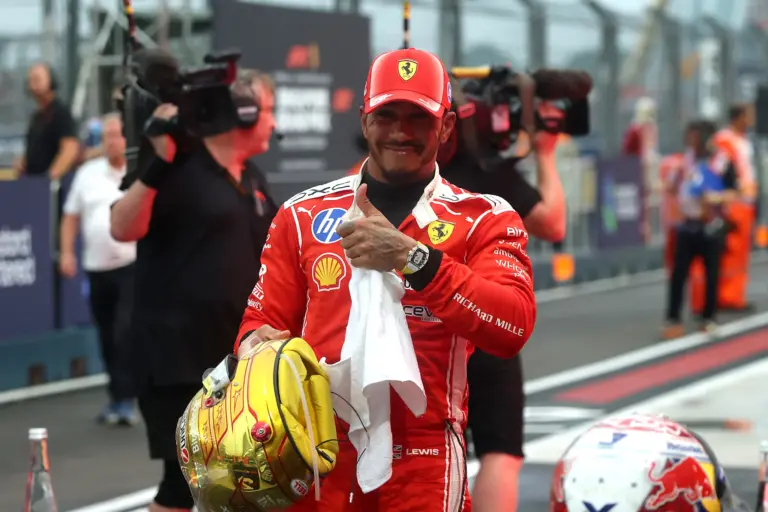
Russell’s third-place finish also moved him up to second in the drivers’ standings. He is level on points with Lewis Hamilton but ahead on wins countback. That shift gives Mercedes another layer to the result at Zandvoort. The team did not just secure two podiums. It also left with Russell in a stronger spot in the title race, and it did so through a decision that had been discussed before the lights went out. Mercedes saw the swap as the right move because it protected Antonelli’s pace and still kept Russell on the podium.
The outcome fits the logic behind the race management. Mercedes had a clear read on the circuit, the pit window and the difficulty of passing. It used that read to avoid a battle that could have cost both drivers more time than it gained. Russell’s final position and Antonelli’s second place showed how quickly the race changed after the virtual safety car, and why the team moved as soon as it did. The double podium was the reward for a call made with track position, tire life and traffic all in view. Mercedes left Zandvoort with the result it wanted and with Russell’s championship position improved as a direct result of the finish.