




Russell pace loss leaves Mercedes searching for Spa cause
NXTbets Pro | Published On: July 19, 2026
Russell deficit investigation
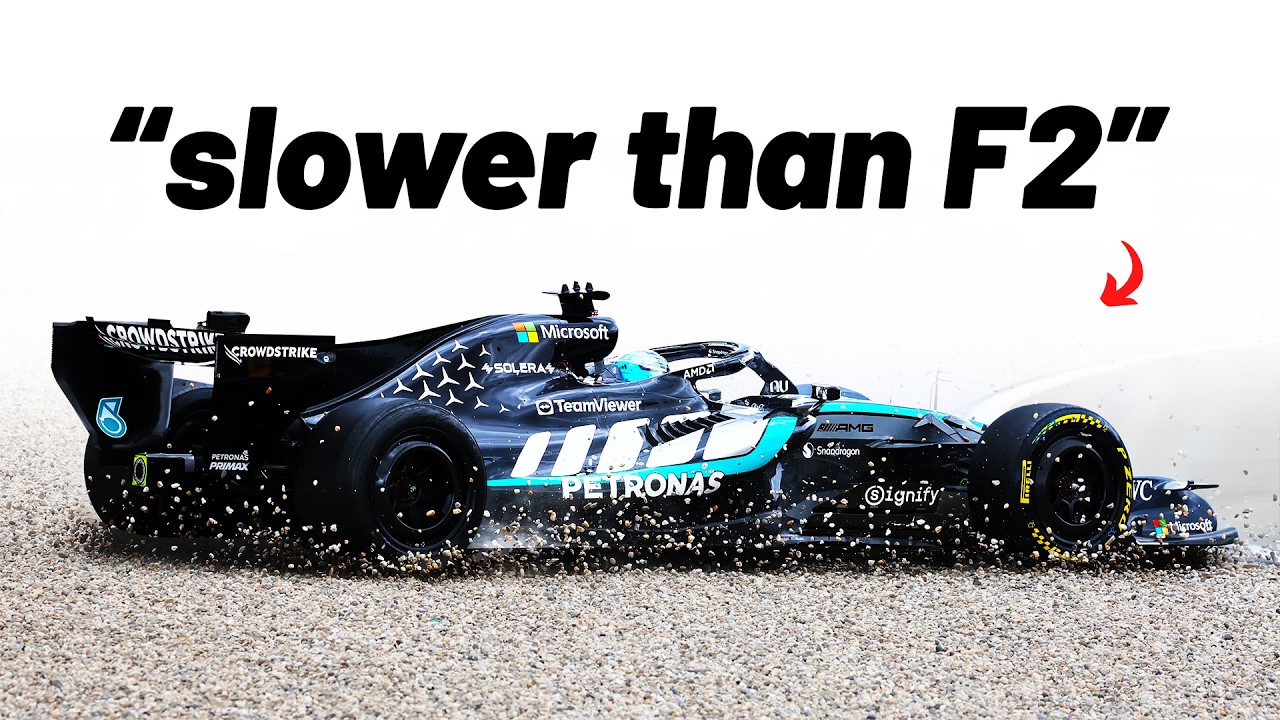
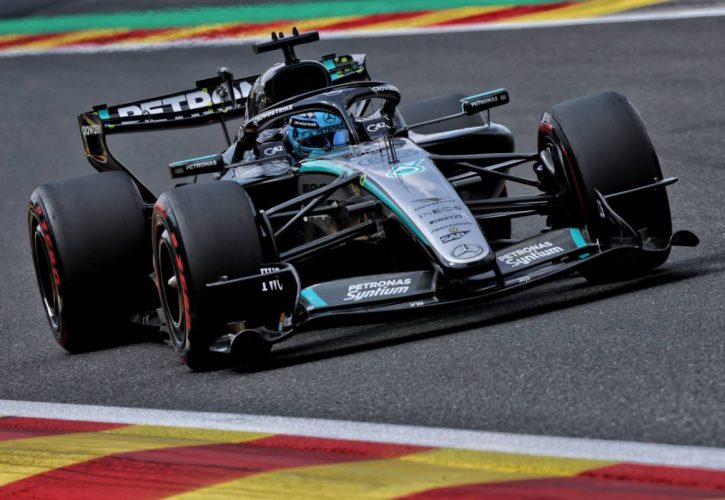
Mercedes is urgently investigating an unexplained straight-line performance deficit that has hurt George Russell at Spa-Francorchamps and left the team searching for answers ahead of race day. Russell qualified fourth for the Belgian Grand Prix, 0.508 seconds behind Kimi Antonelli, and Lando Norris’s penalty moved him up to third on the Sunday grid. The result kept Russell near the front, but it did not hide the problem. He said most of the time loss came on the long straights, where his car has fallen away from the pace the team expects. The issue first appeared at Silverstone, according to Russell, and it has kept costing him time on Fridays and Saturdays since then. He described the situation as “super frustrating,” and the frustration has grown because the team has not found a clean explanation. Russell said attempted fixes and changes to his driving style have not solved it. The problem has now become a priority because it is not limited to one lap or one session. It shows up repeatedly, and it shows up in the same place, on the straight-line runs where speed should be easiest to measure and hardest to hide. Mercedes now has a clear task. It needs to work out why one of its drivers is losing pace in a way that does not fit the rest of the car’s performance.
Spa straight-line pace
Russell said the deficit was severe in Friday practice, when he was losing as much as eight tenths of a second on the straights. By qualifying, he said that gap had narrowed to about four tenths, but the loss still shaped the lap and limited his final position. He pointed to Mercedes’ energy deployment at Spa-Francorchamps, saying it was not working as expected. That detail matters because the straight-line issue is not simply about raw power. It is about how the car puts that power to use over a lap, where battery charging, deployment strategy and the timing of that release can change the speed at key points. Telemetry showed most of Antonelli’s advantage came in the final sector, especially on the straight between Turns 16 and 17, where deployment strategy and battery charging created the speed difference. That kind of detail gives the team a more precise place to look. It also helps explain why the deficit can appear so clearly even when the broader package remains competitive. Russell’s comments suggest the car can still deliver a strong base lap, but the straight-line loss keeps pulling him back in the most damaging parts of the circuit. At a track like Spa-Francorchamps, where long runs to the braking zones can shape the entire lap, that missing pace carries a heavy cost. It trims the margin in qualifying and it can shape the race before it even begins.
Mercedes troubleshooting continues
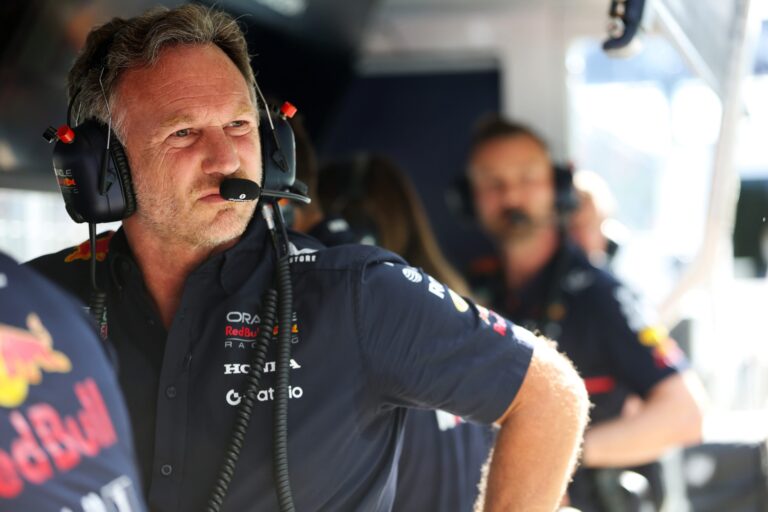
Mercedes has ruled out several obvious causes. The team says brakes, throttle use, driving style and the power unit are not the source of the problem. It also says both drivers are using the same specification of car and power unit, which narrows the search and rules out a simple hardware mismatch between the two garages. That leaves Mercedes focused on how the package is being used, not just what is bolted into the car. Russell said the team’s attempted fixes have not solved the issue, which makes the next steps more difficult because the usual adjustments have already been tried. Andrea Stella added another layer to the picture when he said he noticed a minor deviation in how Mercedes drivers are using the power unit and suggested it may explain Russell’s straight-line deficit. That observation lines up with the telemetry, which showed the difference opening up most clearly in the final sector. It also keeps attention on deployment and battery use, the areas most likely to influence the exact kind of pace Russell has lost. Mercedes does not have a broad mechanical problem to chase here. It has a performance gap that appears in a defined part of the lap and persists across sessions. That makes the investigation both more focused and more urgent. Russell remains in the mix on the grid, but the underlying issue has already shaped his weekend, and Mercedes still has to find out why.