




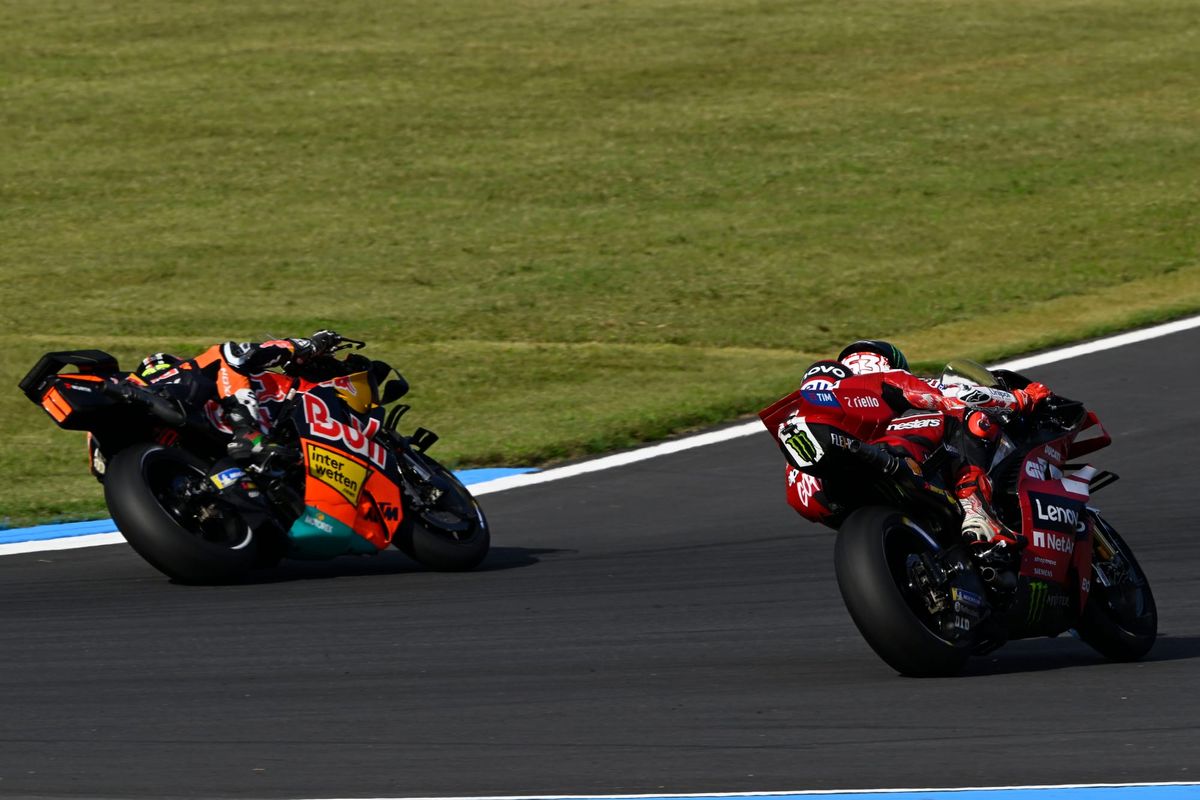
Michelin drops Motegi soft tyre, stops short of mandate
NXTbets Pro | Published On: October 3, 2026
Michelin decision
Michelin cut its softest rear compound from the tyre allocation for the Japanese Grand Prix at Motegi after the sprint exposed clear problems with rear-tyre durability. The company did not go all the way to a mandate, though. It stopped short of making its emergency hard-construction rear tyre compulsory for the race, and riders had to pick between the medium and hard rear tyres. Michelin said the hard rear tyre was strongly recommended because the sprint showed heat and grip issues on the newly resurfaced track. The move came after several riders dealt with rear-tyre blistering and delamination in the sprint. Michelin also said some bikes, including KTM and Honda machines, seemed to handle the conditions better than others, a sign that the track was not affecting every package in the same way. No official change to the tyre allocation had been announced, so the race weekend stayed in a holding pattern even as the hard tyre became the most likely choice for many in the field. Riders still had a clear split in front of them, between the medium and hard rear tyres.
Sprint damage
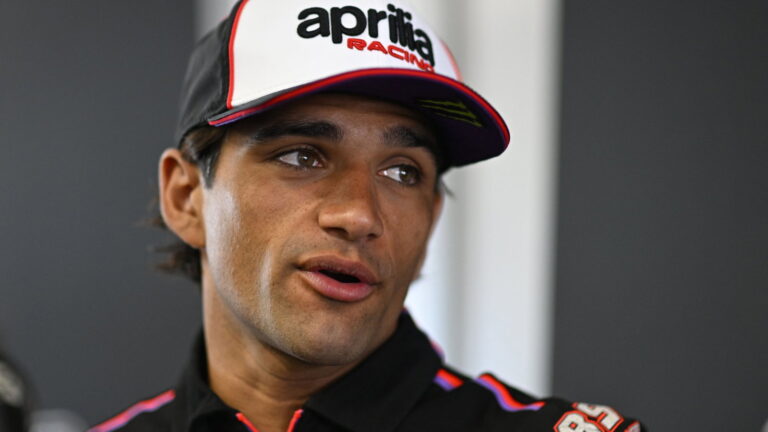
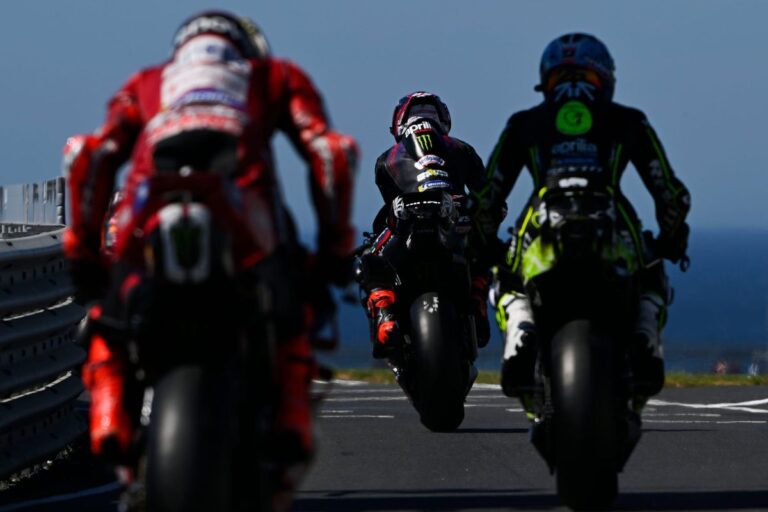
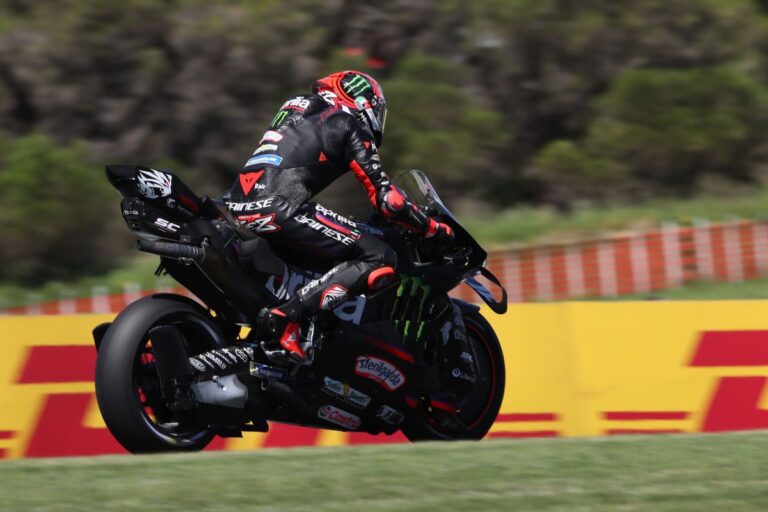
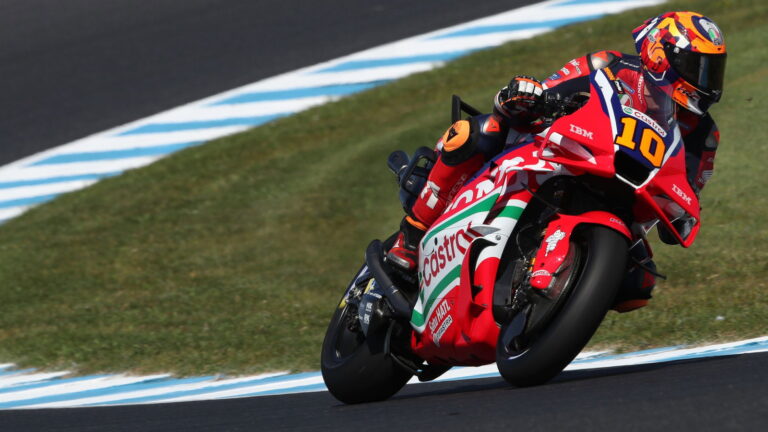
The sprint made the problem hard to miss. Multiple riders lost rear-tyre performance at Motegi, and the soft compound took the brunt of it. Francesco Bagnaia retired with one lap remaining after his rear tyre visibly delaminated before he pitted. Jorge Martin stayed on the podium, but his Aprilia shed pieces of rear bodywork after his tyre disintegrated, and he lost time late in the race as the tyre went away. Those incidents framed the issue for the rest of the paddock, because the failures were not limited to one rider. Several riders suffered severe tyre degradation. Jack Miller was among those hit. He said his medium tyre blistered heavily after he finished 16th in the sprint, a result that sharpened his warning about what the race could look like if the hard tyre became the only answer. Marc Marquez took a different view and said the soft tyre could still work. Fabio Quartararo also leaned the other way, saying he would prefer the soft tyre if given the choice. Those reactions showed how much the Motegi surface had split opinion inside the garage area. The tyre issues were severe enough to put every option under scrutiny, from compound choice to the way the bikes were set up for the full race distance.
Rider reaction
Miller put the strongest language on the table when he said blistering on both the soft and medium rear tyres at Motegi could force MotoGP to make the hard rear tyre mandatory for the race. He said that would turn the event into a “lottery.” That line summed up Miller’s concern about a tyre that gives riders a chance to attack without losing control of the rear end. Miller said a longer warm-up might be needed if the hard tyre were used in the race, another sign that the option that protects the tyre can also change the feel of the bike in the opening laps. If the tyre allocation did change, the other options discussed were a flag-to-flag race with a mid-race pit stop or a shorter race distance using the medium tyre. That left the race picture open, but only within a narrow frame. The hard tyre remained the clear reference point after the sprint damage, yet the soft tyre still had supporters and the medium remained in the mix for riders trying to find a middle ground. Motegi pushed the field into a strategic decision that sat at the center of the race, with Michelin recommending caution and riders debating how much risk they could accept.