




MotoGP warns riders could face first fines for missing Hero Walk
NXTbets Pro | Published On: October 12, 2026
Hero Walk fine
MotoGP drew a hard line on rider appearances away from the track, introducing a €5,000 fine for missing promotional events such as the Hero Walk. Riders had to spend at least 10 of the 20 required minutes at Sunday morning activities of that type, and the series had told teams about the policy ahead of the Indonesian Grand Prix at Mandalika. The move put a formal price on a part of the schedule, and MotoGP said it wanted stronger compliance from riders at fan-facing events.
The new policy was aimed at preserving direct contact between riders and fans. MotoGP also said it was meant to support the championship’s image and growth. That made the rule about more than a single walk-through or photo line. It gave the promoter a tool to push riders into events that help sell the sport beyond race day. Some riders reportedly had not met the minimum participation requirement and could receive the first fines. Others took part in fan activities in the VIP Village and pit lane.
Steward panel role
MotoGP’s new approach came with limits on who could punish a rider and how far those punishments could go. Repeat violations could bring higher fines and tougher penalties. Sporting sanctions could also be added later, but MotoGP had not defined those penalties yet. The championship’s rules already covered riders’ promotional obligations and allowed financial sanctions and other penalties, but any disciplinary punishment had to come from the FIM MotoGP Stewards Panel, not the promoter. MotoGP could report noncompliance and start the process. It could not decide sporting sanctions on its own.
That distinction mattered because the sport wanted the rule to hold up under scrutiny. Any fine had to be clearly identified as either a contractual penalty or an FIM disciplinary measure. Each case still required proportionality, due process and clear rules about which event regulations applied. In practice, that meant the first response might be a financial hit, but the pathway to deeper punishment ran through the stewards. MotoGP had built the policy around attendance, yet it had also left room for formal review before the sport escalated. The setup also put guardrails around how the promoter’s leverage could be used.
Marquez criticism
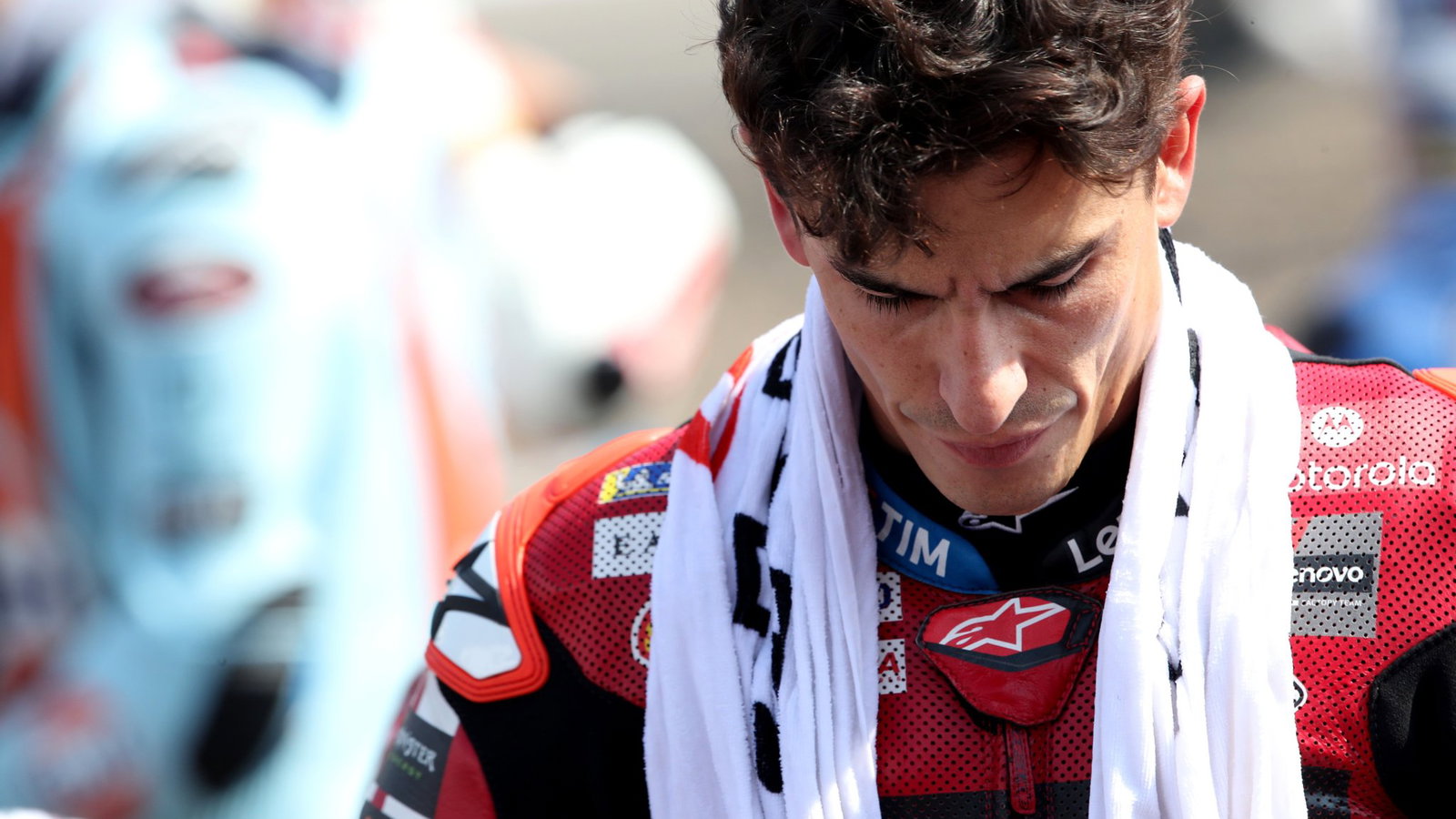
Reigning champion Marc Marquez pushed back after finishing sixth at the Indonesian Grand Prix. He said riders already had too many obligations, and he questioned whether MotoGP was asking too much from them off the bike. Marquez supported helping the series grow, but he said there were other ways to do it without adding pressure on riders. His comments cut straight to the tension at the center of the new rule. The rule sought to keep riders visible in front of fans, while Marquez wanted the focus to stay on racing.
He put that view plainly. “the show should be on the race track, not outside it.” His criticism challenged the method rather than the goal of growing the sport. The policy set expectations, the stewards had authority to impose disciplinary punishment and riders could face a financial cost for missing the sport’s promotional front line.