



NASCAR warns teams at Talladega over minimum speed, holds off on black flags
NXTbets Pro | Published On: October 28, 2026
NASCAR warning at Talladega
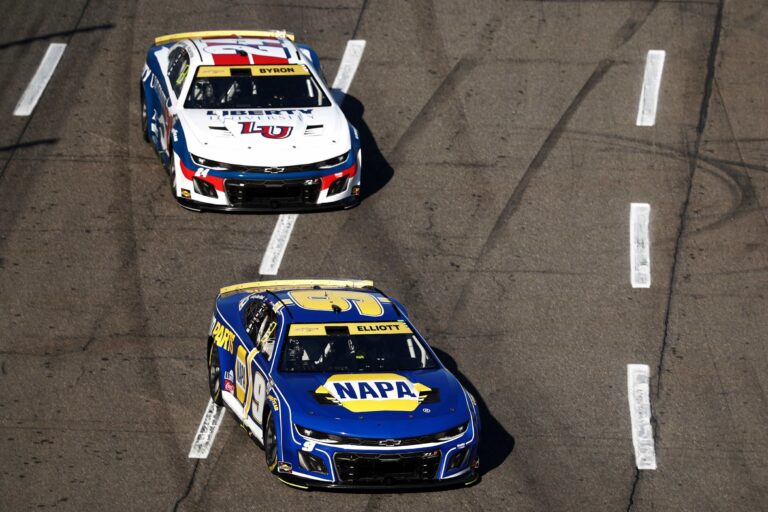
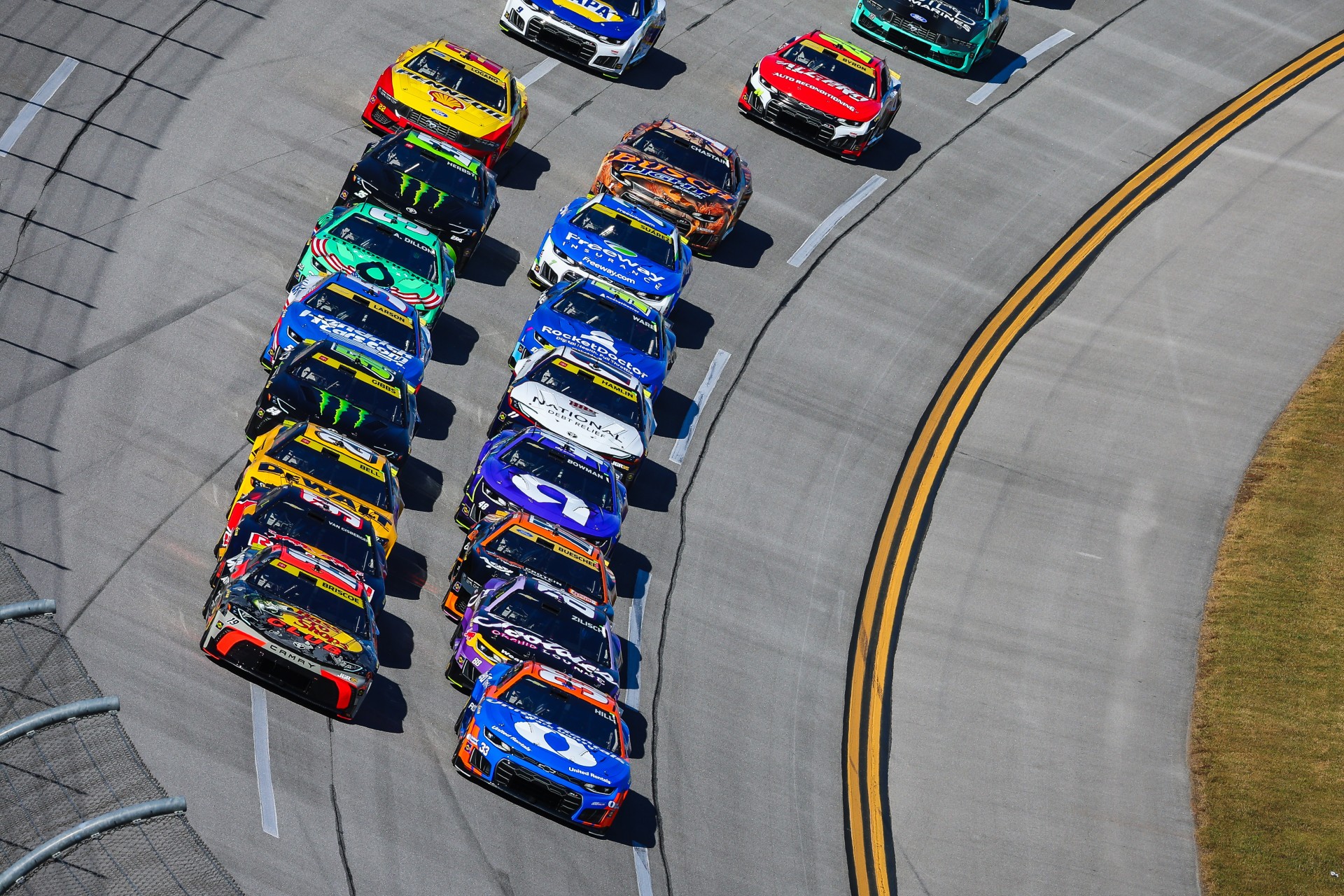
NASCAR warned most of the Cup Series field about minimum speed during the first stage at Talladega Superspeedway, then gave teams time to respond before taking any further action. The warning came as drivers leaned hard into fuel-saving strategy, a pace that dropped the cars to around 160 mph in Stage 1. NASCAR relayed the message through its Microsoft Teams chat system, making the instruction clear across the garage and to every team still trying to balance speed, track position and fuel. The issue centered on whether the field could stay above Talladega’s set minimum while also preserving fuel in a race that naturally pushes teams toward conservation. The pace slackened enough that NASCAR had to step in and remind teams of the threshold, but the warning itself turned out to be the full extent of the response. Once the message went out, the field quickly adjusted. The sequence put the focus on a familiar Talladega tension, where drafting, strategy and caution can pull the pack in different directions, and where race control has to decide how much leeway to give when the cars are running slower than expected.
Talladega minimum speed
Talladega’s minimum speed was set at 12.5% under the pole-winning lap of 186 mph, which put the number at 162 mph. That mark gave NASCAR a clear baseline to judge the field against when the cars slowed. Mike Forde said 75% of the field was below minimum speed at one point, which shows how widespread the problem became before the warning reached the teams. Talladega often produces a race where the pack moves as one, and that makes it harder for individual teams to separate themselves from the flow of the race. In this case, the minimum-speed issue spread across the field quickly enough that NASCAR chose to address everyone at once and then let the teams correct course on their own.
Mike Forde on caution
Forde said NASCAR generally preferred to give teams the benefit of the doubt. He also said the timing of a black flag is left to NASCAR’s discretion, which gives race control room to judge the situation in real time instead of reacting immediately. The result was a controlled reset rather than a penalty-heavy response. The sequence also showed how quickly a fuel-conscious race can move from acceptable strategy to a situation that needs a formal reminder.