




NASCAR Swear Jar Hits 468 Profanities, $2,340 Pot
NXTbets Pro | Published On: September 15, 2026
Swear Jar campaign
NASCAR had turned driver profanity into a running cash pot, and the number was climbing. The sanctioning body launched its Swear Jar campaign at Darlington Raceway and set the rules at $5 for every tracked curse word heard during the 10-race Chase for the Cup. The goal was simple. Every expletive added to the prize money, and every race gave fans another chance to track the running total through NASCAR’s in-app campaign. That approach also turned the promotion into a weekly guessing game. Fans could predict the top swear and the total count each race for a shot at the full pot at Homestead-Miami Speedway, where the contest was set to wrap up with the Cup playoffs. Entry deadlines came before the postseason finale in Miami, which kept the pressure on from the start of the campaign through the finish.
The early response had been large. NASCAR said the in-app profanity push generated 974 million earned media impressions in its first week, a heavy hit of attention for a campaign built around one of racing’s most familiar sounds. The setup also gave the sport a rare mix of humor and competition. Fans could follow the numbers in real time, drivers kept running the risk of adding to the pot and the money grew every time someone let one fly over the radio or in an interview. The campaign gave NASCAR a clean structure, one curse word equaled one more step toward the final payout, and that formula had become the center of the story as the Chase moved along.
Earnhardt Jr. idea
Dale Earnhardt Jr. added his own twist to the conversation when he suggested NASCAR should attach each tracked curse word to a driver’s name. That would turn profanity into a standings race, with each driver carrying a separate total and each radio burst changing the picture in the same way a lap lead or stage point might. The idea gave the Swear Jar a more direct link to the drivers who were actually producing the language. NASCAR had always lived in that space between polish and raw emotion, and radio chatter could capture both in a few seconds.
The irony was hard to miss. NASCAR once penalized Earnhardt for profanity during a live post-race interview after his Talladega win, so the same voice was now discussing a profanity tracker after having been on the wrong side of the rulebook. That history gave the joke an edge, and the suggestion shifted the focus from punishment to competition. By turning the language into a scorecard, he linked the idea more directly to the drivers producing it, which fit inside the Swear Jar campaign.
Profanity totals
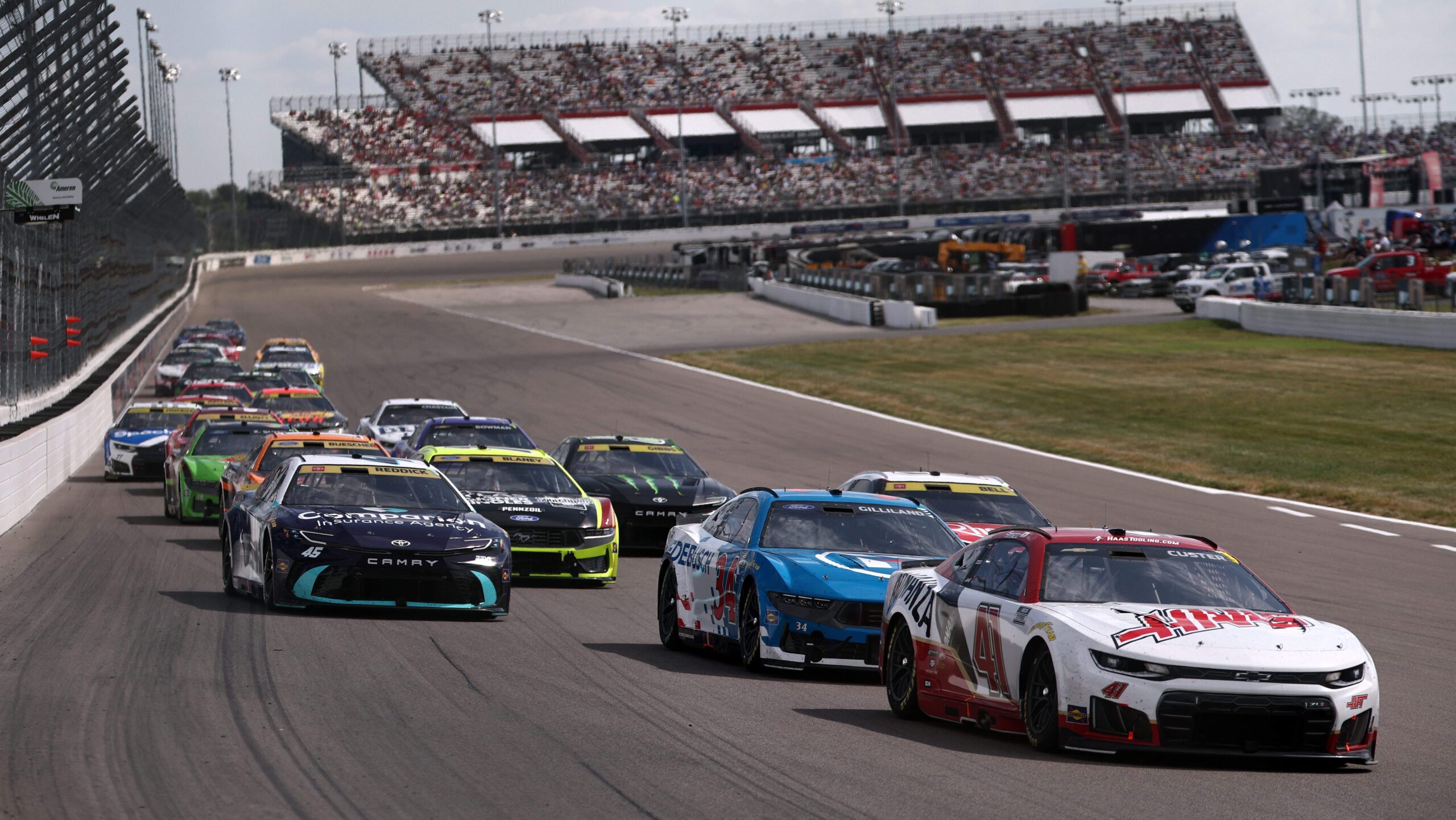
The numbers had already given the campaign a clear shape. NASCAR’s tracker had reached $2,340, which meant the count had already produced a sizable pot before the Chase reached its finish. The most common expletive so far had been “f-ck,” with 235 uses, and the full count had climbed to 468 profanities. NASCAR also said it had counted more than 450 expletives on driver radios since the promotion started. That kind of total showed how quickly the tally could move from one race to the next, and it gave fans a live measure of how often tempers, frustration and adrenaline spilled over the airwaves. Darlington had produced 223 curse words the previous week, then the Gateway race at World Wide Technology Raceway added 245 more to the tally. Those two stops alone showed how fast the pot could swell when the field got busy and the conversations got heated.
There were still eight races left in the Chase, so the final number was far from settled. The weekly prediction game kept the focus on both the top swear and the overall count, which gave each race two separate layers of interest. One was the raw total. The other was which word showed up most often. That structure had already given the campaign a clear front-runner in “f-ck,” a clear running sum in the pot and a clear path to the final reward at Homestead-Miami Speedway. NASCAR wanted a promotion that would move with the rhythm of the season. The Swear Jar had done that, one radio burst at a time.