



Phoenix Raceway dogleg to get NASCAR changes
NXTbets Pro | Published On: October 24, 2026
Phoenix Raceway dogleg changes
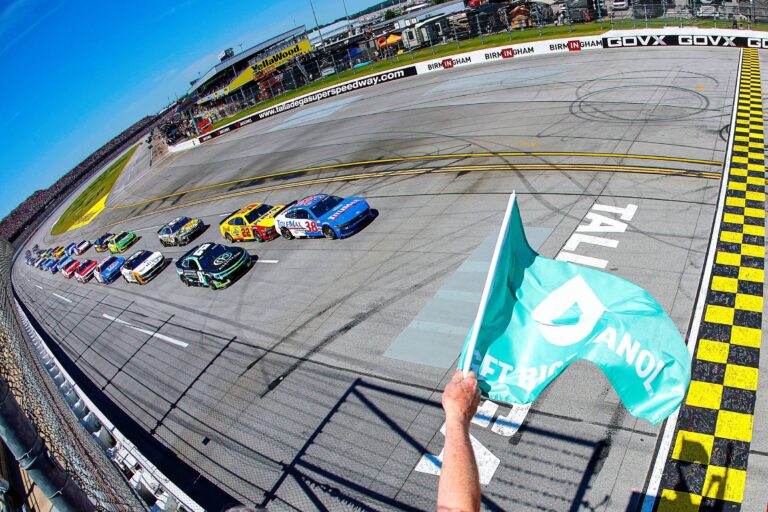
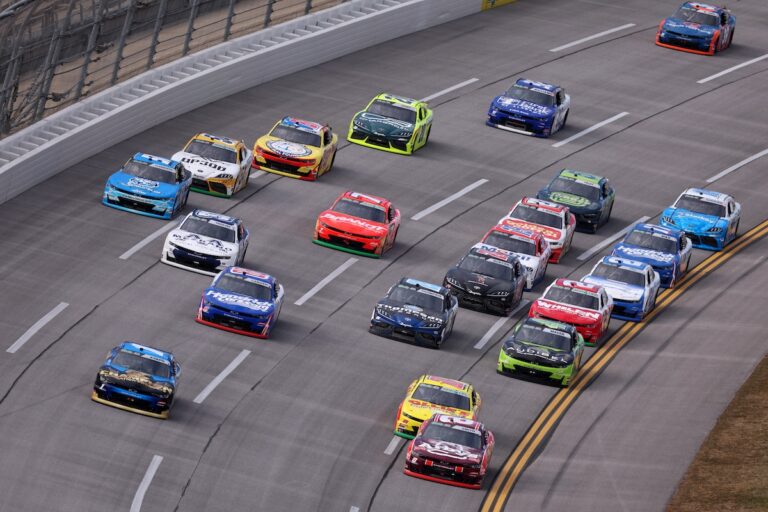
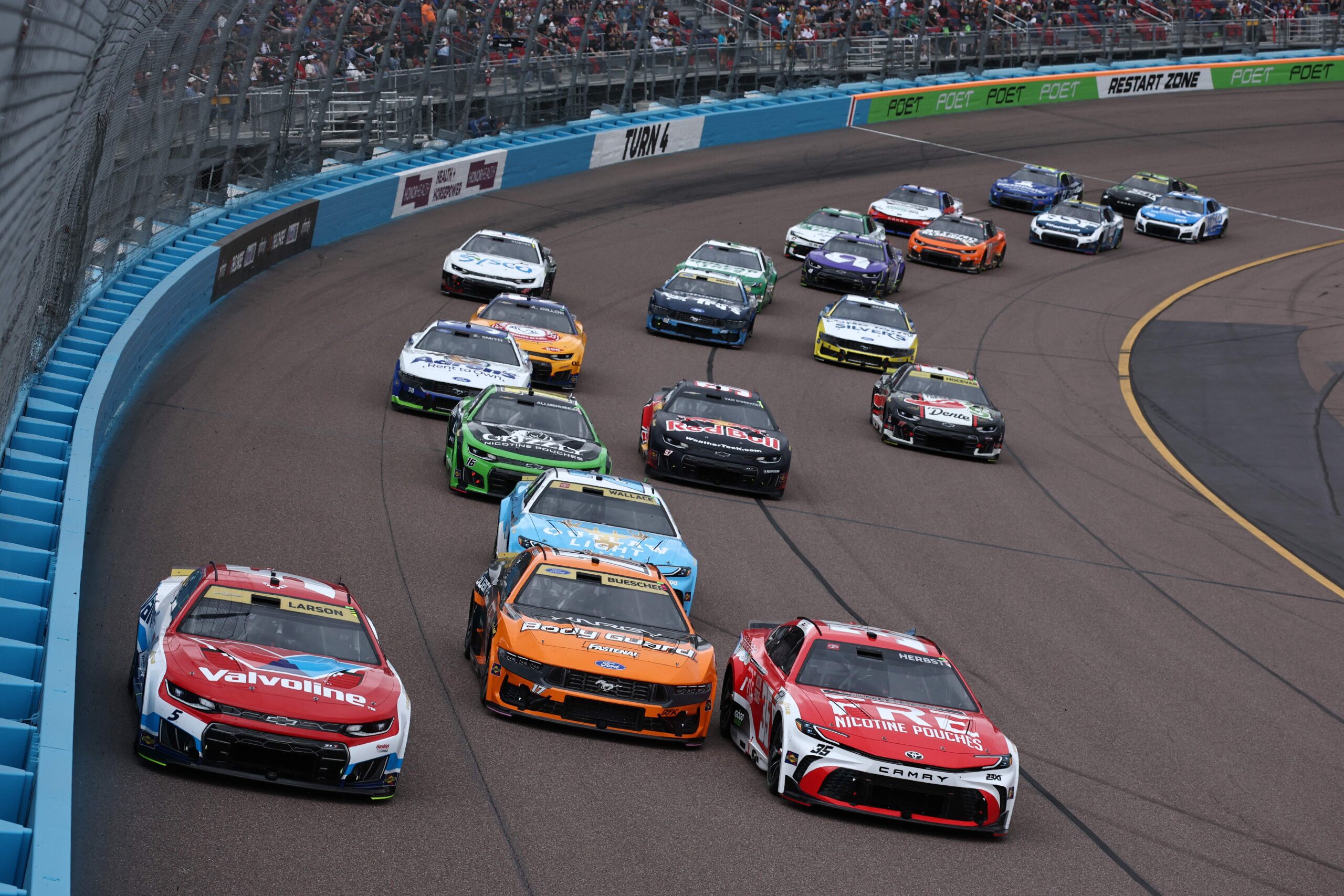
NASCAR is planning to soften the dogleg shortcut at Phoenix Raceway, a change aimed at taking some of the violence out of the transition from the banking to the apron without taking the shortcut away. Officials said data pulled from drivers’ mouthpieces showed the drop was producing uncomfortable and potentially harmful g-forces, and the series wants to smooth the banking so the move into the apron is less jarring. The shortcut has become one of the defining features of racing at Phoenix, shaping chaotic restarts and opening up passing opportunities in the process. That balance is why NASCAR is leaning toward a modification instead of a full removal. The series wants the corner to stay aggressive and useful, but it also wants to reduce the physical punishment drivers take when they cut through the dogleg. The issue has been on NASCAR’s radar, and the dogleg has become a central piece of the racing product. The dogleg gives drivers another lane to attack and forces split-second decisions on restarts, but it also asks a lot of the car and the driver when the line drops sharply from one surface to another. NASCAR’s fix is expected to target that transition first and preserve the shortcut’s role in the race second.
Driver reaction to shortcut
Several drivers have backed NASCAR’s plan to change the dogleg, and their comments line up around the same theme, the shortcut works, but it hits hard. Bubba Wallace, Christopher Bell and William Byron all said the section is rough on the body and supported altering it. Wallace was the most direct about how he would like to see it handled, saying he would prefer the area be made grassy so drivers could not cut it at all. That view captures the tension NASCAR is trying to manage. Some drivers want a cleaner solution that removes the shortcut altogether. Others accept that the feature adds to the racing, even if it creates a harsh ride. Tyler Reddick said seat setup matters in how the dogleg affects drivers, a reminder that the impact is not the same for everyone in the field. The way a car is built and positioned can change how much abuse a driver feels when the car drops through the transition. Joey Logano also framed the issue from both sides. He said the dogleg is painful, but he also called it a key part of the track’s appeal. That split view helps explain why the debate has lasted. Drivers can dislike the hit they take and still appreciate what the shortcut does for the race once the green flag drops.
NASCAR fix and timeline
NASCAR is committed to making a change, and the next step is to work through the details with drivers, teams and engineers. The series is expected to discuss possible fixes in the coming months, giving it time to shape a plan that addresses the physical load without stripping away the feature that makes Phoenix unique. That goal fits the larger aim at Phoenix, where the dogleg has become part of the race’s identity rather than a side note. The goal is to keep the chaos that helps create restarts and passing chances, while making the path less punishing on the body. That leaves the series trying to fine-tune a track feature that already matters to the outcome of the race. Those conversations will shape the final plan. For NASCAR, the challenge is clear: keep the dogleg useful while making it less brutal at the same time.