




Graham ‘Sid’ Cassidy, surfing administrator, dies at 78
NXTbets Pro | Published On: October 11, 2026
Cassidy and Surfabout
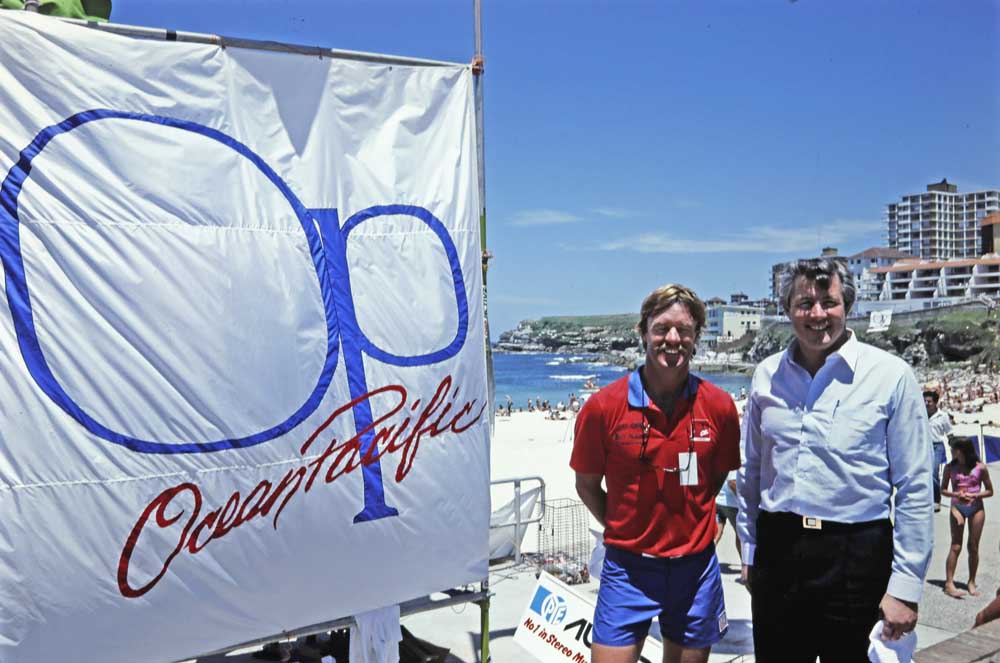
Graham “Sid” Cassidy died at 78 after a career that helped shape professional surfing from the ground up. He began as a journalist, then moved into the sport itself as a contest organizer and administrator. That shift put him at the center of a period when surfing was changing fast, from a loose scene built around personalities and local events into a more organized professional circuit. Cassidy became one of the people making that change happen. He helped launch the Surfabout contest, one of the early markers of his influence, and he spent years working inside the sport to turn ideas into events, events into structures and structures into a lasting professional framework. His work was not limited to one role or one phase. He moved across the sport as a reporter, promoter and administrator, and each step added to a reputation built on involvement rather than distance. For professional surfing, that mattered. Cassidy was not watching from the sideline. He was helping shape how the sport presented itself, how it organized itself and how it grew into something that could support a wider professional base.
Cassidy and the ASP
Cassidy’s biggest impact came through the institutions he helped build and guide. He co-founded the Australian Professional Surfers Association, a key step in giving surfers a collective voice and a more formal place inside the sport’s business side. He later served as executive director of the ASP, which put him in a central position as professional surfing kept evolving. Cassidy also helped introduce the tiered WQS/WCT structure, a move that reflected the push to organize the sport more clearly and define paths through its competitive system. That kind of work rarely draws the same attention as a result in the water, but it shapes everything around the competition. It determines how events fit together, how surfers move through the ranks and how the sport is understood by sponsors, promoters and fans. Cassidy’s role in those changes showed a steady focus on building something durable. He helped turn professional surfing into a more structured operation without losing sight of the sport’s independent character. His influence reached beyond a single contest or a single organization. It ran through the backbone of the professional game, where rules, tours and associations decide whether a sport can grow in a lasting way.
Cassidy and sponsorship
Cassidy also understood that professional surfing could not expand without money, and he worked hard to win sponsorship for the sport. He pushed surfers toward a more professional attitude and challenged companies he believed were taking from surfing without putting enough back into it. That made him a promoter of the sport, but not a blind one. A 1977 profile captured that tension clearly, describing Cassidy as someone who backed professional surfing while also feeling uneasy about what it might lose along the way. He wanted the sport to grow, to organize itself and to attract support, yet he also knew that growth could pull surfing away from its free-spirited roots. That balance defined much of his work. He was trying to give professional surfing a stable future, but he kept asking what that future should look like and who it should serve. That question followed him through his years in the sport. His legacy sits in the events he helped launch, the organizations he helped build, the structure he helped create and the pressure he put on sponsors and companies to treat surfing as more than a marketing vehicle. Cassidy helped professional surfing become more established, and he did it while keeping a clear view of the trade-offs that came with that progress.