




iRacing Outlaws Pro Series qualifying opens Sept. 21
NXTbets Pro | Published On: September 16, 2026
iRacing Outlaws return
The iRacing World of Outlaws Pro Series will return for the 2026-27 season, and the structure stays familiar for drivers chasing the top spots in Sprint Car and Late Model competition. The series will again put $25,000 on the line for each discipline, giving both classes the same prize level and the same clear target. Drivers with a Class A Dirt Oval license are eligible, and the series will stick with a traditional qualifying model.
That setup gives the event a straightforward path from entry to championship racing. The field will be divided into separate qualifying and championship rosters, so drivers will know where they stand as the series moves forward. The split keeps the Sprint Car and Late Model sides organized as distinct competitions rather than blending them into one open run. It also gives the series a clean framework for both classes, with qualifying serving as the gateway to the championship races.
The format uses defined divisions and a direct route through the system. For drivers, that means the emphasis stays on earning a place through qualifying and then carrying that position into championship competition. The prize money raises the stakes for both classes, but the larger story is the return of the same two-division setup that gives the series its identity.
Sprint Car qualifying
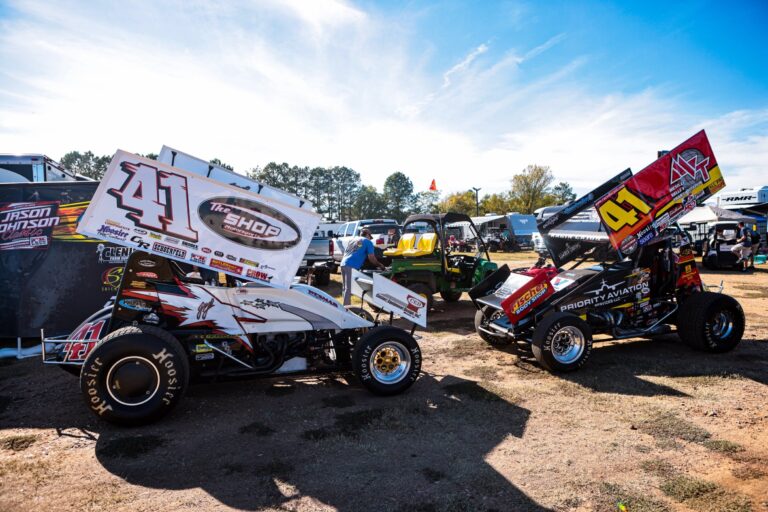
The Sprint Car Qualifying Series opens the road to the championship side of the schedule, and it does so on a weekly Monday rhythm. That matters because the Sprint Car side gets its own lane in the calendar, with races planned for Monday nights and live coverage set for 8 p.m. ET on iRacing social media channels and DIRTVision. The timing gives the series a regular slot for the Sprint Car action.
The Monday format also gives the qualifying process a simple shape. Drivers can prepare for the weekly window, compete under the same model each time and chase a place on the championship roster. The series is not spreading the Sprint Car side across a loose calendar. It is building one focused stretch of qualifying, then moving the best drivers into the next stage. That kind of structure keeps the competition easy to follow and keeps the stakes clear each week.
The Sprint Car side also sits at the front of the overall rollout, which gives it a central place in the series format. It is the first qualifying group to get going, and it sets the tone for the way the rest of the series will unfold. With the traditional qualifying model in place, the Sprint Car rounds are about earning position, building momentum and securing a spot for the championship phase that follows.
Late Model championship
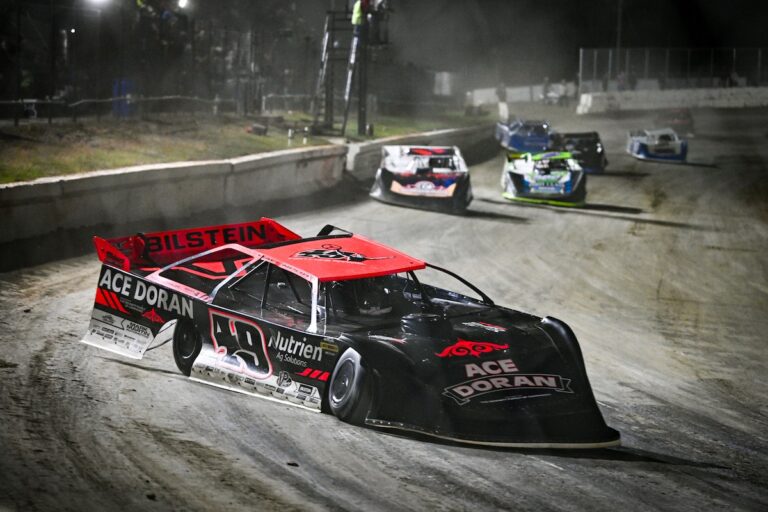
The Late Model Qualifying Series comes next on Thursdays, giving that division its own run of competition after the Sprint Car qualifying window. That keeps the Late Model side separate from the start and lets it move through its own path toward the championship roster. The series is using the same overall framework for both classes, but the schedule gives each one a dedicated place on the calendar. The Late Model side does not share the spotlight with the Sprint Cars. It gets its own qualifying stage and its own route into the title chase.
The championship format is divided into two separate battles, one for the 410 Sprint Car division and one for the Super Late Model division. Each championship will feature five races, which gives both classes a short, defined path to decide the title. That split reinforces the structure of the series. Qualifying is one step, championships are the next, and each division finishes inside its own lane. The result is a clean separation between the two classes and a straightforward path for drivers who advance.
The separate rosters and separate titles make the series easy to track from start to finish. Drivers qualify on their assigned schedule, rosters are set and the championship races decide the outcome inside each division. The format gives the Sprint Car and Late Model groups equal weight, and the five-race championship setup gives each one enough room to settle the competition without stretching the series beyond its core design.