




Red Bull Brought Likely Final 2026 F1 Upgrade to Baku
NXTbets Pro | Published On: September 25, 2026
Red Bull upgrade package
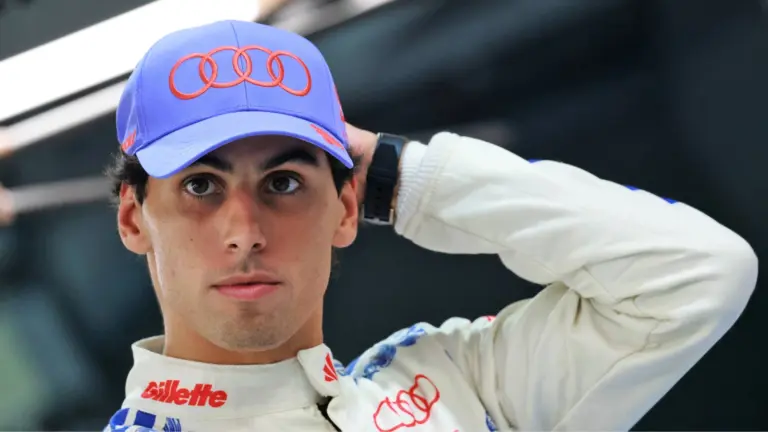
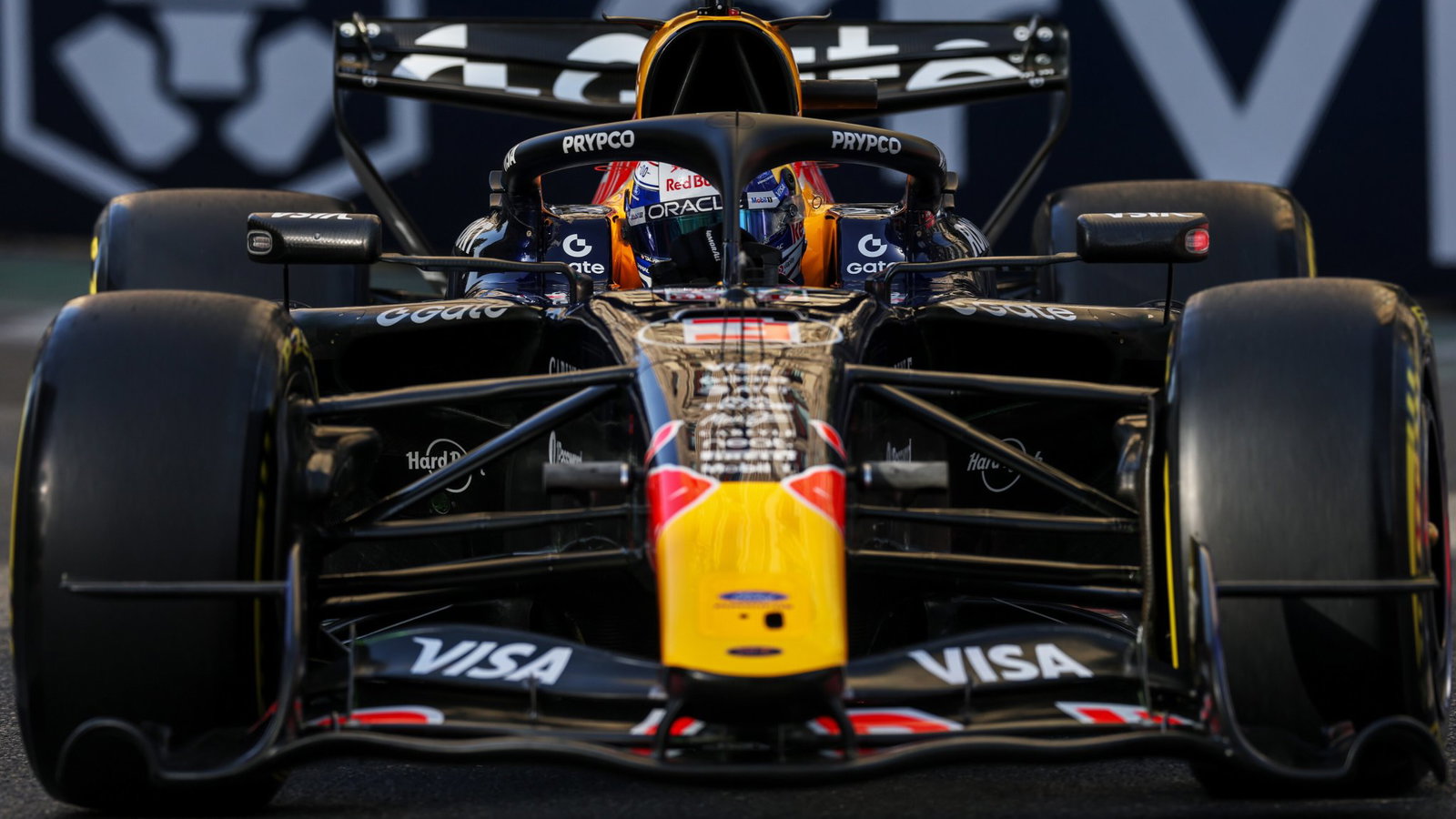
Red Bull brought five updates to Baku and had Max Verstappen and Isack Hadjar set to run them, with Laurent Mekies calling the package most probably the team’s last significant upgrade of the 2026 Formula 1 season. The update list included a new floor, revised sidepods and revised mirror assembly geometry. The team was still chasing its first win of the year, and that helped explain the timing. Red Bull was also shifting most of its development resources to the 2027 car, so the Baku package served two purposes at once. It gave the current car a better chance to stay in the fight and gave the team one more chance to learn what worked before the focus moved on.
Mekies framed the move as part of a larger plan, not a last-minute gamble. Red Bull wanted the remaining races to feed next year’s project, and the latest package fit that approach. The team was trying to keep building knowledge from race weekends instead of chasing one-off gains that did not carry forward. That made Baku more than a single stop on the calendar. It became a test bed for the next phase of the program. Verstappen and Hadjar being set to run the same specification also gave Red Bull a comparison point, since the team could judge the package through two different drivers with the same hardware. For a team that knew its main development push was winding down, that kind of clarity mattered.
Red Bull learning
Pierre Waché said the update performed as expected in Thursday practice in Baku, which gave Red Bull an early read on the new parts under race-weekend conditions. The team did not need a miracle from the package. It needed useful feedback, and Thursday offered that first step. Mekies said lessons from recent races, including feedback from Monza, could carry into next year, which kept the development work tied to a longer horizon. That approach also matched Red Bull’s broader reality. The team was no longer building only for the present season. It was building for what came next, and every clean data point helped.
There was still enough performance in the car to matter. Verstappen had finished on the podium in five of the last seven Grands Prix, a run that showed Red Bull could still score at a high level even while it managed a development shift. Mekies said the team still had work to do to match the fastest cars, so the update did not close the gap by itself. It did give Red Bull another look at where the car stood and what it needed most. That mattered because the team was using the rest of the season to learn, not just to survive. Every lap in Baku could shape the next direction, whether it pointed to balance, airflow or race pace. Red Bull wanted the package to answer questions before it handed the bulk of its resources to the 2027 machine.
Verstappen rear-end issue
The biggest remaining problem sat at the rear of the RB22, where Red Bull was still fighting a long-running degradation issue. Verstappen said he had complained about that rear-end flaw for years, and he said the team could not fully solve it that season. That left the problem as both a technical limit and a planning issue. Red Bull could keep refining the car around it, but it could not erase it in the time left. The Baku updates might improve the package, but they did not change the basic challenge at the back of the car.
That was why the team’s message stayed consistent. Red Bull was chasing learning as much as results. It wanted the remaining races to reveal how far the current car could go and what needed to change for the future. The rear-end degradation issue sat at the center of that effort because it remained a central development concern. Verstappen’s podium run showed he could still deliver strong results even with that weakness hanging over the car. Red Bull, though, knew the limit was there. Mekies said the team still had work to do, and the rear of the RB22 remained the clearest proof.