


RFK Racing ownership clause could complicate Fenway Sports Group’s Cadillac F1 deal
NXTbets Pro | Published On: November 15, 2026
RFK Racing clause
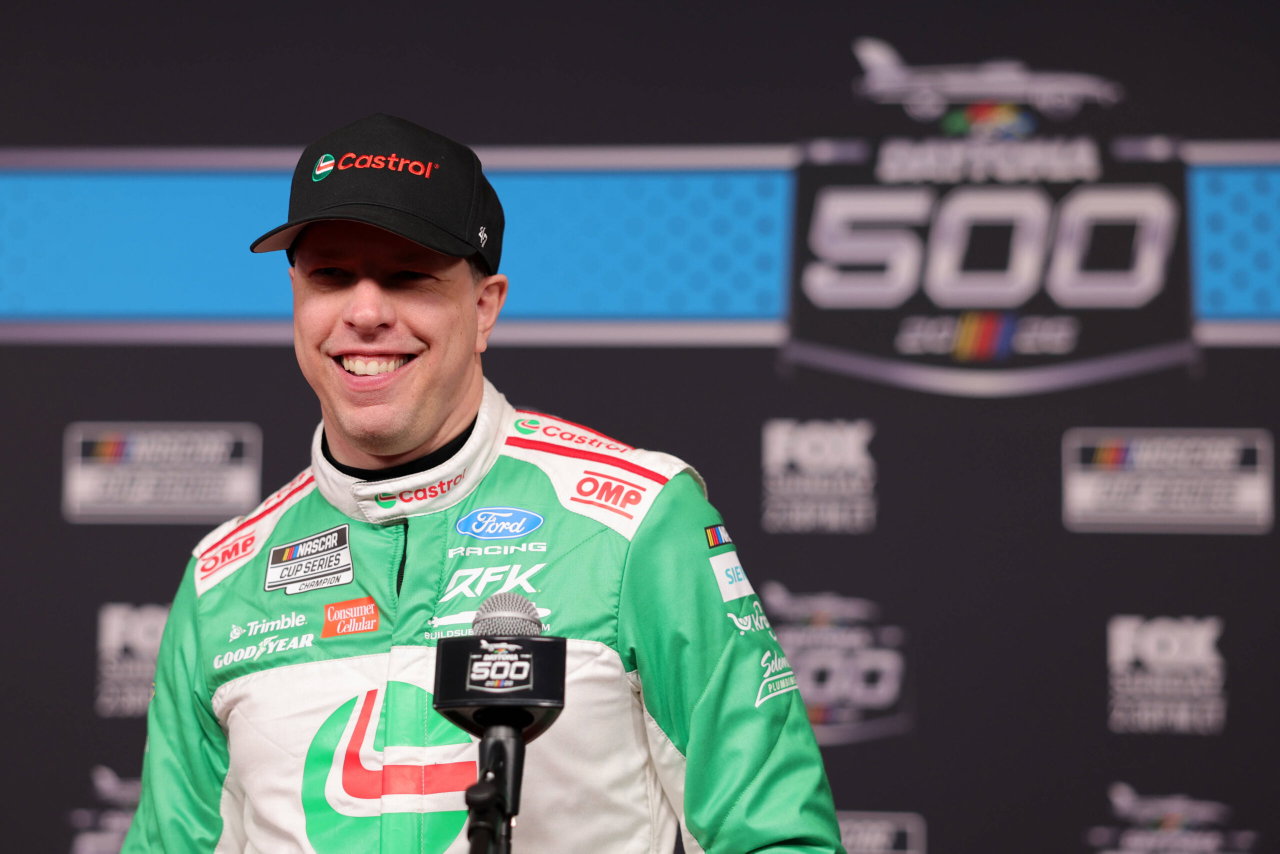
Brad Keselowski’s ownership agreement at RFK Racing sat at the center of Fenway Sports Group’s attempt to buy into Cadillac’s Formula 1 team. Keselowski and Fenway Sports Group needed each other’s permission to pursue motorsports ventures outside NASCAR, which gave the RFK Racing stake direct influence over a separate racing deal. Keselowski owns about 20% of RFK Racing, and he had reached a verbal agreement with the team to unwind that stake. The agreement was still unsigned, so the restriction remained in place. That left the current ownership arrangement in force and tied any outside racing move to the same consent requirement that governed the RFK deal. The result was a tight hold on any new venture beyond NASCAR. Until the unwind agreement was signed, the clause kept Keselowski’s approval at the center of any effort to branch into another motorsports series. It also meant Fenway Sports Group could not treat the RFK structure as a loose formality. The permission issue still mattered before any new investment could move from idea to action.
Fenway Sports Group talks
Fenway Sports Group could continue discussing the Cadillac deal, but signing a purchase agreement without Keselowski’s consent could have violated the current arrangement. That made the ownership clause more than a background detail. The process therefore remained conditional. Cadillac’s Formula 1 operation, backed by General Motors and TWG Global, gave the potential purchase added weight. The deal would have connected Fenway Sports Group to a high-profile racing project outside NASCAR, but the RFK ownership rules stood between interest and execution. In that sense, the clause shaped the entire cadence of the talks. It did not end them. It did define how far they could go before the paperwork at RFK Racing had to be settled first.
Cadillac Formula 1
The Cadillac Formula 1 operation was already drawing heavy interest on its own. TWG Global was reportedly exploring a sale of a significant portion of its interest in the program, and multiple potential buyers were looking at the operation. Mark Walter’s TWG Global was seeking at least a $3 billion valuation for the Formula 1 team, which set a high bar for any investor or partner trying to get involved. That valuation framed the size of the opportunity and the scale of the capital at stake. It also showed why ownership control mattered so much. Cadillac’s program was backed by General Motors and TWG Global, so any change in the investment mix would affect a major project with a large public profile. The presence of multiple buyers suggested real market demand, while the valuation target signaled that TWG Global was aiming high before it would part with a meaningful slice of the team. Against that backdrop, Fenway Sports Group’s interest became only one part of a larger ownership picture. The RFK Racing clause mattered because it sat across from a Formula 1 asset with serious value, active buyer interest and a structure that already involved more than one powerful owner.