




Spanish GP VSC Pit Timing Sparked Fairness Debate
NXTbets Pro | Published On: September 18, 2026
Virtual safety car timing
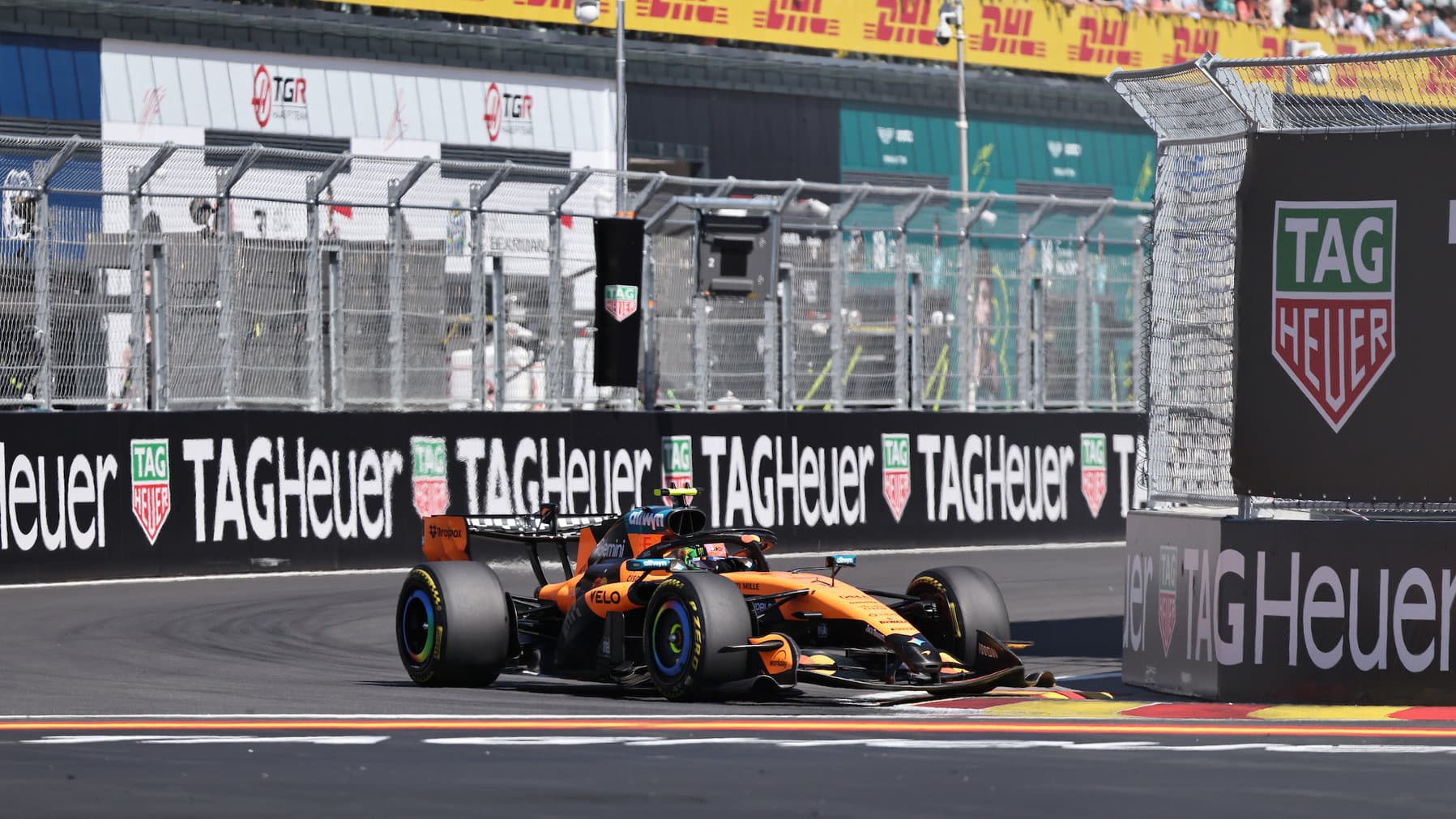
Lance Stroll’s stranded Aston Martin set off the virtual safety car in the Spanish Grand Prix at the worst possible moment for Lando Norris. The caution came just after Norris had passed the pit entry, which left him with little chance to react. Kimi Antonelli and Max Verstappen caught the break and pitted cheaply under the virtual safety car, while Norris paid the price in lost time.
That sequence changed the shape of the race. Norris had started on pole and led early, but the delayed stop cost him track position. A slow pit stop pushed him back to fifth before he fought his way to third. The result left the race defined less by outright pace than by timing, which is exactly why the virtual safety car keeps drawing scrutiny whenever it shifts strategy in a tight window. One small delay in the signal can swing the order for the drivers who happen to be near pit entry and reward those who are in the right place at the right instant. In this case, the timing split the front-runners and gave the race a different feel from the one Norris had built at the start.
Norris and fairness
The complaint from Norris was simple. He said the result was unfair because the rule effectively decided the race. That point carried weight because he had done the hard work to get to the front. He earned pole position, controlled the early laps and still came away feeling that a procedural call changed the outcome more than racing did.
Martin Brundle saw it the same way in blunt terms. He said the outcome felt like a robbery. That view captures the frustration that follows these moments in Formula 1. A virtual safety car is designed to slow the field quickly and safely, but it also creates a narrow and uneven pit window. Drivers who are ready at the right second can gain a bargain stop. Drivers caught just outside the pit lane can lose time through no fault of their own.
That is why this kind of race keeps reopening the fairness debate. The rule works as intended from a safety standpoint, but it can still feel arbitrary from a competition standpoint. Norris lost the chance to defend the lead on equal terms once the caution arrived after he had already gone past pit entry. The gap between safe control and sporting fairness is small, and this race put it in plain view.
Proposed fixes and Madrid
Several fixes have been suggested, but each one brings its own problems. One idea is to freeze the virtual safety car for at least one full lap so every driver faces the same pit window. That would reduce the lottery effect, but it would also create congestion and new complications. Another idea is to close the pit lane entirely during virtual safety cars except for emergencies. Brundle rejected that as a solution, and the concern is easy to see. The exception list could create ambiguous cases and invite fresh arguments.
A third option is to lower the pit-lane speed limit in proportion to the virtual safety car delta. That would try to even out the loss between drivers, but it would also add calibration problems and new questions about how to measure the gap fairly in every situation. Formula 1 can improve the rule, but the facts around this race point to the same conclusion every time. There is no simple fix that removes the lottery without creating a different kind of unfairness.
Brundle also turned his attention to the Madrid circuit. He criticized the layout and said it will need changes to logistics and signage. That adds another layer to the debate around how Formula 1 manages safety, timing and venue planning. The sport can keep refining the details, but this race showed how hard it is to build a system that is both safe and fully fair when the caution hits at the exact wrong second.