



Tony Stewart urged NASCAR to simplify rules, overhaul leadership
NXTbets Pro | Published On: November 10, 2026
Tony Stewart overhaul
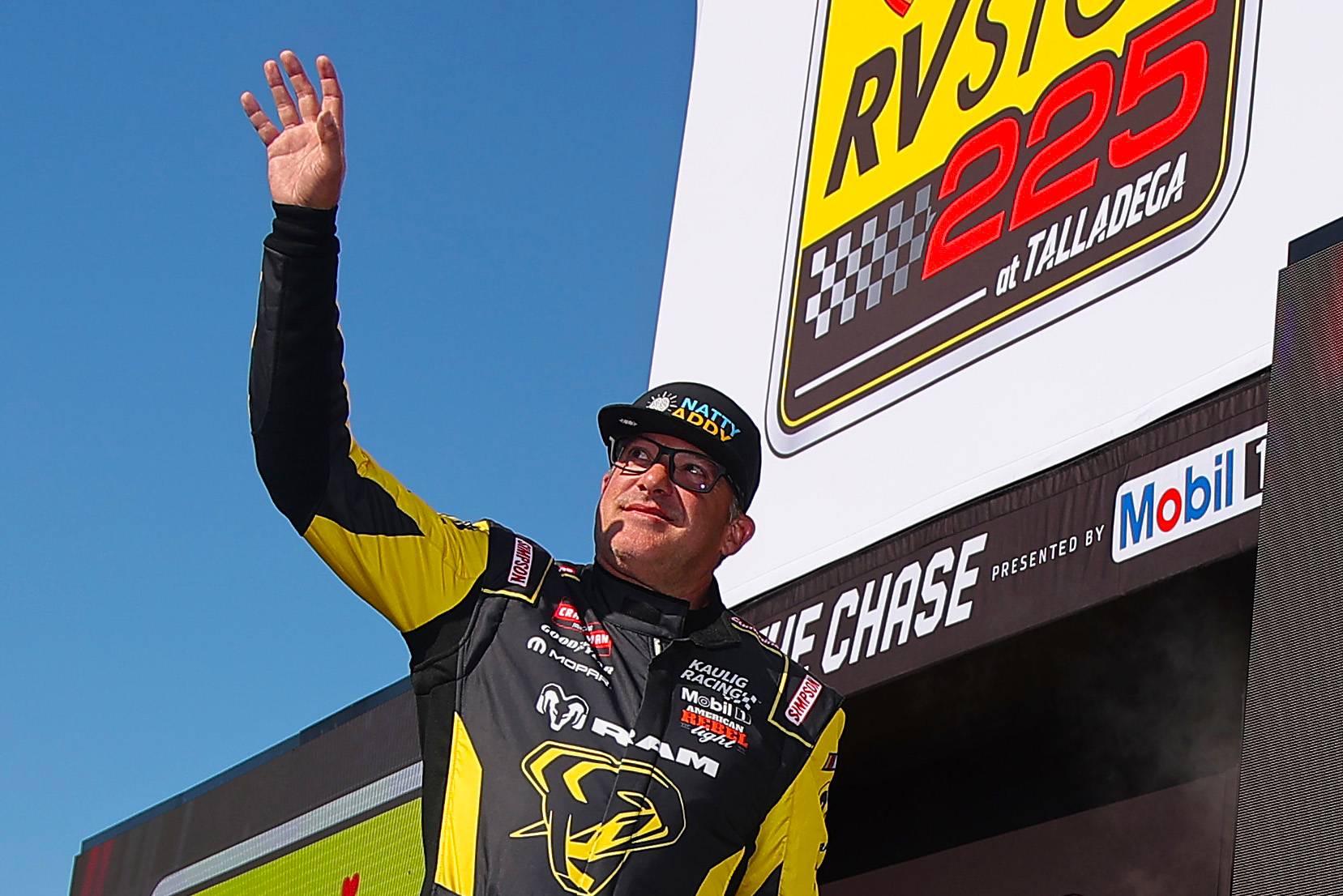
Tony Stewart wanted NASCAR to reset from the top down. He said he would fire all of the sport’s upper management on day one, a blunt verdict that underscored how sharply he viewed the direction of the series. Stewart said NASCAR needed fresh leadership, and he wanted that leadership to understand the sport’s history as well as its present-day problems. He also said some people in management were trying to make a difference but were being “handcuffed” and left without the freedom to act on their ideas. That was a familiar theme in his criticism of the sport. Stewart said NASCAR had drifted away from longtime fans, lost some of its original fan base and needed to find a way to bring those people back. His comments pointed to a wider complaint that the series had become less tied to the identity that made it popular in the first place. Stewart framed the issue as one of leadership as much as policy. In his view, the right people in charge would know how to respect the sport’s roots while making it more appealing to the people who had followed it for years.
NASCAR rules and fans
Stewart’s biggest frustration centered on complexity. He said NASCAR had become too complicated, and he made clear that the problem went beyond the usual complaints about rule changes or playoff tweaks. After being away from the sport for two years, Stewart said he did not understand everything himself, which led him to question how fans were supposed to keep up. He said he struggled to follow some of NASCAR’s current rules, championship formats and competition structure. That complaint cut to the heart of what he saw as the sport’s accessibility problem. Stewart said NASCAR needed to become more relatable again, a sign that he believed the series had drifted too far from the straightforward appeal that once made it easy for casual and committed fans to connect with it. Stage racing, playoff-format overhauls and schedule changes had all made the sport harder for some fans to follow, and Stewart’s remarks tied those shifts to a larger disconnect between the product on track and the people watching it. His message was simple. If a veteran of the sport could not quickly understand the current setup after time away, then the series had put too much distance between itself and the audience it depended on. Stewart did not call for a complete return to the past, but he made clear that NASCAR needed fewer layers and a clearer path for fans to understand what they were watching.
Steve O’Donnell priorities
Stewart’s critique came against the backdrop of NASCAR’s own stated goals. NASCAR CEO Steve O’Donnell said the sport’s priorities included competition, audience growth, international expansion and making NASCAR easier to follow without alienating existing fans. That list showed the challenge the series was trying to solve. NASCAR wanted to grow its reach and bring in new viewers, but it also had to keep longtime fans engaged. Stewart’s comments suggested he thought the balance had tilted too far toward complexity and away from familiarity. That did not mean he rejected change across the board. His criticism was aimed at how those changes had been handled and whether the structure now served the fans who had stuck with the series through its evolution. The broader tension was clear. NASCAR wanted to keep modernizing, expand internationally and sharpen the competitive product. Stewart wanted a sport that felt easier to follow, less cluttered and more grounded in the history that made it matter to so many people. Both sides pointed to the same issue from different angles. The question was whether NASCAR could keep pushing forward without losing the audience that already knew the sport best.