




Verstappen said 2026 Formula 1 cars felt unnatural, restrictive
NXTbets Pro | Published On: September 9, 2026
Verstappen on 2026 cars
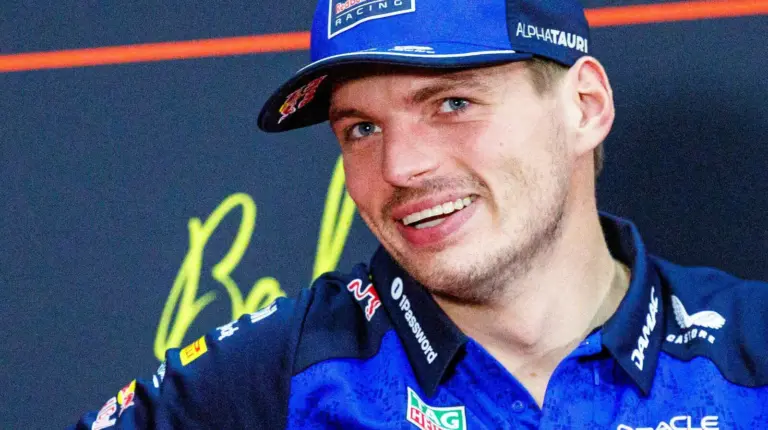
Max Verstappen said Formula 1’s current regulations left the sport in a strange place, with cars that felt too detached from what drivers asked of them. He called the rules “so unnatural” and said the machinery was “numb” to input from behind the wheel. That, in his view, changed the job for the best drivers. Instead of being rewarded for pushing harder at the edge, they felt “held back” by a package that did not give enough feedback or enough separation between the top names. Verstappen’s criticism went to the core of what he valued in a race car. He said these regulations did the opposite of what he valued. They muted the effect of talent and made the cars less responsive to the things that usually decided who stood out. In his telling, the current formula asked drivers to work around the car more than to extract everything from it.
Verstappen on driver input
Verstappen said the problem went beyond feel. He argued the rules changed the way drivers had to build speed, and they moved attention away from the corners. Instead of maximizing corner performance, he said drivers had to think more about lifting, braking earlier and controlling throttle use to gain top speed. He described that compromise as a “choke hold.” That was a strong way to frame the tradeoff he saw in the current package. The driver could not simply attack a lap and trust the car to reward commitment. Verstappen said the rules forced more calculation and less natural pace. He also said the cars responded so little to input that some drivers could become immediately competitive when they jumped into different machinery. That, for him, was a sign of how little the current cars separated the field. If a driver could adapt fast and run near the front after a change, he said the line between elite and merely competitive had become too thin. Verstappen kept coming back to the same point. The best cars should make the best drivers matter most. He said these cars did not do that enough.
Verstappen on examples
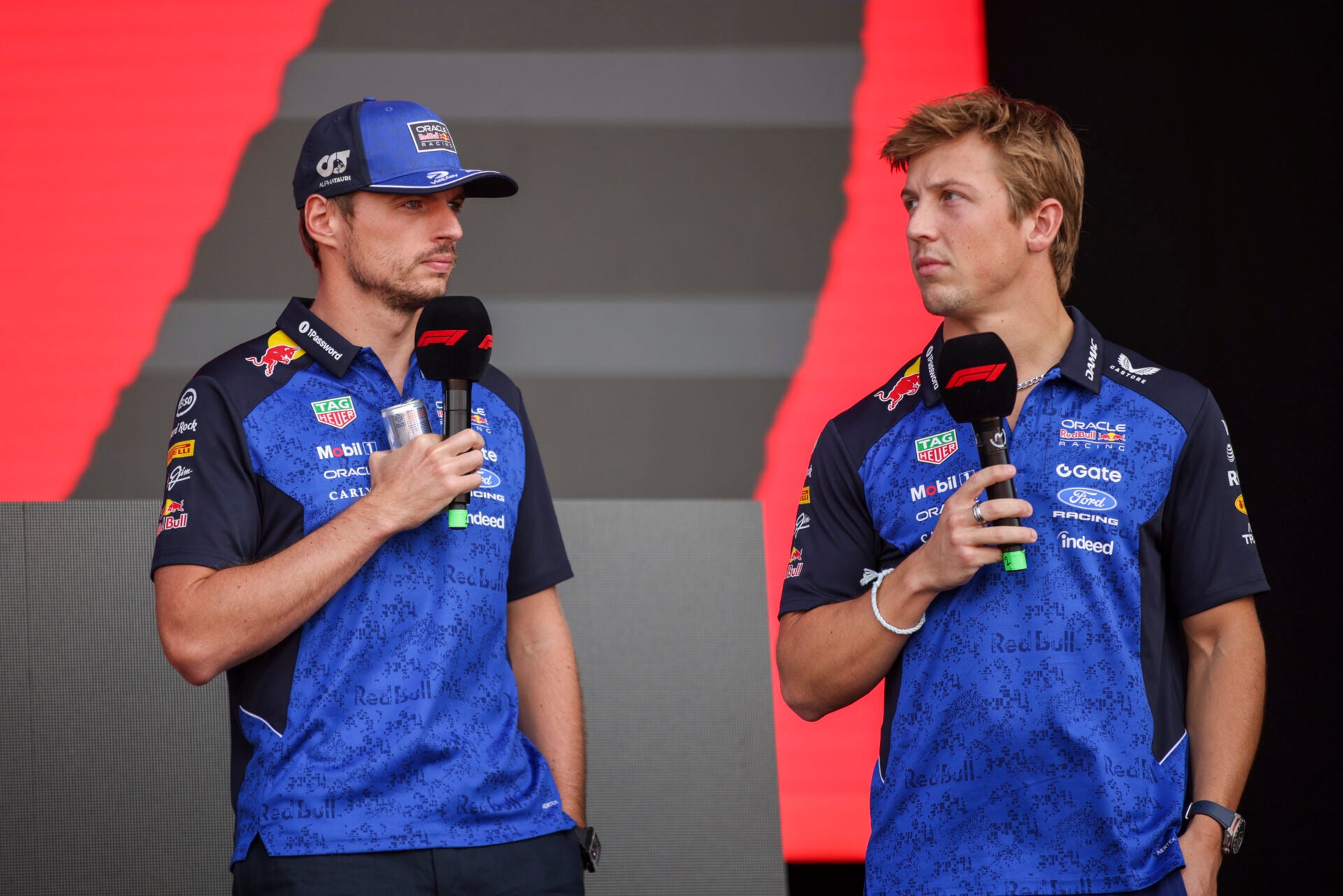
Verstappen pointed to Yuki Tsunoda and Liam Lawson as examples of how quickly drivers could adapt when they changed cars. He said Tsunoda showed immediate pace in the Racing Bulls car at the Dutch Grand Prix and then scored a point in his second outing at Monza. He also said Lawson adapted quickly after moving from Racing Bulls to Red Bull. Verstappen cited Lawson getting within a tenth of him in Dutch Grand Prix qualifying as evidence that a driver could become competitive fast in different machinery. Those examples supported the larger point he was making about the 2026-style cars. If drivers could switch machines and find speed right away, he believed the regulations were not drawing enough of a line between the very best and the rest. The cars, in his view, reacted so little that a talented driver could settle in quickly. Verstappen said the equipment reduced the reward for the most committed drivers and left them with less room to show what they could do. Even so, he said he still loved the sport and hoped the regulations would improve toward 2030.