




Adelaide MotoGP street circuit unveiled for 2027 debut
NXTbets Pro | Published On: August 30, 2026
Adelaide circuit design
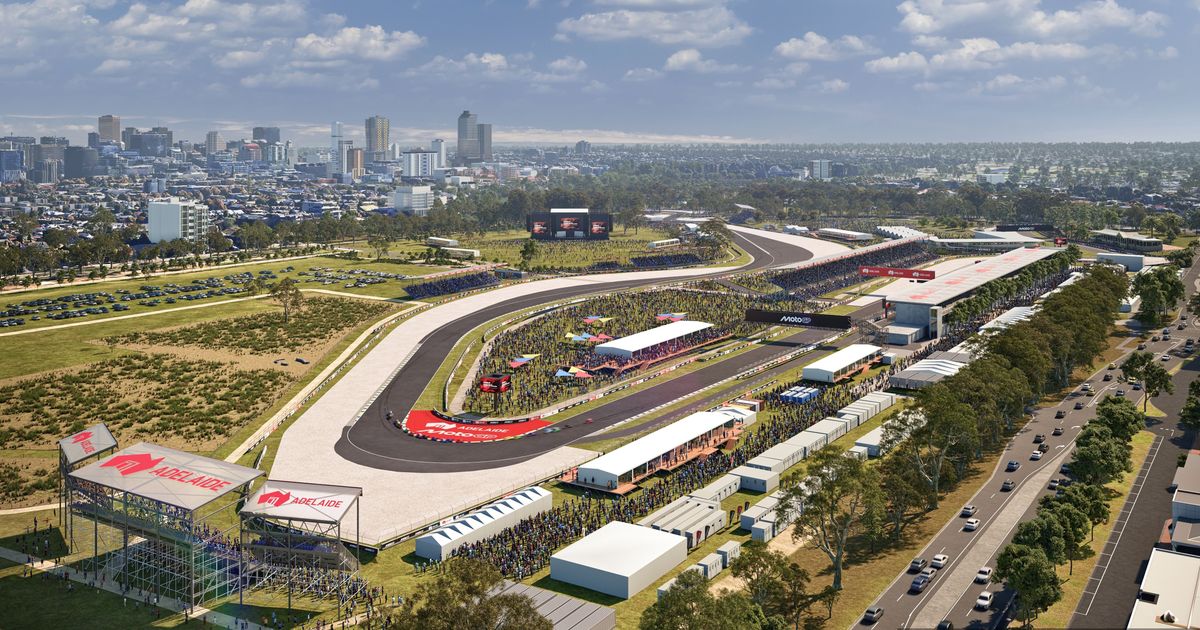
South Australian Premier Peter Malinauskas unveiled the official Adelaide street circuit, a purpose-built MotoGP layout that draws on the city’s racing past while aiming for current safety standards. The track covers 4.13 kilometers and includes 15 corners, with sections that reuse the old Adelaide Formula One course, including Stag Corner, Rundle Road, Brewery Bend and Dequetteville Terrace. The plan was developed with MotoGP, the FIM and Adelaide partners, and the circuit is being pitched as the world’s first city-center MotoGP race. That claim sits at the center of the project. The layout gives Adelaide a street circuit with a clear link to its motorsport history, but it is not a simple copy of the old Formula One route. The design has been shaped to work as a modern race venue, with safety requirements built into the course rather than added later. The mix of familiar corners and updated standards gives the project its identity. It is a street race that looks back to Adelaide’s previous era of major motor racing while trying to fit the demands of MotoGP competition.
Adelaide race impact
The project carries a budget of A$96 million and has been sold as a major event for the city and the state. Malinauskas said the race would draw tens of thousands of visitors and present South Australia to a global audience of more than 630 million people. The numbers around the circuit point to why the race is being framed that way. Simulations project MotoGP bikes reaching about 343 km/h, with premier-class lap times of roughly one minute, 26 seconds. That speed profile fits a layout built for fast racing and hard braking, with the kind of changes in rhythm that define a street circuit. Organizers are also presenting the project as more than a one-off sporting event. They say it is meant to leave a lasting legacy through upgrades to parklands, public spaces and protections for green space. That makes the circuit part of a larger redevelopment story, not just a venue for race weekend. The pitch is simple. Adelaide wants the international profile that comes with MotoGP, and it wants the civic benefits to last after the riders leave. The budget, the visitor forecast and the television reach all support that argument. So do the speed projections, which show why the course is being treated as a serious addition to the series rather than a novelty street layout.
Adelaide tree plan
Environmental concerns have shaped the debate around the circuit from the start. The redevelopment will remove 42 significant trees and 335 other trees, while 88 trees will be relocated. Organizers say 95% of the 8,895 trees in the precinct will remain untouched, and the project includes A$15 million for habitat restoration. They also plan to plant 10 new trees for each tree removed. Those figures are now part of the public case for the project, because the circuit runs through an area with substantial green space. Supporters point to the relocation plan, the restoration money and the promise of new plantings as evidence that the environmental footprint has been limited as much as possible. The opposition has focused on habitat loss. Locals raised concerns about what the redevelopment could mean for the trees and the wildlife tied to them. That tension gives the project a clear divide. On one side is a major international race and the civic investment tied to it. On the other is the cost to the landscape that makes the precinct distinct. The final plan tries to balance those interests by keeping most of the trees in place and funding restoration work, but the trade-off remains central to the story around Adelaide’s new MotoGP circuit.