NXTbets Inc

Author Archives: PressBox

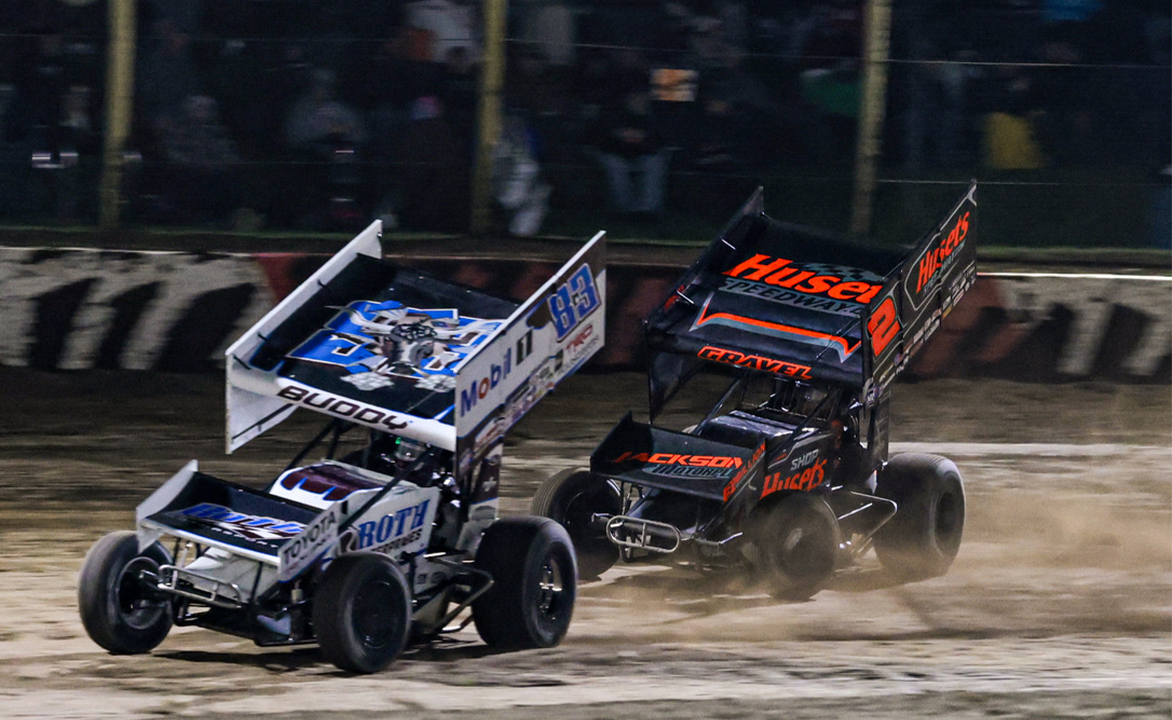
  • Kevin Thomas Jr. sweeps USAC sprint features in Arizona

    USAC posts schedules for Hangtown, Leffler, Turkey Night

    The USAC NOS Energy Drink Midget National Championship has published detailed event information and logistics for three California races this November, including schedules, formats, entry/ticketing and technical rules for teams and fans. All three events are overseen by Race Director Kirk Spridgeon and will offer live video on FloRacing, audio on the USAC app and Mixlr, and live updates on USAC’s Facebook and X accounts; additional timing and scoreboard services (MyRacePass and Race Monitor) will be available for the Jason Leffler Memorial. USAC membership is required where noted to earn championship points and contingency awards.

    The Hangtown 100 at Placerville Speedway (1/4-mile) is set for Saturday, Nov. 14. Pits open at 2:00 p.m. PT, front gates and the drivers meeting open at 4:00 p.m., and cars go on track at 5:00 p.m. USAC’s midget program for Hangtown eliminates traditional qualifying and uses 10-lap heat races with seed-based inversion, followed by a 12-lap semi-feature and a 100-lap feature; caution laps will not count in the feature and an open red flag is scheduled between laps 40 and 60. Transfer numbers will be set by car count. Tire rules require an SP3-stamped right-rear tire, and changing that tire will drop a car to the tail of the feature field. Entry fees are $30 for USAC members and $40 for non-members; the winner’s purse is $10,000 and awards 70 points.

    The Jason Leffler Memorial at Bakersfield Speedway — Kevin Harvick’s Kern Raceway (1/3-mile) — will run Tuesday, Nov. 24. Pits open at 2:00 p.m. PT, gates at 4:00 p.m., drivers meeting at 4:30 p.m., and on-track action at 5:00 p.m. Adult general admission is $30, kids 6–12 $15 and children 5 and under free; pit passes are $50 (or $45 for USAC members). The on-track format calls for two-lap qualifying (fastest lap counts), 8-lap heat races with a six-car inversion, a 12-lap semi-feature and a 30-lap feature. The winner’s purse is $12,500. The event lists a mandatory driver radio frequency of 464.5500, and drivers must be USAC members to earn points and contingency awards. Live video will stream on FloRacing, with audio on the USAC app and Mixlr and live updates on USAC’s social accounts; timing/scoreboard info will be provided via MyRacePass and Race Monitor.

    The 85th ARP Turkey Night Grand Prix at Ventura Raceway (1/5-mile) is scheduled for Saturday, Nov. 28, with USAC Midget practice and Ultimate Sprint Car Series activity on Friday, Nov. 27. Pits will open at 11:00 a.m. PT both days; a drivers meeting is set for 2:30 p.m., grandstands open at 3:00 p.m. and on-track action begins at 3:30 p.m. Qualifying will use two-lap runs with the fastest lap counting and the top 10 positions locked, followed by three qualifying races (top four transfer from each) and a Last Chance Qualifier that advances the top four to the feature. The main feature will be 98 laps, limited to 26 starters. Officials will stamp the right‑rear tire for qualifying, heats and the feature and changing that tire will send a car to the tail of the field; a muffler is required under the event technical rules. Entry fees are $30 for USAC members and $40 for non-members; advance ticketing lists Friday grandstand $22, Friday pit $40 (members)/$50 (non-members), Saturday general admission $40, reserved $50 and Saturday pit $50. The Turkey Night winner will receive $15,000 and 70 points, with second place paid $6,000 and 67 points. Live coverage will be on FloRacing with audio on the USAC app and Mixlr and live updates on Facebook and X.

    More
  • Glock urges Ferrari to curb Leclerc-Hamilton feud

    Glock urges Ferrari to curb Leclerc-Hamilton feud

    Tensions around Ferrari flared after the Japanese Grand Prix as several wheel-to-wheel battles between Charles Leclerc and Lewis Hamilton shaped the race. Leclerc finished third and Hamilton sixth, while Oscar Piastri showed strong pace in clean air and pulled away in the opening stints. A Safety Car and tactical pit-stop timing — including Hamilton’s extended first-stint gamble that was aided by the Safety Car — reshaped the final order.

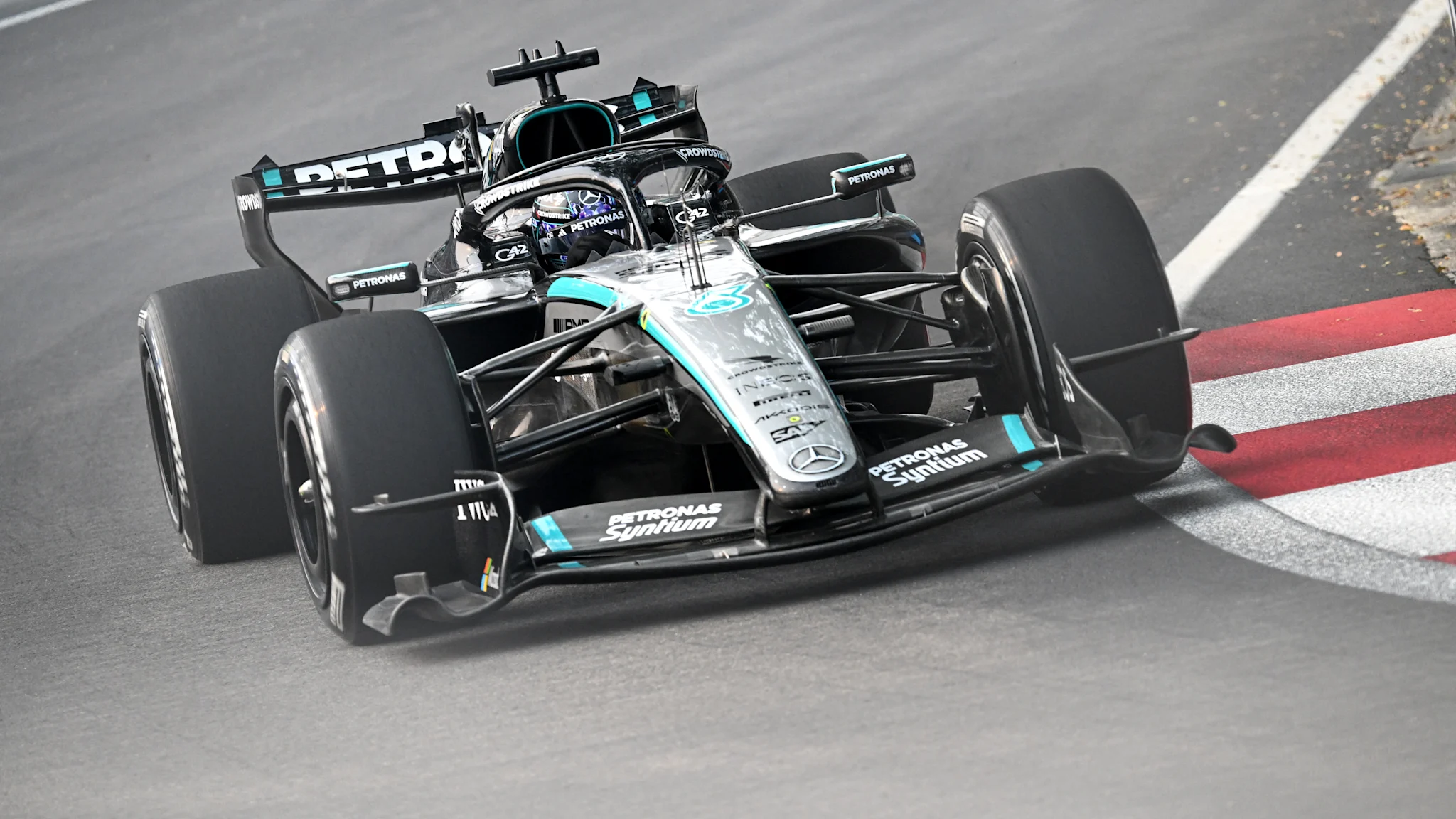
    Both drivers voiced frustration after the race. Leclerc accused Mercedes of playing “cheeky” mind games after radio messages from George Russell’s engineer complicated his defence; he also criticized his SF-26 and called for substantial technical changes during the forthcoming break. Hamilton demanded an explanation from Ferrari over power issues he experienced, suggested Leclerc had a power advantage, and said Ferrari had not prioritized his power concerns; Leclerc did not report Hamilton’s problems during the race. Ferrari made no public reprimand after the event.

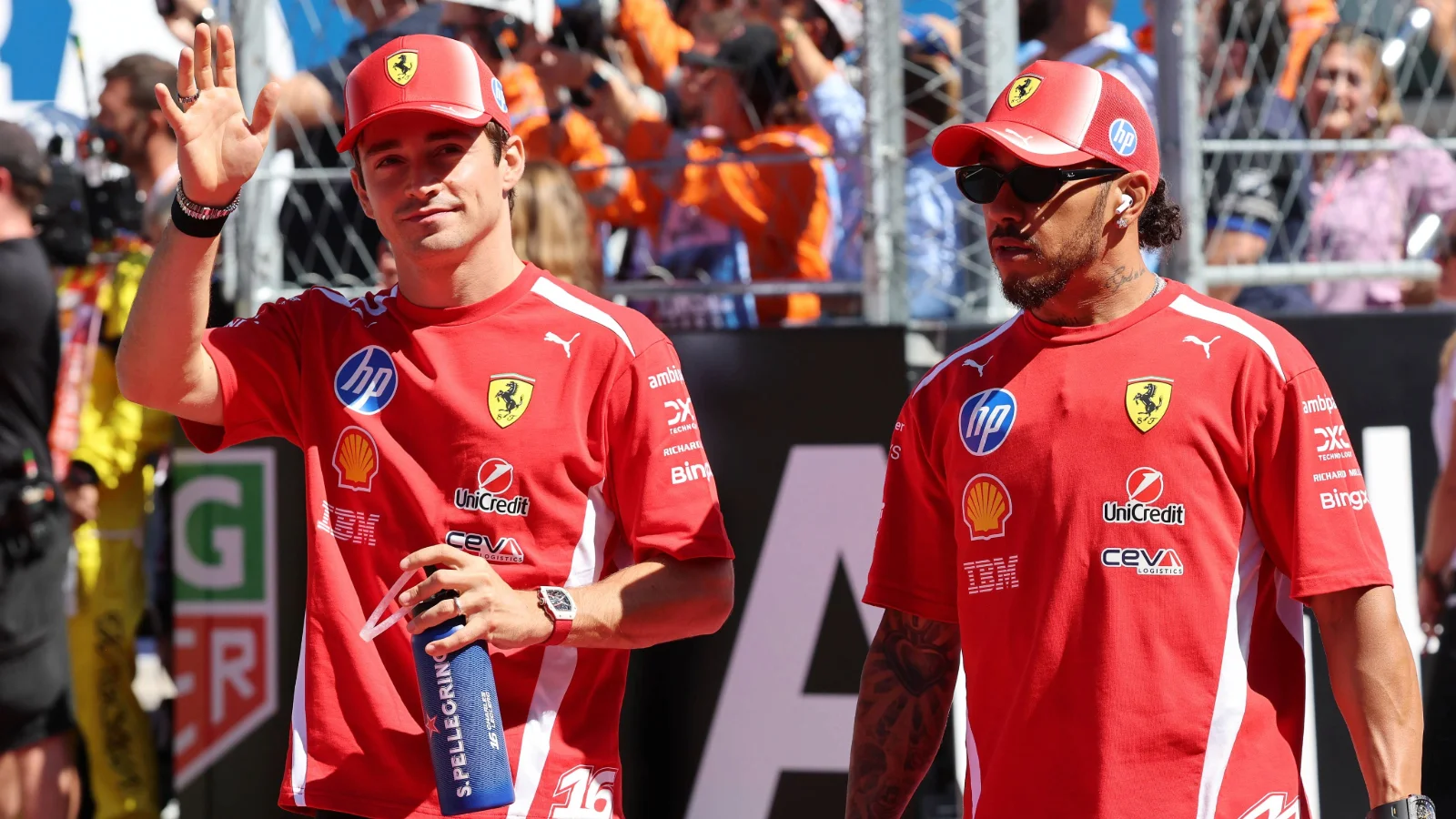
    Former driver Timo Glock publicly urged Ferrari to set clear limits and step in before rivalries escalate into damaging friction, warning that a hands-off approach could allow tensions to become combustible. Team principal Fred Vasseur downplayed the level of frustration, saying he supported hard wheel-to-wheel racing and did not share the drivers’ complaints, framing the exchange as part of normal competitive dynamics. Reports also suggested a possible change of race engineer for Hamilton ahead of the Miami GP, and Ferrari said it will use the forthcoming break to regroup and focus on converting consistent podiums into victories when the season resumes in Miami.

    More
  • Verstappen demands Red Bull fix RB22 before Miami

    Verstappen demands Red Bull fix RB22 before Miami

    Max Verstappen publicly demanded that Red Bull urgently fix persistent balance and handling problems with its RB22 after a bruising weekend in Suzuka, calling the car “completely undriveable,” saying the situation was “not sustainable” and that he was “beyond” frustrated. The problems showed in qualifying when Verstappen was eliminated in Q2 and started 11th.

    He blamed unpredictable rear behavior, chassis instability and setup changes that failed to restore high-speed stability, and said these issues were not caused by the power unit.

    Verstappen warned the team must improve the car “quite a lot” before Miami and said he would use the month-long break to work with Red Bull on finding more pace and a more stable balance, while also doing some racing for enjoyment.

    More
  • Bezzecchi reclaims championship lead after Austin win, 81-77

    Bezzecchi reclaims championship lead after Austin win, 81-77

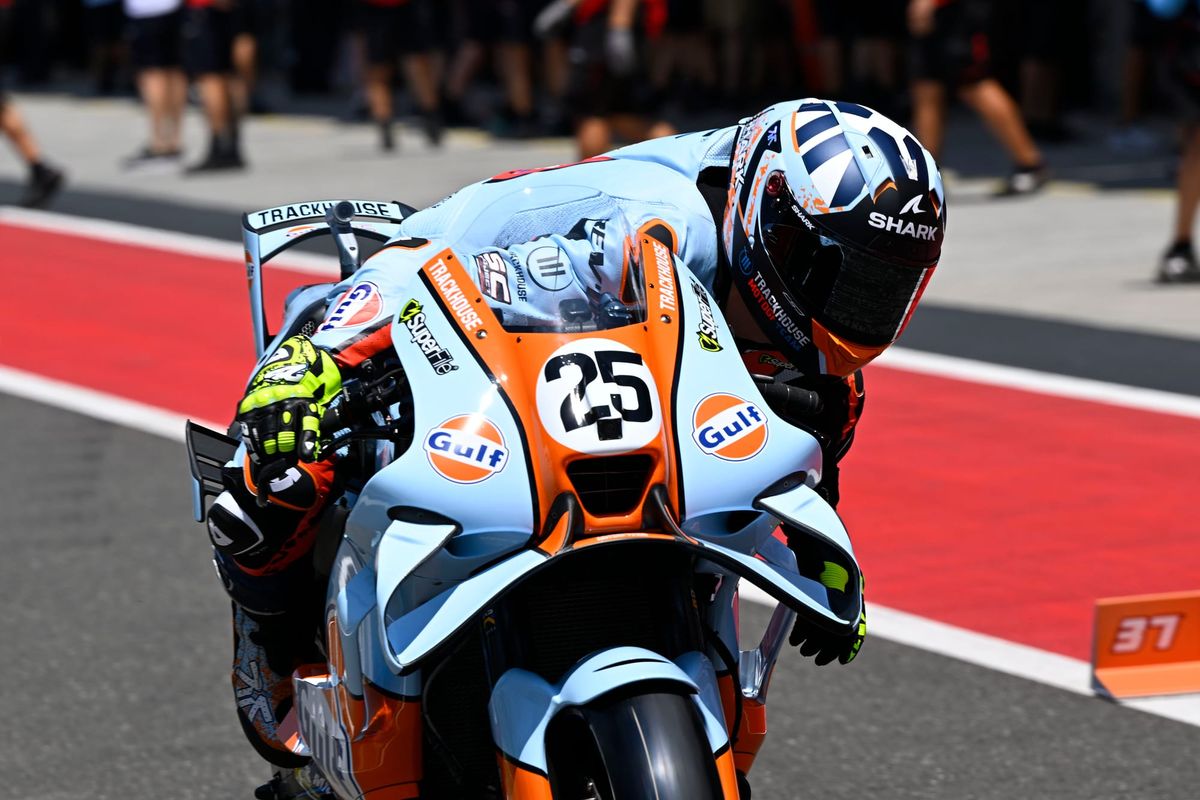
    Marco Bezzecchi produced a lights-to-flag masterclass at the 2026 MotoGP United States Grand Prix in Austin, but the race’s defining moment came on the opening lap when he and Pedro Acosta made contact exiting Turn 11 while fighting for the lead. Bezzecchi emerged from the clash ahead despite chunks of bodywork and rear aero damage, and race stewards chose not to open an investigation. Both riders downplayed the incident as hard, competitive racing—Acosta calling it “hard racing” and pointing to gusting wind and having run wide as contributory factors—and neither assigned blame.

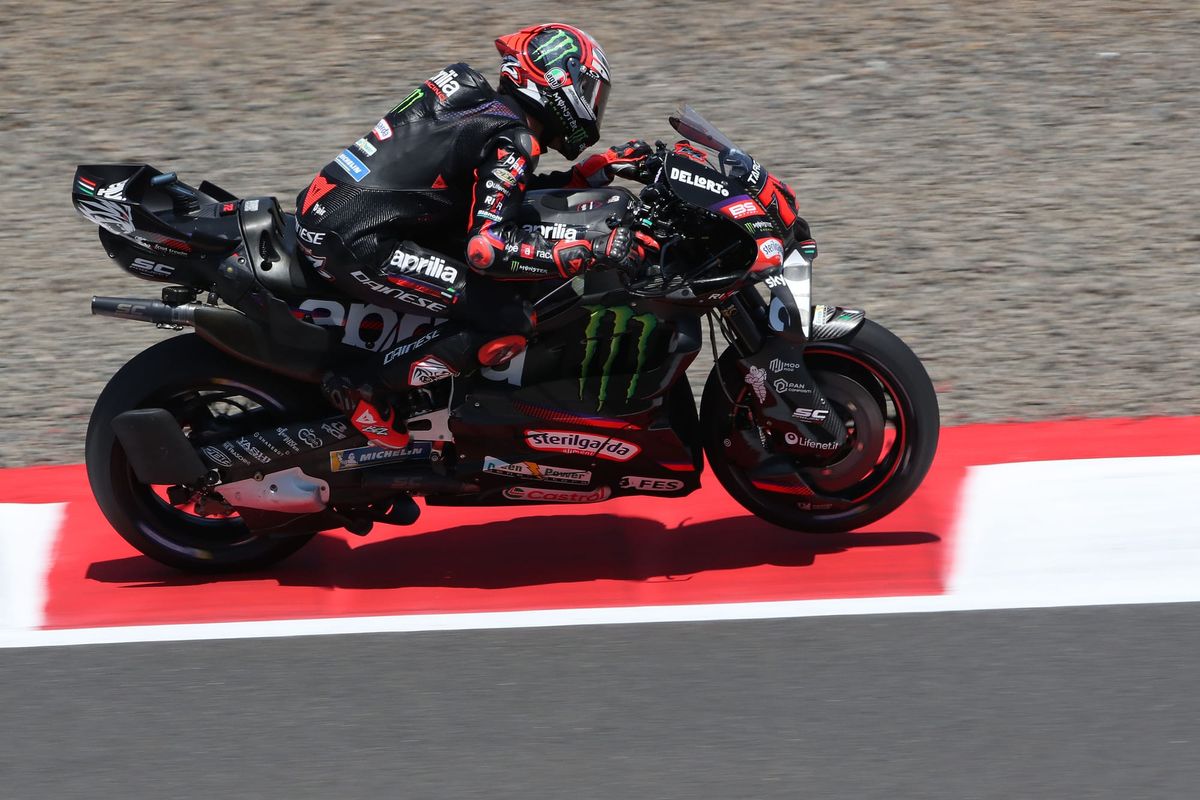
    Bezzecchi led every lap to claim his fifth straight premier-class victory and reclaimed the championship lead, with teammate Jorge Martin recovering to finish second and complete an Aprilia 1-2 at COTA. Pedro Acosta recovered to third for Red Bull KTM and remained the top non-Aprilia rider; after the weekend Bezzecchi sat on 81 points to Martin’s 77 and Acosta on 60. Bezzecchi won by roughly two seconds (Martin finishing about 2.036s back), and the result shifted momentum at the front of the 2026 title fight.

    The Italian had started fourth, muscled past early leader Acosta on lap one and then upped his pace from around lap six to open a gap of more than a second as he controlled the race to the flag. He had topped the brief warm-up earlier in the day and had crashed out of the Sprint while running second, underlining how close he had been to the limit over the weekend. Several reports credited Bezzecchi with setting a modern-era mark for consecutive laps led—citing 121 laps and noting he surpassed Jorge Lorenzo’s previous benchmark—though one account attributed that 121-figure to Acosta, so sources vary on which rider holds that specific tally.

    More
  • Cole Davies powers through whoops for third straight 250SX

    Cole Davies powers through whoops for third straight 250SX

    Cole Davies continued his breakout dominance in the 250SX at Detroit, winning a third straight main after an audacious charge through the whoops. Riding the Monster Energy Yamaha Star Racing YZ250F, Davies had been fastest in qualifying but his top lap was removed after his bike failed the post-session sound test; Jo Shimoda failed the same test and Seth Hammaker was promoted to P1 on the sheet. Davies won the first heat, then tangled bars with Coty Schock at the start of the main and was 15th at the holeshot stripe before charging through the field, gaining 14 positions and posting the fastest whoops sector time of 6.477 seconds.

    He passed Hammaker and won the main by 12.196 seconds, increasing his championship lead over Hammaker from six points to nine. Davies said, “I’ve kind of proved to myself and everybody what I can do,” crediting hard work and family sacrifices and pointing to his whoops speed as decisive.

    NBC analyst Jason Thomas called Davies’ whoop riding his biggest strength “by a long shot,” and said the rider had gone from “iffy to certainty” in a very short time after a breakout that began around A1 2025. Thomas described Detroit as a night of breakout performances, individual recoveries and opportunistic results amid intense, crash-prone racing, called the Detroit whoops unusually difficult and noted most competitors were relieved not to have to run them again. He also highlighted Nate Thrasher’s stronger early pace before a crash—attributing earlier inconsistency to a serious shoulder nerve issue that had left him riding at roughly 50 percent despite previously showing pace nearer a top-10 level—assessed Henry Miller’s fifth-place finish as largely the result of capitalizing on a crash-filled main, and recounted an aggressive Cooper Webb pass on Jorge Prado that took both riders down.

    More
  • Pini overtakes Quiles at Turn 13 to win by 0.056s

    Pini overtakes Quiles at Turn 13 to win by 0.056s

    Álvaro Carpe claimed pole for the Moto3 U.S. Grand Prix at Circuit of the Americas with a lap of 2:12.107, putting him at the head of the grid set for Saturday’s race. Casey O’Gorman qualified second (2:12.519) and Valentin Perrone third (2:12.526); Veda Pratama was fourth (2:12.813) and Guido Pini fifth (2:12.837). Joel Esteban (2:12.869), Adrian Fernandez (2:12.917), Max Quiles (2:12.996), Rico Salmela (2:13.005) and Scott Ogden (2:13.244) completed the top ten, with Joel Kelso and Zen Mitani 11th and 12th respectively. Hakim Danish did not set a time during qualifying.

    The 14-lap Moto3 race was won by Guido Pini, who claimed his maiden grand prix victory aboard a Pirelli-shod Leopard Racing Honda. A late four-rider breakaway of Max Quiles, Guido Pini, Valentin Perrone and Álvaro Carpe shaped the finish; Quiles led for much of the race before Pini — fourth down the back straight on the final lap — made a decisive pass at Turn 13 to move into the lead. Pini finished 0.056 seconds ahead of Quiles, with Carpe third (0.254 seconds behind Pini).

    Álvaro Carpe attempted a late overtake on Perrone at the final corner, ran wide, recovered to third and publicly apologized to Perrone. Adrian Fernandez, who led early, slipped back to fifth. The top ten finishers were: 1) Guido Pini, 2) Max Quiles, 3) Álvaro Carpe, 4) Valentin Perrone, 5) Adrian Fernandez, 6) Adrian Cruces, 7) Rico Salmela, 8) Brian Uriarte, 9) Matteo Bertelle, 10) Scott Ogden. The result preserved Quiles’ position as championship leader; Quiles left COTA with 65 points, Carpe had 42 and Perrone 38, Quiles sitting 23 points clear of Carpe.

    Reports varied from one source that named David Alonso as the winner at COTA for the CFMOTO Valresa Aspar Team, but the majority of race reports cited above record Guido Pini as the race winner and provide the finishing order and margins described here.

    More
  • Leclerc: Mercedes radio ploy tried to force battery use

    Leclerc: Mercedes radio ploy tried to force battery use

    Charles Leclerc accused Mercedes of running a “cheeky” team-radio mind game at the Japanese Grand Prix in Suzuka, saying Mercedes engineers broadcast misleading instructions intended to force battery deployment and provoke defensive errors. Leclerc told Sky Sports and race reporters that George Russell and a Mercedes engineer deliberately misrepresented their strategy over the radio, and that his own engineer, Bryan Bozzi, was relaying messages from Mercedes engineer Marcus Dudley. He said Russell repeatedly did the opposite of those radio instructions for several laps, which forced him to alter his defensive driving, created significant late pressure and required him to fend Russell off in the closing corners.

    Leclerc had qualified fourth and produced a strong start to move up early, spending the opening stints chasing McLaren’s Oscar Piastri, who enjoyed superior pace in clean air and pulled away. A late Safety Car bunched the field and precipitated a frantic finish: Russell launched an overtake at the final corner on Lap 51, but Leclerc fought back through Turn 1 and crossed the line 0.484 seconds ahead of Russell to secure a podium place. Reports vary on whether Leclerc was officially classified second or third in some accounts, but all sources agree he held off Russell to claim a podium.

    Leclerc called the chaotic finish “quite a fun race” and said Ferrari will use the midseason break to regroup and target upgrades before Miami. Telemetry analysis at Suzuka indicated Mercedes held an advantage of roughly 0.240 seconds per lap — an edge that would equate to about a 12-second margin over 53 laps — underlining the performance gap Ferrari must close. The Suzuka result left Leclerc third in the drivers’ standings on 49 points, with Ferrari hoping to turn consistent podiums into wins when the season resumes in Miami.

    More
  • Drivers Demand Fixes Before Miami GP Over 2026 Energy Rules

    Drivers Demand Fixes Before Miami GP Over 2026 Energy Rules

    Drivers escalated public criticism of Formula 1’s new 2026 power-unit and energy-management rules, accusing the sport of sidelining their safety and performance concerns. They are pushing for short-term mitigations before the Miami Grand Prix and for more substantive regulatory adjustments later in the season or next year.

    Lewis Hamilton said drivers “have no voting rights” and are not on the committee that shapes technical rules, and several drivers argued the FIA has been “only listening to teams.” Those statements highlight drivers’ concerns about their lack of formal influence over the rulemaking process.

    Carlos Sainz warned that the approach creates safety risks, pointing to the Ollie Bearman–Franco Colapinto crash — a closing-speed differential of roughly 50 km/h — as an example, and Bearman walked away without serious injury.

    More
  • Piastri boosts McLaren; Stella says Mercedes still ahead

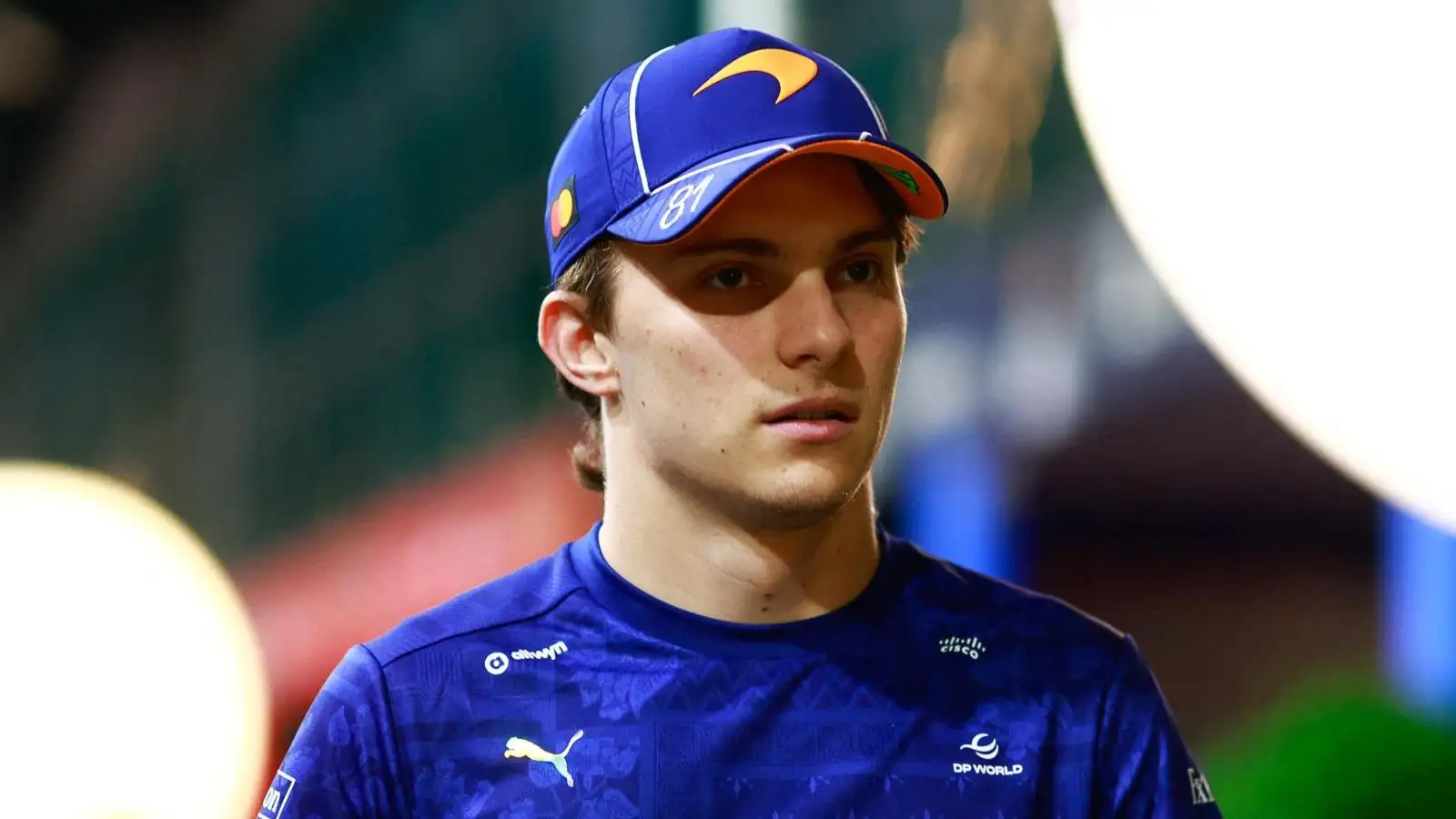
    Oscar Piastri’s second-place finish at Suzuka underlined a clear step forward for both the driver and McLaren: it was his first podium and his first championship points of the 2026 season after he leaped into the lead at the start. Piastri, who had missed the opening two rounds with back-to-back DNSs, said McLaren is “closing the gap to Mercedes” and described the reigning team as “beatable.” He also suggested a Safety Car intervention, triggered by Oliver Bearman’s high‑G crash, altered the race’s outcome and said he would have liked to see how the event unfolded without it, adding he felt he had been “pulling away a little bit” before the neutralization.

    The Suzuka result followed encouraging pace indicators earlier in the weekend: Piastri topped FP2 by around 0.1 seconds and converted that form into his best qualifying of the season, taking third on the grid — 0.354s off pole and roughly 0.056s behind George Russell — which gave McLaren a second-row start for the first time this year. Team figures framed the weekend as evidence of momentum: Andrea Stella credited closer collaboration with Mercedes HPP engineers and targeted setup work for lap-time gains, while McLaren CEO Zak Brown said the team will win “sooner rather than later.” At the same time Stella and Piastri cautioned that Mercedes still held a clear pace advantage and that a “pretty big gap” remained, highlighting the need to turn flashes of speed into consistent race results.

    Reliability and energy-system issues also shaped the narrative of progress versus risk. McLaren dealt with a battery problem that disrupted Lando Norris’s FP3 and cost long-run data, fitted a third energy store during FP3, and Stella flagged recurring issues with the Mercedes-supplied battery module. The Suzuka race itself was heavily influenced by energy-management battles and pit-stop timing, and George Russell lost track position amid power and tire issues. McLaren said it will bring upgrades for the next race aimed at producing more consistent podiums and further developments later in the season intended to contend for wins, with Suzuka offering both a morale boost and a clear reminder of the work still to be done to fully close the gap to Mercedes.

    More