NXTbets Inc

RB22 upgrade cuts deficit but weight and balance slow pace

RB22 upgrade halves deficit but weight and balance still hamper Red Bull pace

| May 3, 2026

RB22 upgrade package

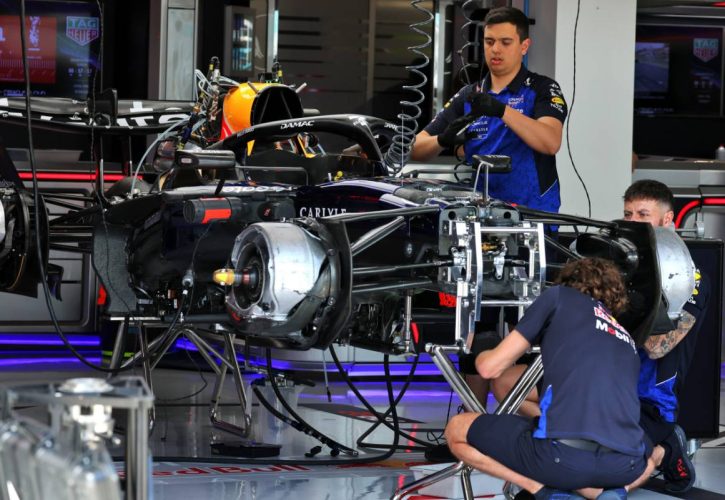
Red Bull Racing introduces a broad aerodynamic upgrade package to the RB22 for the Miami Grand Prix that touches nearly every surface of the car. The team revises the front wing and corner inlets, reshapes the engine cover and floor, widens the sidepods to include a waterslide-like ramp and fits an independently developed rotating rear wing that has been widely nicknamed the "Macarena." Accounts put that rotating element at about 160 to 180 degrees of movement, and engineers also add an exhaust flap intended to increase aerodynamic load and stabilise airflow. The upgrade program includes an off-track filming day at Silverstone to gather data and assess correlation between simulation and what the drivers actually feel on track; team engineers present the package as an attempt to tighten that simulation-to-track link and to make the car more comfortable for the drivers. The changes aim to address a cluster of problems that have dogged the RB22 this season — not only raw pace but also weight distribution, sensitivity to setup changes and tyre management — and Red Bull frames the Miami updates as a step toward getting the car's behaviour into a more predictable window rather than a single quick fix.

The approach is comprehensive by design: rather than altering one element in isolation, the team reworks aero balance across multiple components so that the parts interact differently with tyre behaviour and with airflow across the floor and diffuser. That philosophy explains why the package is as broad as it is; engineers are trying to shift the baseline characteristics of the chassis and aero balance so drivers can operate inside a wider setup window. At the same time, the scale of the revisions means the team is still learning how the parts work together on a race circuit, which is why Red Bull describes Miami as an initial test. The intent is to improve predictability and driver comfort first, then hunt further performance once the updated aero maps and setup ranges are understood. That cautious framing is crucial: it sets expectations that the changes produce tangible improvements but may not instantly erase the deficit to this season's frontrunners.

Driver reactions and verdicts

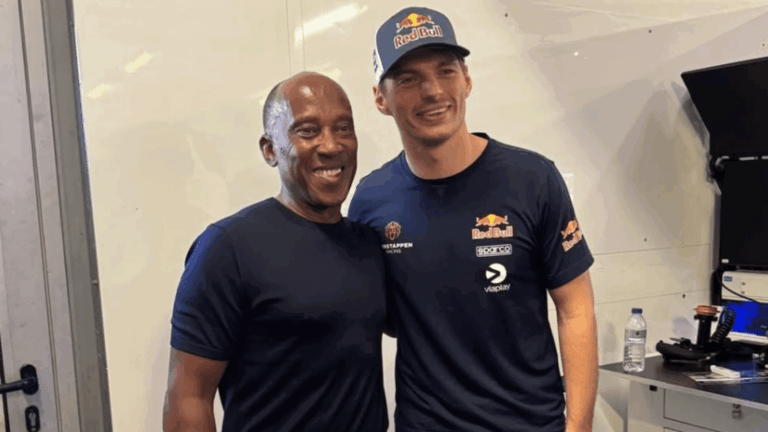
Responses from Red Bull's camp are measured. Max Verstappen calls the package a significant step that "almost halved" the deficit to the leaders and says the car "feels more together," but he also warns the RB22 remains "very weak in the first sector." Verstappen uses the updated car to qualify fifth for the sprint, which he describes as his best result of the season so far, and he posts a deficit of roughly 0.6 seconds to Lando Norris in that qualifying session. Isack Hadjar offers a more cautious reading. Returning after a five-week absence, Hadjar finds the car slower in practice and qualifying and says the upgrade "won't solve all our issues." He does not expect to contend for a podium in Miami and expresses puzzlement about the roughly one-second gap to Verstappen in sprint qualifying. Those divergent driver takes underline the package's mixed impact: it moves the competitive needle in a visible way for a driver who has already been in rhythm with the car, while a team mate returning from time out faces both adaptation challenges and remaining performance shortfalls.

Team principal Laurent Mekies reinforces the tempered perspective, describing the updates as the right direction rather than an overnight fix. That messaging aligns with what engineers set out to do at Silverstone — test a broad set of changes and then iterate based on track data. Practically, the outcomes on lap times and driver comments amount to measured gains that nevertheless fall short of transforming Red Bull into the clear pace-setter at Miami. The drivers and team still face a multifaceted problem set: getting the updated aero to work consistently across fuel loads and tyre windows, finding a reliable setup that resists small changes, and managing tyre degradation in race and sprint conditions. Red Bull's public posture is pragmatic: acknowledge an improvement, catalogue the remaining weaknesses and use Miami to refine the hardware and setup approaches further.

Remaining issues: Weight and balance

Despite the aerodynamic progress, key limitations persist around weight, balance and tyre management. Reports on the RB22's overweight figure vary, with estimates in the public domain ranging from about 12 kilograms to roughly 30 kilograms, and Red Bull says it has trimmed roughly half of an earlier reported overweight. Even with that reduction, the car's mass and the way it distributes that mass remain central constraints on lap time and tyre behaviour. Team personnel and drivers point to weight as a limiting factor for acceleration, braking stability and cornering dynamics, and they also cite a sensitive setup window that makes it difficult to extract consistent performance across different track sectors and sessions. That sensitivity means small setup changes can yield large swings in balance, which complicates race weekend strategy and tyre management.

The package improves several of those areas but does not fully close the gap. Aerodynamic revisions can alter how load is generated and how that load interacts with the tyres, but they do not erase the fundamental penalties that come from an overweight car or from a chassis whose balance trends away from an optimum point. The rotating rear wing and exhaust flap aim to stabilise airflow and increase downforce where needed, and wider sidepods and floor work seek to tame unpredictable flow that previously made setup decisions fraught. In practice, however, the upgrades make the RB22 "more together" in some parts of the lap while leaving it "very weak in the first sector," as Verstappen puts it. That asymmetric performance creates a mixed race prospect: the team can reasonably hope to score points and work toward stronger qualifying positions, but podium contention and consistent race wins require further evolution.

Red Bull frames Miami as a learning opportunity rather than the final answer. The package produces measurable gains — improved simulation correlation, better driver comfort and a closer qualifying position for one of its drivers — but the remaining issues around weight, setup window sensitivity, balance and tyre management mean engineers will need to iterate. The next steps are clear in tone if not in technical detail: continue trimming excess mass where possible, refine aero mappings so the upgraded surfaces produce predictable behaviour across a race weekend, and give drivers a stable baseline they can exploit in both sprint and grand prix formats. For now, the RB22 upgrade cuts the deficit and improves the car's coherence, but Red Bull still faces a multi-session process to convert those gains into consistent front-running performance.

Read The Betting Guide: SMX Betting Guide