




Formula 1 budget cap under fire as Christian Horner called for rethink
NXTbets Pro | Published On: October 18, 2026
Budget cap debate
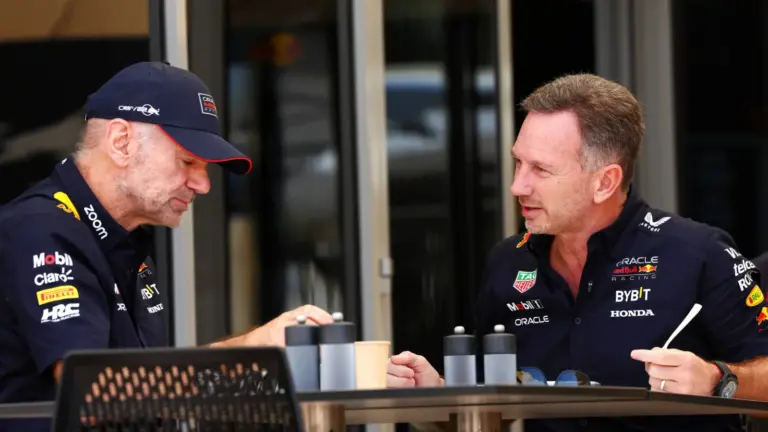
Christian Horner wanted Formula 1 to rethink the $215 million budget cap and possibly raise it, arguing the headline figure did not reflect how much the top teams still spent. He said teams were still putting about $500 million to $600 million into a season once excluded costs were counted, with driver contracts, some senior salaries, travel and marketing sitting outside the cap. Horner also pointed to Formula 1’s separate $190 million power unit cap, saying the sport still operated with very high overall spending even under the current rules. His case was straightforward. The cap had changed how teams did business, but it had not eliminated the scale of the financial race. The regulations had made teams more efficient, he said, while also helping turn them into more valuable businesses. They had also stabilized the grid and cut waste compared with the pre-cap era. That was the balance at the center of the debate. The sport had gained financial discipline, yet the numbers around the cap remained large enough to keep pressure on the system.
Cost cap efficiency
The cost cap had delivered clear gains for Formula 1, even as the arguments over its future continued. The rules had limited how far teams could push spending to chase small gains. The debate continued over whether to preserve those financial guardrails or rethink where the limit should sit.
Smaller teams and pressure
The debate did not stop with the biggest teams. Smaller outfits had long argued that the rules helped them survive financially, while critics said the system still left them chasing the leaders from too far behind. Some team bosses had called it a “cost cap trap,” a setup they said made it harder for smaller teams to close the gap to the front-runners. Their concern was performance as much as finance. The current rules could leave the front-runners ahead even as overall spending was controlled. One key figure cited in that criticism was the concentration of results at the top, with the leading four teams taking 83% of the points across the last five cost-cap seasons. That figure captured the frustration around the midfield and lower end of the grid. At the same time, the cap had kept more teams viable, which mattered in a sport where budget pressure once pushed weaker operations to the edge. FIA president Mohammed Ben Sulayem had also raised doubts last year, saying the cost cap was “giving the FIA a headache.” His comments showed the issue reached beyond team principals and into the sport’s governance. Formula 1 faced a familiar choice: protect the financial guardrails that stabilized the championship or adjust them to give teams more room to chase the front.