




Formula 1 backs 2030 V8 turbo hybrid engine plan
NXTbets Pro | Published On: September 23, 2026
V8 engine plan
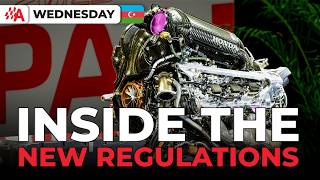
Formula 1 stakeholders and engine manufacturers have agreed on the main direction for the next engine rules cycle, and the plan centers on a 3.0-liter V8 power unit. The new power unit would use a small turbocharger rather than a naturally aspirated layout. Officials are considering the V8 as the basis for regulations that could debut in 2030, and the agreement marks a clear step in that direction. The proposed unit is expected to be less complex and lighter than current units. That matters in a formula built around close competition, technical limits and the constant chase for better racecraft. The proposed V8 points the category toward a more compact package while still retaining electrification.
Turbo hybrid details
The new rules are expected to retain electrification through a simplified 100kW electric motor, but that output would be cut from the current 350kW level. That change would make the electric side of the power unit less powerful than it is today, while still keeping hybrid support in the formula. The new package is also expected to be at least 50kg lighter than current units and less complex overall. Officials are still finalizing the details, and one of the pieces under discussion is a push-to-pass-style overtaking aid. That element would add another layer to the racing package if it survives into the final regulations. The broad direction points toward a power unit built around a turbocharged V8, smaller electric motor and lighter design. The final engine rules still need official approval before they become reality, so the framework is set, but the process is not complete.
Street circuit concerns
Noise restrictions at street circuits such as Melbourne, Miami, Madrid, Singapore, Baku and Las Vegas were part of the reasoning behind the choice of direction. A naturally aspirated V8 was rejected partly because its louder noise levels could have caused problems at those venues. That was part of the reasoning behind the turbocharged route. The result is a direction shaped in part by the practical concerns around street circuits. Formula 1 now has a clear concept in hand, a 3.0-liter V8 with a small turbocharger and simplified electrification, but the details still need to be completed and approved before the sport can lock in the next generation of power units.