




Formula 1 Misses Deadline on Qatar, Abu Dhabi Races
NXTbets Pro | Published On: September 23, 2026
Formula 1 delay
Formula 1 has pushed back its decision on whether to cancel the Qatar and Abu Dhabi Grands Prix, and the hold-up centers on money, contracts and the wider Middle East conflict. F1 does not want to give up the promoters’ fees attached to the two races. It also faces a separate cost if it pulls the events itself, because that move would cost the series sanctioning fees. The promoter agreement creates another layer of risk. If the promoters choose to cancel or withdraw, they could face cancellation costs or sanctioning fees of their own. That mix of exposure has slowed the process and kept both races in limbo even after the deadline the series once set has come and gone. F1 is still treating both events as confirmed while it works through contingency plans behind the scenes.
The delay matters because the calendar is built around every race date, every contract and every broadcast commitment. F1’s annual accounts already flag event cancellations as a principal risk, and they say insurance usually does not cover losses tied to canceled events. That leaves the series and its promoters carrying more of the financial burden if either race comes off the schedule. The Middle East conflict has also put pressure on the wider Formula 1 operation. Freight logistics through the Strait of Hormuz, the timing of sea freight and team insurance concerns all complicate the moment when a decision has to be made. F1 has already canceled the Bahrain and Saudi Arabian Grands Prix this year, so it has seen firsthand how fast the calendar can change when the security picture shifts.
Qatar and Abu Dhabi
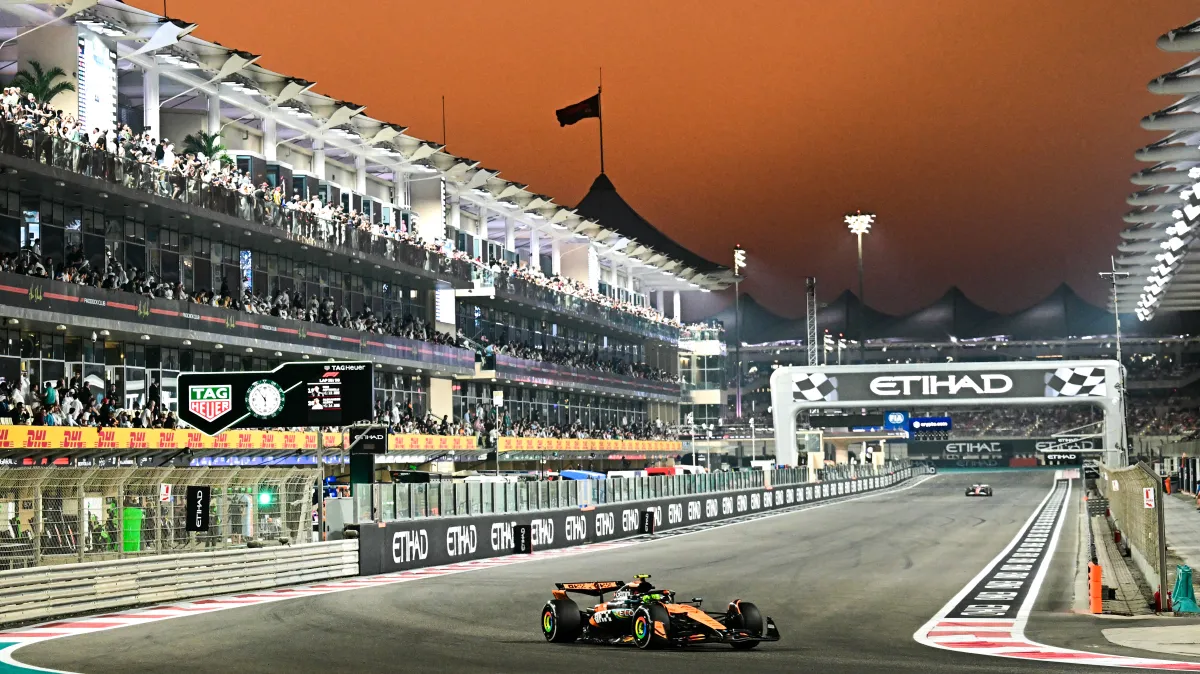
If Formula 1 drops either race, the series will have to protect the structure of the season, and that is where Abu Dhabi stands out. At least one broadcast contract requires 23 races, so F1 would need a replacement final round if one of the events disappears. Imola in Italy is the likeliest fallback venue, and it is the most likely substitute for the Abu Dhabi finale. Qatar does not appear to have the same backup plan. If its race is called off, F1 is not expected to replace it. That makes the two events different from a scheduling standpoint even though they are both caught up in the same uncertainty.
A Las Vegas double-header is off the table as a replacement option. That closes one of the more obvious alternatives and leaves F1 with a narrower path if it needs to rebalance the schedule. The series has already shown that it can reshape the calendar when circumstances force its hand, but each move carries a cost. That is why the current delay has lingered. F1 is still weighing the value of the promoters’ fees against the sanctioning fees and the need to preserve the season’s final race count. It has not moved to strip either event from the calendar, and contingency work continues.
Safety and logistics
The safety side of the decision sits in the background, but it remains central to the process. FIA president Mohammed Ben Sulayem said decisions would be guided by local promoters while prioritizing safety. That approach puts the first call on the people closest to each event, but it also shows how closely the sporting and operational sides of the issue are linked. The conflict has already led other series to make changes. The World Rally Championship and the World Endurance Championship have both canceled Middle East events because of the same regional tension. Formula 1 is watching those choices as it measures its own risk.
The Qatar and Abu Dhabi races sit at the center of that problem because they combine financial stakes with difficult logistics. F1 can keep the events listed as confirmed for now, but the longer the decision takes, the more each side has to prepare for a possible change. That is the position the series now faces, with the calendar still intact but the pressure growing around its final Middle East stop.