




FIA heat-hazard rules force cooling systems for Singapore Grand Prix cars
NXTbets Pro | Published On: October 8, 2026
FIA heat rules
The FIA declared a heat hazard for the Singapore Grand Prix at Marina Bay and set the race under its cooling-system rules after forecasting temperatures of 31.0 degrees Celsius or higher and humidity above 80%. Teams must fit their cars with advanced driver cooling systems and add weight for the equipment. Drivers still can choose whether to wear the cooling vest. If they do not, they can carry ballast instead so they do not take a weight disadvantage. That rule puts the focus on protection in extreme conditions and leaves the final decision on the vest with each driver. The system has continued to draw questions. The cooling effect lasts only about 20 to 40 minutes, which makes a full-distance race difficult to cover. The cockpit tubing that feeds the vest has also been described as uncomfortable, and that has kept the debate alive even as the sport has moved to make the system part of the safety conversation.
Mercedes cooling stance
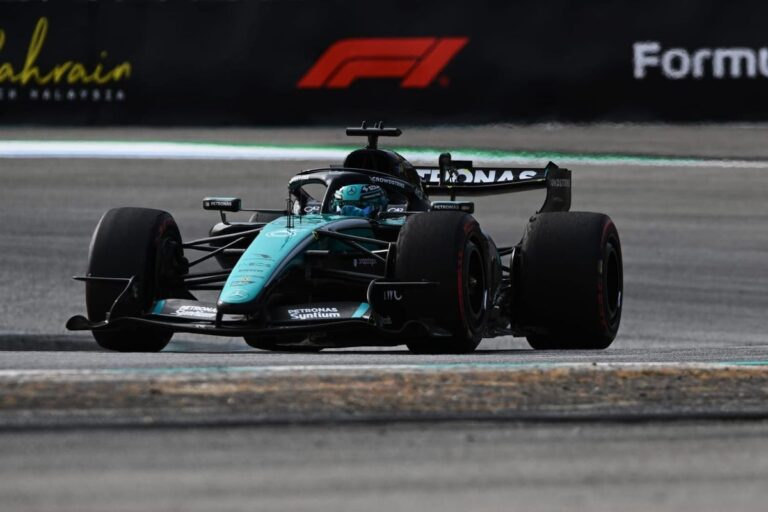
Mercedes has taken a cautious line on the technology. George Russell said the team had not spent the cost-cap resources needed to make the vest robust enough and urged the FIA to help drivers with the system. Mercedes deputy team principal Bradley Lord said the FIA’s allowances were not enough to justify the development risk. The governing body offered an extra $50,000 in cost-cap allowance for a vest that lasts a full race and another $75,000 if teams solved the comfort issues, but that still has not convinced every team to invest heavily. Mercedes said neither Kimi Antonelli nor Russell would use cooling vests this weekend and that it would rather spend its budget cap on car updates. That stance underlines a broader tension inside Formula 1. Teams have to manage performance, spending limits and safety demands at the same time. The vest system may help in theory, but it still asks teams to commit resources to a tool that has yet to win broad trust. Mercedes has chosen to hold back and focus on the machine itself.
Driver cooling debate
The current push around cooling vests traces back to the 2024 Singapore Grand Prix, when Russell and Lewis Hamilton nearly suffered heat stroke. That race helped push cooling vests into Formula 1 use in 2025, but the sport has not settled on a clear verdict. The debate resurfaced after drivers had mixed reactions in extreme heat and humidity at Sepang. Some drivers said the cooling systems helped briefly. Others questioned whether the vests fit the sport and how effective they are over a full race. Max Verstappen said the cooling vest was not needed. He said he would not use it because it restricts movement and does not stay effective for an entire race. Isack Hadjar went further and said cooling vests should be banned because Formula 1 is supposed to be tough and artificial cooling has no place in the sport. The different views show where the argument sits now. The sport has added the system for safety, but drivers remain split on whether it works well enough, whether it feels natural in the car and whether it belongs in Formula 1 at all.