


FIA strips Jonathan McEvoy’s accreditation after Leclerc column
NXTbets Pro | Published On: November 13, 2026
FIA sanctions McEvoy
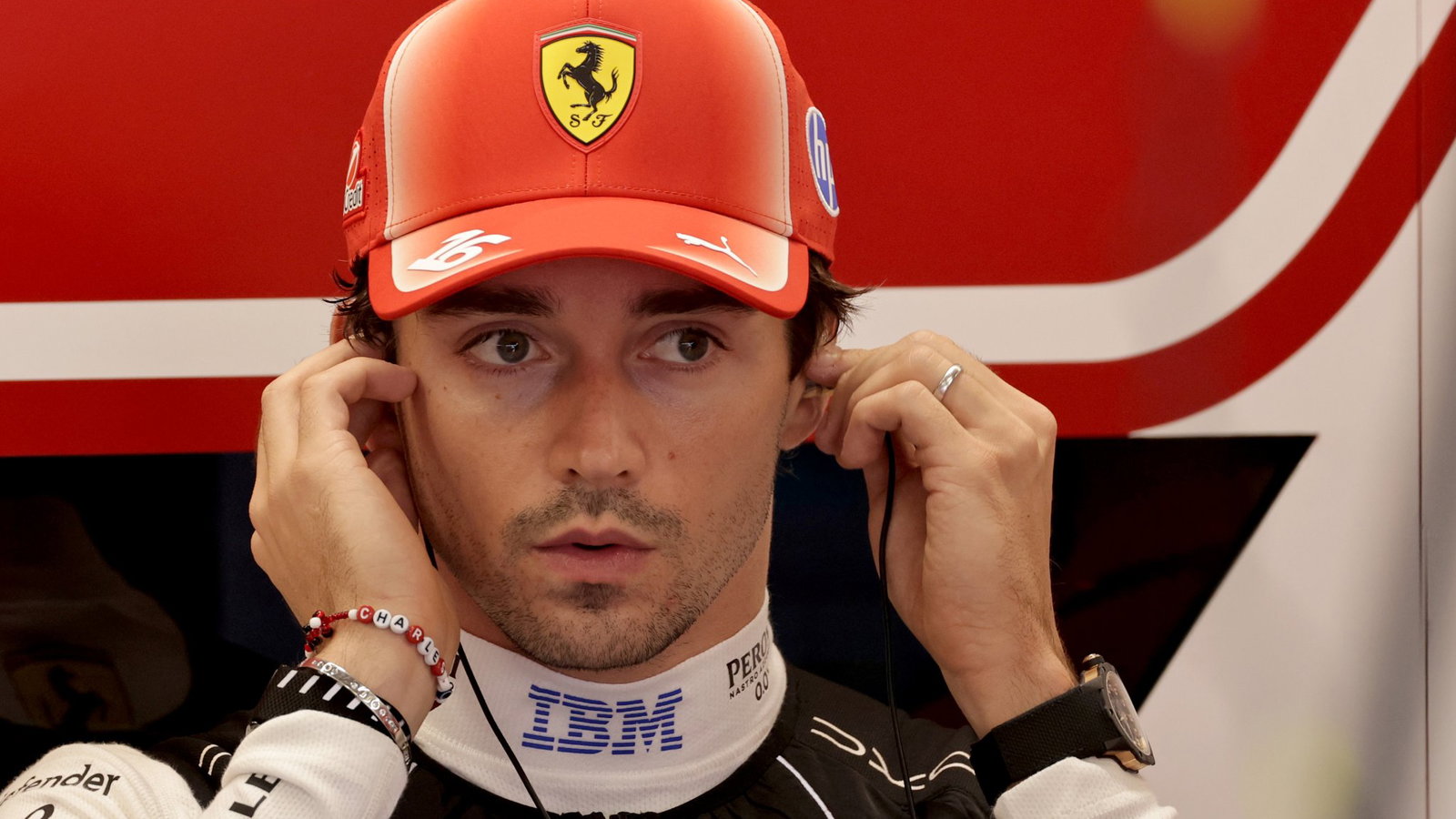
The FIA withdrew Daily Mail journalist McEvoy’s media accreditation for the rest of the 2026 Formula 1 season, and the sanction took effect immediately. The move barred him from the final three races in Las Vegas, Qatar and Abu Dhabi. The governing body acted after McEvoy published an opinion column that used derogatory language in criticism of Charles Leclerc. The FIA did not take a broad step against the media outlet. It said the decision applied only to McEvoy, and it delivered the ruling in a letter from FIA general manager Alberto Villarreal. That made the case a direct disciplinary action aimed at one reporter rather than a wider policy shift. The punishment left McEvoy sidelined for the closing stretch of the championship. The FIA framed it as an immediate response to content it viewed as out of step with the standards it expects from those granted official access.
McEvoy column fallout
McEvoy’s column focused on Leclerc’s behavior after the Mexico City Grand Prix and also referred to his clash with Lewis Hamilton at the same race. It went further, reporting on a tense Ferrari debrief that involved team principal Frédéric Vasseur. The FIA said the article fell short of the professionalism expected of accredited media, giving the sanction an institutional basis tied to standards of conduct. The decision landed squarely on McEvoy, and the governing body made clear it was not casting the net wider. The column linked the on-track clash to the postrace Ferrari meeting, broadening the fallout beyond its criticism of Leclerc.
Press freedom response
The Daily Mail described the punishment as an attack on press freedom, and Bernie Ecclestone also criticized the FIA’s action. Those reactions pushed the story beyond a simple accreditation dispute and into a broader argument about access, criticism and the power of a governing body to police language from credentialed reporters. The newspaper’s response signaled that it viewed the penalty as a threat to open reporting rather than a narrow sanction over editorial judgment. Ecclestone’s criticism added another voice to the pushback and gave the case added weight. The sanction remained in force, and the final three races would proceed without McEvoy in attendance. The episode stands as an example of how a media dispute can spill into a governance issue in Formula 1 when an opinion column targets a driver and a team.