




Watanabe to retire as Honda Racing chief, Yasuda set to take over
NXTbets Pro | Published On: October 5, 2026
Watanabe retirement move
Koji Watanabe will step down as head of Honda Racing Corporation and Keiichi Yasuda will take over, giving Honda a leadership shift at the top of its motorsport operation. Honda said the move is part of a planned personnel rotation designed to strengthen management during a period of global transformation and to support future business expansion. Yasuda already serves as Honda Racing Corporation’s executive vice president and representative director, so the promotion keeps the division in the hands of an executive who already sits close to its daily decision-making. Watanabe has led Honda’s racing division since 2022, and his retirement will close a chapter that began when he joined Honda in 1987. The transition also reflects Honda’s preference for continuity. Honda is moving an existing senior executive into the role. That gives the racing arm an established leader at a time when the company is managing a wider corporate shift. Watanabe said he will keep pushing for victory through his final three months, a sign that he plans to stay fully engaged as the handoff approaches. The retirement move gives Honda a defined succession path and sets up Yasuda to inherit a division already shaped by Watanabe’s restructuring work.
Honda Racing changes
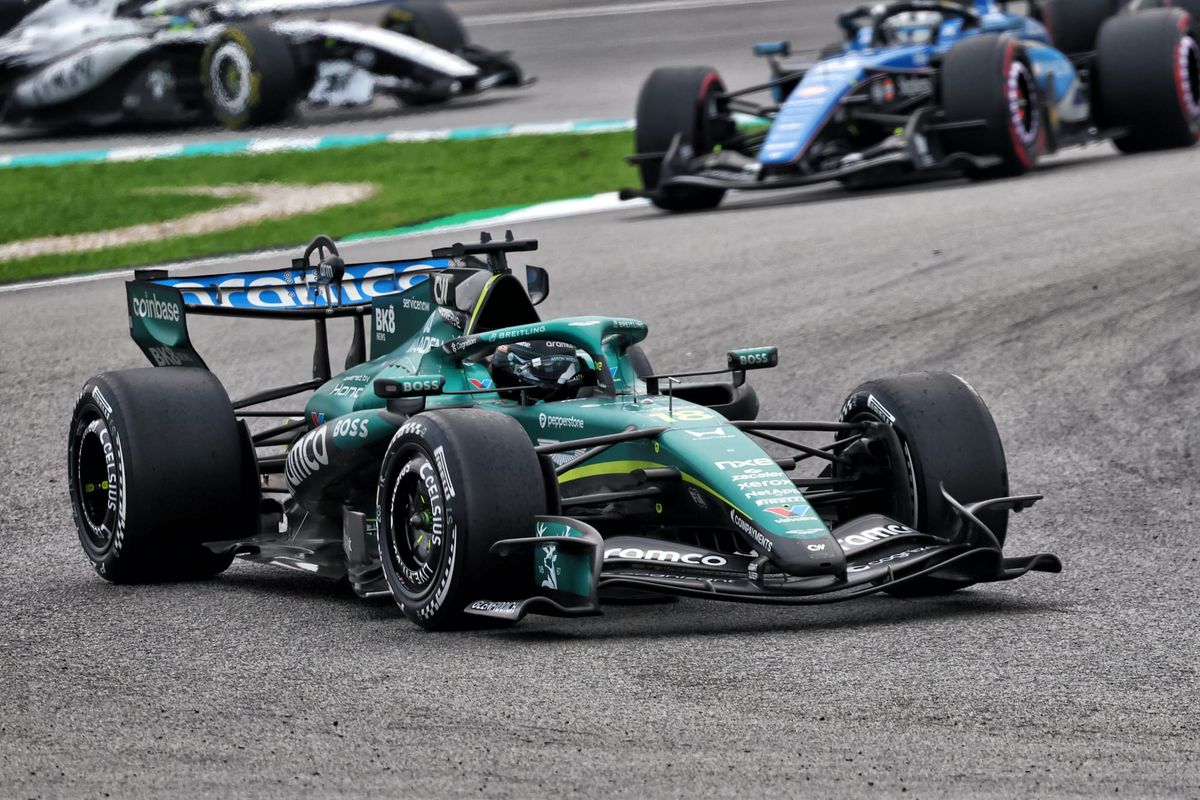
Watanabe is set to retire after a run that changed how Honda organizes its racing business. During his tenure, Honda merged its four-wheel and two-wheel motorsport operations, bringing its racing efforts under one structure and aligning programs that had once moved separately. That move made Honda’s motorsport setup more unified and easier to manage across disciplines. He also oversaw Honda’s decision to return to Formula 1 as Aston Martin’s works partner, a move that put the company back into the sport’s technical development picture and restored a major link to grand prix racing. Beyond the competitive side, Watanabe expanded HRC’s global structure, including HRC US and HRC UK, extending Honda’s racing presence beyond its core base and giving the organization a wider operational reach. Those changes stand out because they altered both the shape and the scale of Honda’s motorsport business. Watanabe described his own role in those terms, saying he was proud to have unified Honda’s motorcycle and automobile motorsport activities. That point captures the broader theme of his leadership. He did more than oversee results. He reorganized the division, widened its footprint and set up a structure that can carry Honda into the next phase of its racing plans.
Yasuda succession plan
Yasuda is set to take charge with a clear mandate from Honda and from the man whose role he will assume. He said he wants to build on Watanabe’s foundation and strengthen HRC with a focus on winning and organizational development. That balance matters because Honda is asking him to do two jobs at once. He has to keep the racing arm competitive while also maintaining the structural discipline that Watanabe put in place. His current role gives him a strong base for that work. Honda’s statement about the move pointed in the same direction, calling the leadership change part of a planned rotation aimed at reinforcing management amid global transformation. The company also linked it to future business expansion, which suggests the racing division remains part of a broader corporate strategy. For Honda, the succession keeps the leadership transition orderly and internal. For Yasuda, it creates a chance to carry forward the work on integration, international growth and Formula 1 involvement while sharpening the focus on performance. For Watanabe, it will close a long Honda career with a final stretch devoted to the same goal that shaped his tenure, pushing for victory.