



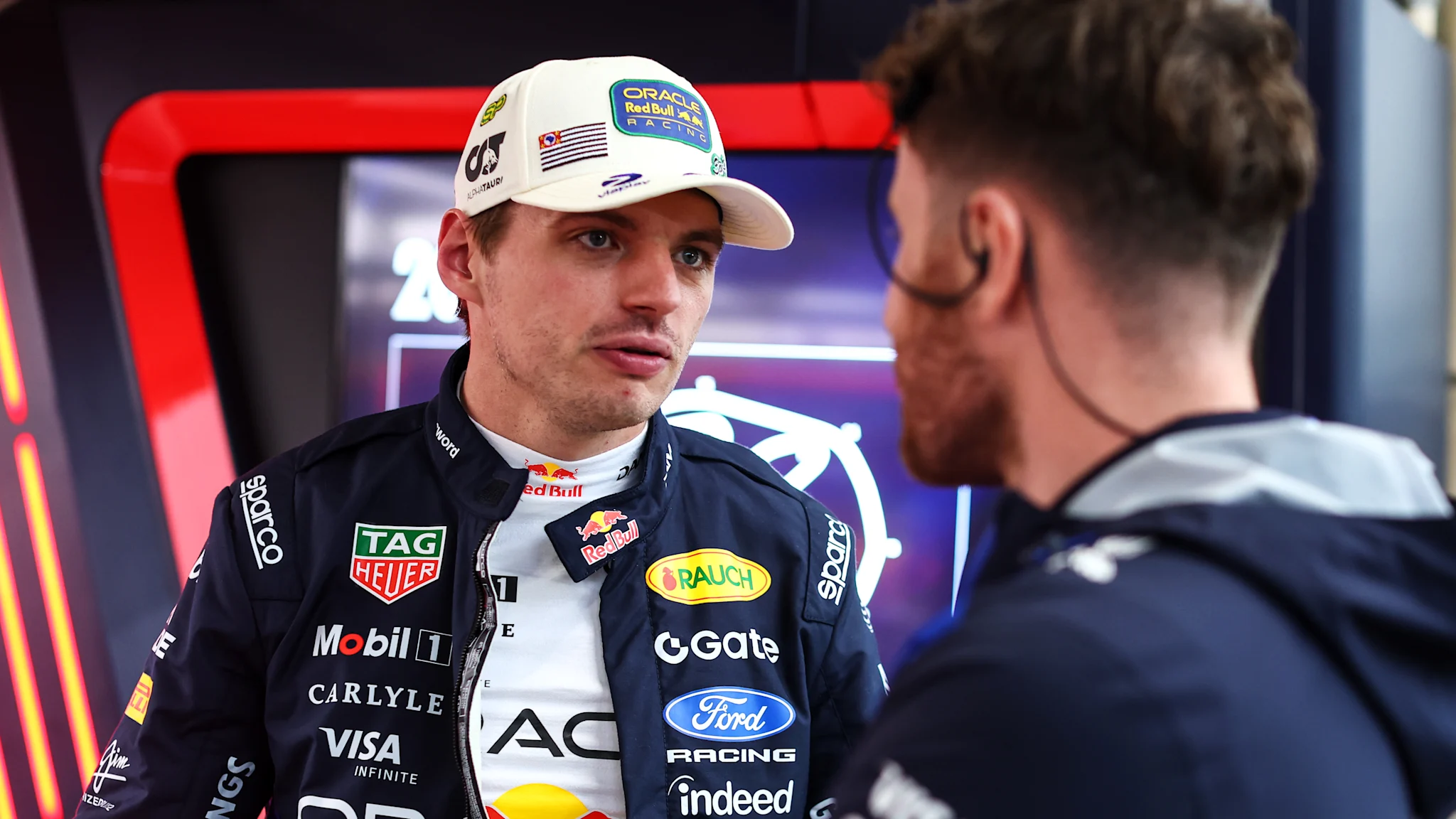
Verstappen qualifies 16th after Red Bull engine change in São Paulo
NXTbets Pro | Published On: November 7, 2026
Verstappen penalty
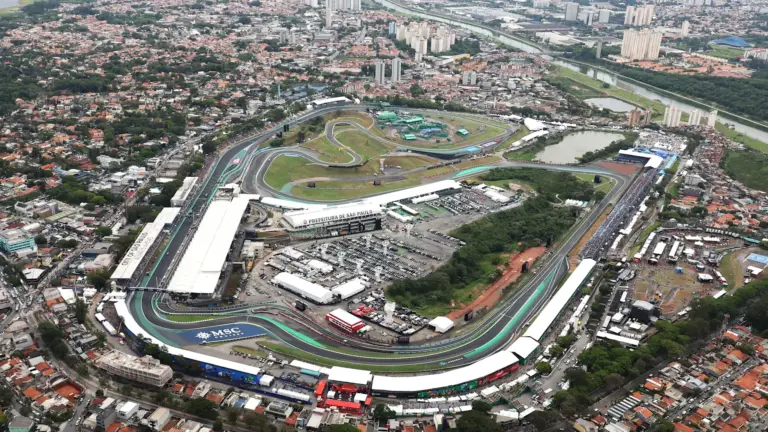
Max Verstappen went into the Brazilian Grand Prix with a fresh engine package and a steep grid hit, and Red Bull accepted the penalty before the action at Interlagos picked up. The team fitted a new power unit, then served a 30-place engine penalty after Verstappen exceeded his season allocation of internal combustion engines, turbochargers and exhausts. Red Bull also put a fifth internal combustion engine, turbocharger and exhaust in Verstappen’s car, which sent him to the back of the grid before the race weekend could settle into its usual rhythm. That change framed everything that followed. Verstappen arrived in Brazil after a strong stretch that included three wins in the previous four races, and he came in second in the drivers’ standings. Even with that form behind him, the engine change left him chasing the rest of the field from the start. The move also changed how Red Bull approached the weekend. Once the team knew he would start from the back, Verstappen said it took a low-risk approach and treated the penalty as a chance to protect the car and keep the weekend alive. He also said São Paulo might be the best place to absorb the hit because the team could still push forward from there. That framing mattered before a wheel had turned in anger, because the penalty was not a small tweak to strategy. It was a major reset that forced Red Bull to build the rest of the weekend around recovery instead of track position. Verstappen did not hide from that reality. He made clear the goal was to move forward in Sunday’s race and, in his words, “have a bit of fun out there.”
Verstappen practice
The engine change did not slow Verstappen in final practice. He topped the session by 0.025 seconds over Kimi Antonelli, a clear sign that the new power unit did not stop him from finding speed when the track opened up. That result came after a rougher opening on Friday, when Verstappen had been third in the second practice session and reported engine, clutch and steering issues over the radio. The contrast between the two sessions showed how quickly Red Bull had to manage the weekend. On Friday, the issues pointed to a car that was not fully settled. By the end of final practice, Verstappen had answered with the fastest lap on the sheet. That swing did not erase the larger challenge of the penalty, but it did show that Red Bull had enough pace to work with even after the power unit change. The team’s low-risk mindset fit that picture. With Verstappen already committed to starting from the back, the priority was to keep the car in one piece and avoid unnecessary problems. The final practice result gave Red Bull a useful platform. It suggested the car still had one-lap speed and could be used to fight back if the conditions allowed it. It also offered a response to the earlier mechanical concerns from Friday. Verstappen’s radio complaints in second practice had raised questions about how stable the car would be through the rest of the weekend. Final practice answered some of them. He was quickest, Antonelli was behind him and the garage had proof that the package could still deliver pace even with the penalty hanging over the team.
Verstappen qualifying
Verstappen’s qualifying session reflected the limits of the situation. He qualified 16th in Saturday’s rain-delayed session and only ran in Q1, which kept his focus on damage control rather than a late push for a better spot. The starting position fit the engine penalty and the plan Red Bull had already accepted. With the car set to go from the back of the grid, the result in qualifying mattered less as a chance to recover grid spots than as another sign of how the weekend had been reshaped. Verstappen had already said the team took a low-risk approach once it became clear he would start from the back. That approach stayed consistent through qualifying. He also said São Paulo might be the best place to take the penalty, a view that matched the idea that the team could still move forward in the race even after surrendering track position. Verstappen’s comments pointed to the same target for Sunday. He wanted to climb through the field and give himself a chance to race rather than spend the weekend trapped by the penalty. His background form gave that hope some weight. He had won three of the previous four races, including the Mexico City Grand Prix, and arrived in Brazil with momentum despite the setback. The qualifying result did not change the scale of the task in front of him, but it did set the stage for the race. From 16th on the grid, after a session affected by rain and a weekend built around the engine change, Verstappen had one clear aim left, to keep moving forward and make the most of the speed Red Bull had shown in practice.