




Monza Faces Energy Clampdown in 2026 Italian Grand Prix
NXTbets Pro | Published On: September 3, 2026
Monza energy rules
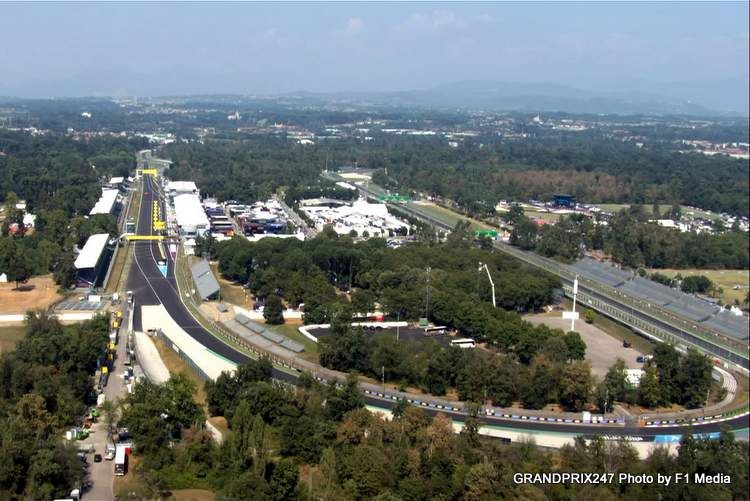
Formula 1 heads to Monza for the 2026 Italian Grand Prix with the new energy-management rules set to change the shape of the race. The FIA has cut the energy-harvesting limit to 4MJ per lap, a move aimed at reducing “super clipping” and lift-and-coast. That hits a circuit built on speed and long runs of full throttle. Monza’s layout is high-speed and energy-poor, and its limited braking zones make electrical energy recovery difficult. Teams will have to treat energy management, power deployment, braking stability, traction and qualifying preparation laps as key parts of the weekend, not side issues. Low-drag aerodynamics will matter on the long straights and the slow chicanes, and slipstreaming should play a major role in how the field sorts itself out. The old Monza formula, where raw pace and a strong tow could dominate, now has to work inside a tighter energy window.
Monza straight-line speed
Lewis Hamilton said the cars will likely be 20-30 km/h slower at the end of the straights, and he said the familiar engine scream into the braking zone will be missing. Arvid Lindblad gave the same sense of a circuit changed by the new rules. He said Monza will feel unlike Monza under the 2026 regulations and said the speed traps will not approach 350 kph. Lindblad also warned that the larger gap between push laps and cool laps could create safety issues in practice and qualifying, especially in traffic. That concern fits a track where drivers already fight for clean air and a strong tow. Mike Krack expects slipstreaming to become critical at Monza and predicted a record amount of passing and repassing. The circuit is expected to feature four Straight Mode zones, which should make energy use and deployment even more central to lap time. DRS and slipstream trains could also cut into Monza’s usual overtaking advantage. That leaves drivers with a narrow balance to strike. They need enough energy to attack the straights, but they also need to arrive at the braking zones with the stability to keep the car under control.
Monza strategy calls
Some drivers think the weekend may be less severe than feared. Kimi Antonelli and Esteban Ocon both said the challenge might not be as harsh as many expected. Franco Colapinto and Lindblad gave a bleaker view. They described Monza as tricky and slow and said it could be “sad.” Pirelli has selected its softest tire compounds for the race, which adds another layer to the weekend because teams must balance grip against wear. Williams said left-side tire wear should be the main limitation and said a one-stop strategy is likely. Williams also estimated a 40% chance of a Safety Car and a 30% chance of a Virtual Safety Car. That points to a race where timing matters as much as speed. A stop window, a caution or a change in track position can reshape the order quickly at a circuit that already asks drivers to manage energy, aero efficiency and tire life at the same time. Monza still promises speed, but the new rules have made it a different kind of test.