



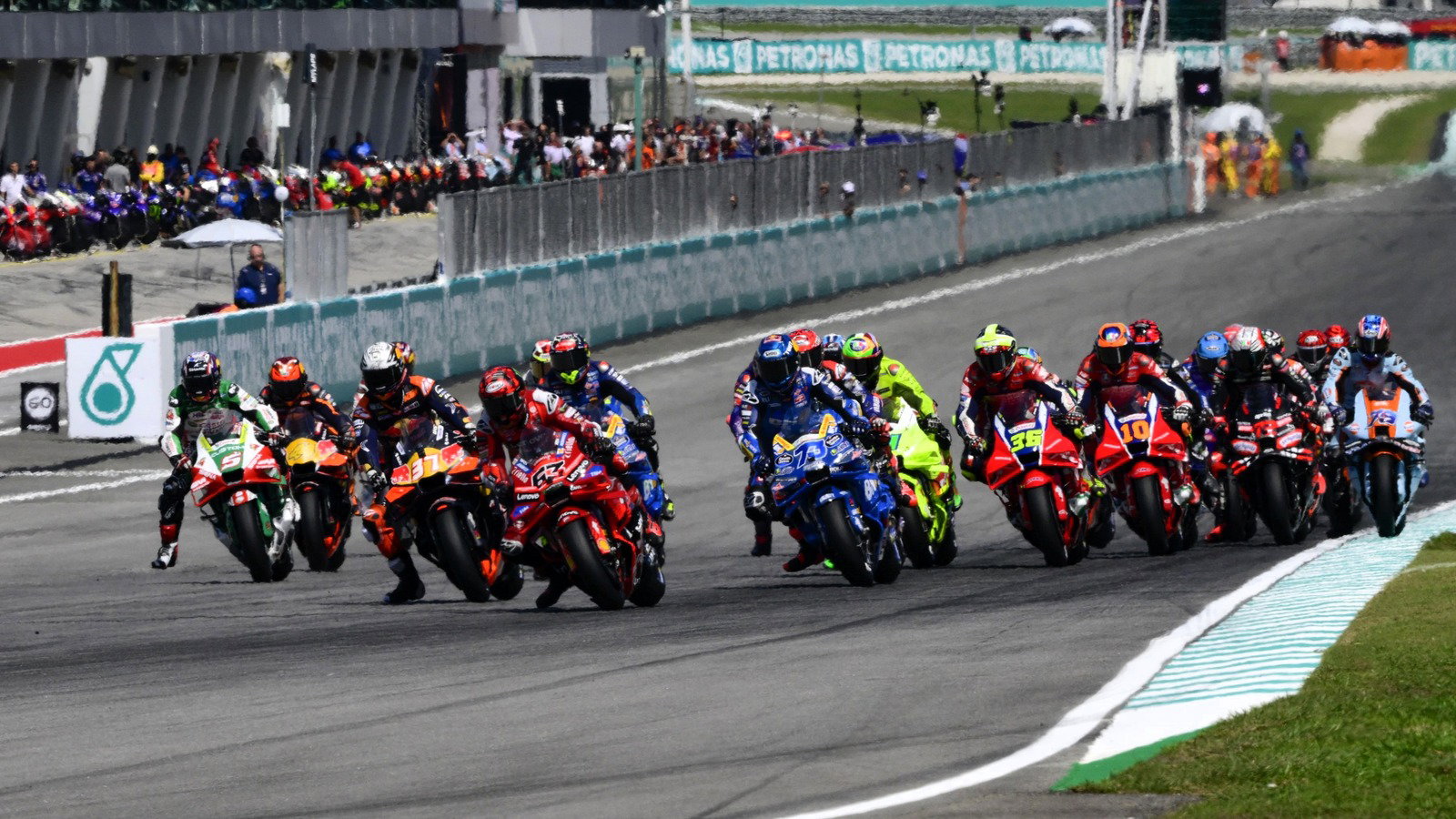
MotoGP keeps three-spec rear tyre plan at Sepang
NXTbets Pro | Published On: October 29, 2026
Sepang tyre allocation
Michelin kept a three-spec rear tyre allocation in place for MotoGP at Sepang, even though the resurfacing that prompted the plan never happened before the Malaysian Grand Prix. The circuit was supposed to be resurfaced, so Michelin brought an extra third rear tyre specification for the venue. The new medium rear tyre stayed in the lineup after the work was not completed, leaving riders with three rear tyre choices instead of the usual two-spec setup. That gave the field a last year’s soft tyre, a new symmetric medium tyre and a hard tyre built for very high temperatures or heavy wear.
The allocation gave Sepang one of its most unusual tyre menus of the season. Riders kept access to the full spread of rear options, with the soft tyre available for both the Sprint and the Grand Prix. The medium tyre brought a different construction from the other two choices. It was the only symmetric rear tyre in the group. The soft and hard tyres both carried a reinforced right shoulder, while the new medium did not. That split made the package more varied than a standard Sepang weekend and gave riders three distinct paths to consider over race distance and short-run pace.
The broad range also changed the way the field could approach Sepang’s heat and surface demands. The soft tyre gave riders the same option they had last year, while the hard tyre covered the top end of temperature and wear. The new medium filled the gap between them and added another variable for teams trying to balance pace against durability. Michelin’s decision kept the extra specification in play even after the original reason for it had disappeared. That left Sepang as an outlier, with three rear tyre options still on offer and a setup built around a plan that no longer matched the state of the track.
Michelin medium tyre
Piero Taramasso said the soft tyre should deliver the most performance, but he also cast the new medium rear tyre as a possible surprise because of its versatility. Taramasso’s comments pointed to why the company saw value in leaving the medium there. The soft tyre sits at one end of the range, the hard tyre sits at the other and the medium gives riders another tool if the race develops in a way that rewards flexibility over outright grip.
That medium tyre also took on a new role in the allocation. The 2025 medium tyre became this year’s hard rear tyre option, which changed the shape of the Sepang menu without removing any of the choices riders had been given. The hard tyre was intended for very high temperatures or heavy wear, so it occupied the most demanding slot in the range. That made the medium the most unusual piece of Michelin’s three-tyre package. The mix gave teams a contrast in construction as well as compound, and it left the medium as a flexible option.
Taramasso’s assessment framed the choice in practical terms. The soft tyre should provide the most performance. The hard tyre should absorb the toughest conditions. The medium sits between those poles and can play multiple roles depending on how a rider and team want to approach Sepang. That versatility is what makes it a possible surprise. It gives the field a tyre that does not fit neatly into one box, and that can matter when teams are trying to judge pace, consistency and wear across a weekend with Sprint and Grand Prix demands.
Track wear concerns
Taramasso also pointed to the surface as a factor that could shape tyre behavior at Sepang. He said Formula 1’s milling of the main straight could increase tyre wear and consumption. He also said surface damage at Turns 4 and 12 could add to the strain on the tyres. In his view, the straight had been milled and Turns 4 and 12 were slightly damaged. Those conditions left the track with more edge than a clean, newly finished surface, and that could affect how the tyres hold up over a run.
That is where Michelin’s three-spec decision gains more weight. Sepang was already an unusual venue because the resurfacing had been planned and then left unfinished. With the work not completed, the circuit still carried the kind of surface concerns that led Michelin to prepare an extra rear option in the first place.
The milling of the straight and the damaged areas at Turns 4 and 12 gave Taramasso reason to expect more consumption from the tyres than a smooth track would create. That does not change the allocation, which remains the same for MotoGP at Sepang. It does explain why Michelin left the extra medium tyre in place. The track still carries enough uncertainty to justify a wider spread of choices, and the three rear tyre options give riders the room to respond if the surface asks more from them than a standard weekend would.